Abu Dhabi’s MGX envisions $10 billion in annual spending on AI
After plowing billions of dollars into Anthropic, OpenAI and xAI, Abu Dhabi’s MGX fund is rapidly emerging as one of the world’s most active investors in artificial intelligence.
The emirate-owned vehicle, barely two years old, is now prepared to deploy as much as $10 billion a year to reach dominant positions in the global AI industry even while the market is full of uncertainty, MGX Chief Investment Officer Ali Osman tells Bloomberg. “We are in the business of the not-obvious,” he said.
The fund is targeting more than $100 billion in assets under management, positioning MGX as a central pillar of the UAE’s push to convert its oil wealth into long-term technological influence.
MGX moved into OpenAI in 2024, participating in a major funding round and later joining with the ChatGPT maker on its multibillion-dollar Stargate AI infrastructure venture.
Last month, MGX joined a massive fundraising for Elon Musk’s xAI, alongside investors including Nvidia and Cisco. Last week, the fund emerged as a co-lead investor in Anthropic’s latest multibillion-dollar financing round, completing a rare trifecta by backing the three rivals.
The Daily Circuit: MGX’s $10B AI bet + PIF gaming shuffle
In today’s Daily Circuit, we’re reporting on Saudi Arabia’s Public Investment Fund shuffling its gaming stakes, AD Ports accelerating its acquisition strategy, Mubadala boosting its Bitcoin holdings and Egypt preparing for a new raft of IPOs. But first, MGX’s $10 billion AI bet.
After plowing billions of dollars into Anthropic, OpenAI and xAI, Abu Dhabi’s MGX fund is rapidly emerging as one of the world’s most active investors in artificial intelligence.
The emirate-owned vehicle, barely two years old, is now prepared to deploy as much as $10 billion a year to reach dominant positions in the global AI industry even while the market is full of uncertainty, MGX Chief Investment Officer Ali Osman tells Bloomberg. “We are in the business of the not-obvious,” he said.
The fund is targeting more than $100 billion in assets under management, positioning MGX as a central pillar of the UAE’s push to convert its oil wealth into long-term technological influence.
MGX moved into OpenAI in 2024, participating in a major funding round and later joining with the ChatGPT maker on its multibillion-dollar Stargate AI infrastructure venture.
Last month, MGX joined a massive fundraising for Elon Musk’s xAI, alongside investors including Nvidia and Cisco. Last week, the fund emerged as a co-lead investor in Anthropic’s latest multibillion-dollar financing round, completing a rare trifecta by backing the three rivals.
Editor’s Note: Have thoughts or feedback? Hit reply or drop us a note at [email protected].
📰 Developing Stories
FINAL OFFER
Warner Bros. Discovery has tentatively opened a crack in the door for a Gulf-backed buyout by David Ellison’s Paramount, asking for a “best and final proposal” for the entertainment and media Goliath, while continuing to pursue its $82.7 billion deal with Netflix. Paramount, which submitted an amended offer last week, said on Tuesday that it welcomed the chance to have “good faith and constructive discussions.” Paramount has aggressively pursued WBD, launching multiple successive offers backed by various configurations of Gulf sovereign wealth funds. In December the newly-formed Abu Dhabi state investment vehicle L’imad Holding Co. joined the fray by backing a $108 billion hostile offer.
EXPO EXPOSED
A data breach that exposed identity documents of high-level attendees at Abu Dhabi Finance Week 2025 has been secured and was limited in scope, according to organizers. Scans of more than 700 documents, including passports and state ID cards, were discovered to be accessible online via an unprotected cloud storage server, uncovered by a freelance security expert, the Financial Times reports. Those exposed included former White House communications director and investor Anthony Scaramucci, billionaire hedge fund manager Alan Howard and former British prime minister Lord David Cameron. Organizers blamed a vulnerability at a third-party vendor. “The environment was secured immediately upon identification, and our initial review indicates that access activity was limited to the researcher that identified the issue,” an unnamed representative of ADFW told The National.
💲 Sovereign Circuit
Mubadala: The Abu Dhabi sovereign wealth fund boosted its stake in BlackRock’s iShares Bitcoin Trust to 12.7 million shares worth $630.6 million in Q4 2025, a 46% increase in its holdings. The cryptocurrency has fallen more than 40% from its all-time peak in October.
L’imad Holding: AD Ports Group has grown its global network to 36 ports and terminals as the Abu Dhabi-backed operator accelerates international acquisitions and logistics investments.
Public Investment Fund: The Saudi sovereign wealth fund transferred its roughly $3 billion, 11-million-share stake in gaming studio Take-Two Interactive to subsidiary Savvy Games Group ahead of the launch of Grand Theft Auto VI.
The Sovereign Fund of Egypt: Egypt is preparing to transfer stakes in about 60 state-owned companies to its sovereign wealth fund ahead of potential EGX listings, part of Cairo’s broader push to attract private investment and ease fiscal pressure.
Qatar Investment Authority: Hamad Al-Khater, Qatar’s Airways’ new CEO, told Bloomberg he intends to prioritize relations with Airbus, which has demonstrated that “they’ll be able to deliver” on their promises.
↪↩ Closing Circuit
🧪 Fertilizer Pivot: UAE fertilizer producer Fertiglobe is targeting increased sales to Europe as the EU tightens curbs on Russian supplies, CEO Ahed El-Hoshy told Bloomberg.
📦 Logistics Partners: Saudi Ports Authority and MEDLOG, the logistics arm of global container shipper MSC, inaugurated a $40 million integrated logistics center at King Abdulaziz Port in Dammam.
💻 AI Risks: Palo Alto Networks is is acquiring Israeli cybersecurity startup Koi for an estimated $400 million, targeting emerging risks from autonomous AI agents on corporate systems, Calcalist reports.
🗣 Circuit Chatter
🔴 Red Planet: The UAE Space Agency has extended the Emirates Mars Mission through 2028, allowing its Hope Probe to continue scientific observations of the planet’s atmosphere beyond its original timeline.
🚢Treading Water: Iran and Russia plan to conduct joint navy drills in the Gulf of Oman and northern Indian Ocean tomorrow, raising further security concerns after Iran temporarily closed the Strait of Hormuz for several hours on Tuesday.
🛢️ Friendly Handover: Iraq’s cabinet approved an amicable settlement with Lukoil over the transfer of operations of one of the world’s largest oilfields to the state-run Basra Oil Company, following U.S. sanctions on the Russian energy giant.
🌍 Power Circuit
Sheikh Mansour bin Zayed, UAE Vice President, Deputy Prime Minister and Chairman of the Presidential Court, visited the Ministry of Human Resources and Emiratisation on Tuesday to review strategic plans for the future of the nation’s labour system.
Sheikh Mohammed bin Abdulrahman al-Thani, Qatar’s Prime Minister, arrived in Venezuela, where he was greeted by Foreign Minister Yvan Gil on Tuesday.
Lt. Gen. Sheikh Saif bin Zayed, UAE Deputy Prime Minister and Minister of Interior, honored the winners of the seventh edition of the Minister of Interior’s Excellence Award during a ceremony held at the Emirates Palace in Abu Dhabi on Tuesday.
➿ On the Circuit
Michael Doersam, CFO of Emirates, said he plans to step down in June after a decade in the role. The Dubai-based airline said it will announce a successor “in due course.”
Bandar Alkhorayef, Saudi Arabia’s Minister of Industry and Mineral Resources and Chairman of the Saudi Authority for Industrial Cities and Technology Zones, launched a package of capital projects on Monday valued at $810 million.
Damien Drapwas appointed Chief Operating Officer, Haresh Bajaj as Chief Product Officer and Denis Agiev as Chief Technology Officer of Prypco, a UAE-based PropTech platform.
Morgan Parker, Vice Chairman of the management committee at Qiddiya Investment Co., spoke to Arab News about what drives Saudi Arabia’s huge entertainment project. “At its heart, Qiddiya City is about play,” Parker said. “Imagine a whole city dedicated to facilitating those experiences,” Parker said. “That’s what we’re building.”
🎶 Culture Circuit
🧑🎨 Fixer-Upper: The Triumph of David, an 18-meter-long painted leather artwork depicting a royal procession and inspired by the biblical story of David and Goliath, is now on display at Louvre Abu Dhabi, following a painstaking two-year restoration project. The origins of the 17th-century artwork, which was last displayed on the walls of a Parisian hotel, are uncertain, but it is stylistically linked to artists associated with the Dutch master Rembrandt, The National reports.
📷 Photo of the Day
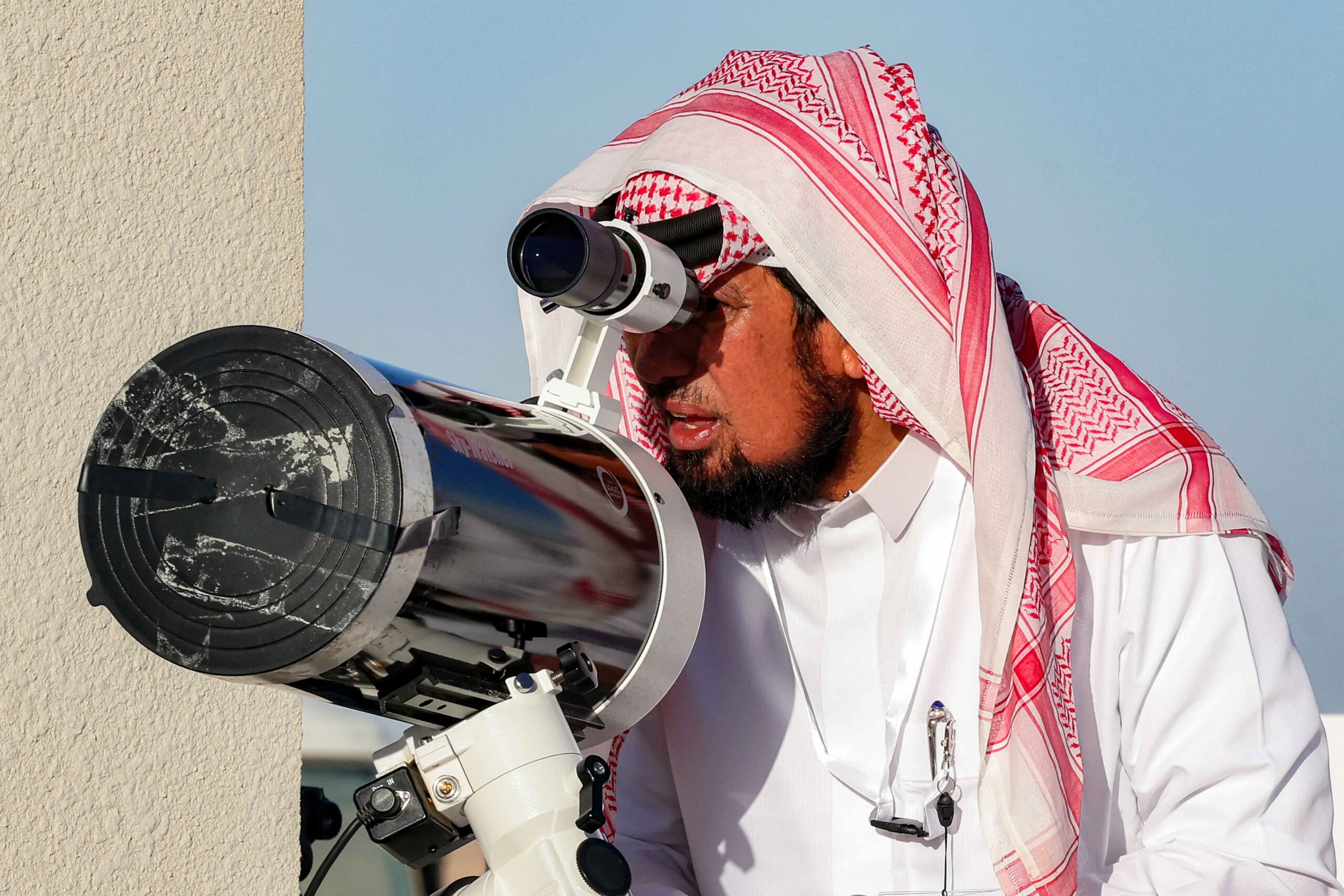
A Saudi observer uses a telescope to search for the crescent moon, to mark the start date of the Muslim holy month of Ramadan, at the Majmaah University Astronomical Observatory north of Riyadh, on Tuesday. (Fayez Nureldine / AFP via Getty Images)
📅 Circuit Calendar
March 25-27, Miami. FII Miami 2026. A summit on disruptive technology and investment trends hosted by the Public Investment Fund’s Future Investment Initiative Institute. Faena Hotel, Miami Beach.
March 31-April 2, Dubai. Arab Media Summit. The annual gathering brings together Arab media personnel, influencers and organizations. DWTC.
April 6-13, Dubai. Quantum Innovation Summit. Part of Global Quantum Week, focusing on quantum technology and applications. Grand Hyatt.
April 6-7, Riyadh. Real Estate Supply Chain Forum. Transforming the real estate supply chain landscape. Mandarin Oriental.
April 7-9, Dubai. Middle East Energy. Discover what’s new in energy. Dubai World Trade Centre.
April 7-9, Abu Dhabi. Future Health. Bringing together global leaders in government, science, technology and investment. ADNEC.
April 11-20, Abu Dhabi. Abu Dhabi International Book Fair. Fostering collaboration between regional publishing sectors and creative industries. ADNEC.
April 20-22, Riyadh. Future Aviation Forum. Exploring the future of air transport, sustainability, advanced air mobility, and artificial intelligence. King Abdulaziz International Conference Center.
April 13-16, Riyadh. LEAP 2026. Global tech event covering AI, 5G and startups. RECC Malham.
April 21-23, Dubai. UITP Summit 2026. A high-level event for the public transport sector looking at the future of urban mobility. Dubai World Trade Centre
April 24-26, Abu Dhabi. Middle East Film & Comic Con. Featuring some of the world’s biggest brands in film, TV, sci-fi, animation, manga, comics and collectibles.
April 29-30, Dubai. TOKEN2049 Dubai. A global gathering for the crypto ecosystem. Madinat Jumeirah.
The Daily Circuit: Stocks jump in Cairo + Aramco LNG deal
In today’s Daily Circuit, we’re reporting on Saudi Aramco’s 20-year supply deal with U.S. gas producer Caturus, Mubadala backing Dubai property app Stake, Qatar co-leading a $350 million fundraising round for building a commercial space station and developing advanced space suits, and plans for a $700 million undersea data cable linking Turkey, Iraq and the UAE. But first, stocks are jumping in Cairo.
Egyptian stocks are outperforming most emerging markets as investors warm to signs of economic stabilization following months of reform and fresh capital from the Gulf.
The turnaround has been fueled in part by $35 billion in Abu Dhabi sovereign fund investment at Ras El Hekma that helped ease Egypt’s foreign-currency crunch and restore market confidence, Bloomberg reports.
IMF support, including an expanded multibillion-dollar program tied to currency flexibility and fiscal reforms, has bolstered the recovery and drawn renewed foreign interest in Egyptian assets.
Saudi Arabia has reinforced Egypt’s recovery through a $10 billion central bank deposit and plans by the Public Investment Fund to channel about $5 billion into Egyptian companies including eFinance and Misr Fertilizers.
Egypt’s benchmark EGX30 index is up 27% in dollar terms this year, building on a previous 50% gain in 2025. The government devalued the currency by 40% two years ago and adopted a free-floating exchange rate system, a move that helped secure the IMF bailout
“Current valuations are still cheap,” Allen Sandeep, director of equities at ACT Financial in Cairo, told the news agency. “The EGX is right now on a positive re-rating path.”
Editor’s Note: Have thoughts or feedback? Hit reply or drop us a note at [email protected].
📰 Developing Stories
MOON DANCE
The Qatar Investment Authority has co-led a $350 million fundraising round for a company manufacturing space suits for NASA’s Artemis III moon mission and building the world’s first commercial space station. Texas-based Axiom Space, which is valued at more than $2.5 billion, received backing from the QIA, along with Type One Ventures, Hungary-based IT company 4iG and Florida-based 1789 Capital, which counts Donald Trump Jr. as a partner. The company will use the funds to enhance its spacesuits and build the first two modules of its space station, which is expected to be the future successor of the International Space Station. It comes amid global rivalry over space technology and as Elon Musk’s SpaceX plans for a potential IPO this year.
DATA CORRIDOR
An Iraqi-Emirati consortium is planning a $700 million high-speed cable linking the UAE to Turkey through Iraq, aiming to ease pressure on crowded east-west data routes. The project, called WorldLink, would run underwater from Fujairah in the UAE to Iraq’s Faw Peninsula, then continue overland to the Turkish border. Backers say the network will be built in stages over about five years to serve big cloud and AI companies while offering a faster alternative to routes that pass through the Suez Canal, Reuters reports. The plan underscores intensifying Gulf competition to become a regional hub for digital connectivity and data-center investment.
💲 Sovereign Circuit
Mubadala: The Abu Dhabi fund backed a $31 million fundraising round by Dubai-based fractional property investment app Stake, which was led by Emirates NBD. Other investors included Saudi Aramco’s venture capital arm and Middle East Venture Partners.
Mubadala: Mubadala Bio, a subsidiary of Mubadala, has completed the full acquisition of Al Ittihad Drug Store and Global Medical Supply Chain following its initial 80% stake purchase at the end of 2024.
Mubadala Capital: The sovereign wealth fund’s investment is taking on more complex deals following its $6.2 billion Clear Channel Outdoor buyout, as it seeks higher returns by targeting niche opportunities that larger rivals often avoid, Bloomberg reports.
Mubadala: The co-founders of Turkish grocery and food delivery platform Getir are seeking $700 million in damages from the Abu Dhabi fund, alleging in a London court that it failed to transfer key assets promised under a restructuring agreement. It comes after Mubadala agreed to sell Getir’s delivery operation in Turkey to Uber for $335 million.
L’imad Holding: Modon Holding has awarded $316 million contract to Egypt’s Orascom Construction to deliver a mixed-use project within the $35 billion Ras El Hekma development.
L’imad Holding: EMSTEEL Group and Oldendorff Carriers have signed a five-year $162 million freight agreement to transport iron ore pellets to the UAE.
Dubai Holding: Dubai Holding and U.K.-based Nord Anglia Education have partnered to develop and operate premium K-12 schools across Dubai.
Public Investment Fund: Flyadeal, which is indirectly owned by the PIF, plans to more than double its fleet from 45 to over 100 aircraft by 2030, adding wide-body Airbus A330 jets alongside its Airbus A320 fleet to operate flights to destinations across Southeast Asia.
↪↩ Closing Circuit
🔥 LNG Lock-In:U.S. gas producer Caturus signed a 20-year deal to supply Saudi Aramco with 1 million tons per year of LNG from its planned Louisiana export project, underscoring long-term global demand for American gas.
💰 Digging Funds: Kuwait Energy Basra Company, an oil and gas company operating in Iraq, secured a $346 million reserve-based lending facility from Arab Energy Fund to expand Iraq’s Block 9 oil field
💵 Property Play: EIGHTClouds, a Dubai-based alternative investment firm, has launched an open-ended real estate fund, aiming to raise over $300 million.
🚧 Belt Billions: China’s Belt and Road Initiative reached a record $213.5 billion in 2025, with the Middle East accounting for about $39.4 billion, driven by construction and energy projects.
🗣 Circuit Chatter
🏗️ Property Push: Gulf real estate markets are expected to keep expanding into the first half of 2026, led by Saudi Arabia, the UAE and Kuwait, according to the Kuwait-based Markaz research organization.
✈️ Luxury Flying: Dubai-based premium leisure airline Beond signed a letter of intent with Bahrain’s civil aviation regulator to launch operations in the kingdom.
🛃 Visa Clampdown: Riyadh is tightening scrutiny of business visas, disrupting the long-standing “fly-in fly-out” model used by UAE-based professionals to work in Saudi Arabia without relocating.
🛑 One Stop: The UAE and Bahrain have launched a one-point travel pilot enabling preclearance at departure through Zayed International Airport and Bahrain International Airport, ahead of a planned Unified GCC Tourist Visa.
🛢️ Pipe Dream: Algeria said that construction of the $13 billion Trans-Saharan Gas Pipeline, linking Nigeria, Niger and Algeria, will begin after Ramadan.
🌍 Power Circuit
UAE President Sheikh Mohamed bin Zayedheld a phone call on Monday with Kyriakos Mitsotakis, Prime Minister of Greece.
Sheikh Tahnoon bin Zayed, Deputy Ruler of Abu Dhabi and UAE National Security Adviser, met with former British Prime Minister Tony Blair on Monday.
Lt. Gen. Sheikh Saif bin Zayed, UAE Deputy Prime Minister and Minister of Interior, met with Aziz Tashbulatov, Minister of Interior of Uzbekistan.
➿ On the Circuit
Lana Nusseibeh, UAE Minister of State, met withMark Rutte, Secretary-General of NATO, on the sidelines of the Munich Security Conference.
Eileen Jennings-Brownwas appointed as Chief Technology Officer of Juvenescence, a clinical-stage AI-enabled biotech company developing novel medicines to extend healthy lifespan, which has new research offices in Abu Dhabi’s Masdar City.
Saad Sherida Al-Kaabi, Qatar’s Minister of Energy and President and CEO of QatarEnergy hosted a farewell reception in honor of Abdulrahman Ahmad Al-Shaibi, QatarEnergy’s Executive Vice President for Finance and Planning, who is retiring.
🎶 Culture Circuit
📷 Decisive Moment: The remarkable career of Ramesh Shukla, the UAE’s first royal photographer, is being remembered after his death on Sunday at the age of 87. Shukla, who arrived by boat from Mumbai in 1965, saw his life change forever after a chance meeting with the UAE’s Founding Father Sheikh Zayed at the Sharjah Camel Festival, where he snapped his photograph. The budding photographer gifted the resulting image to the late UAE President and from that day on remained by his side capturing some of the key moments in the history of the emirates, The National reports.
📷 Photo of the Day
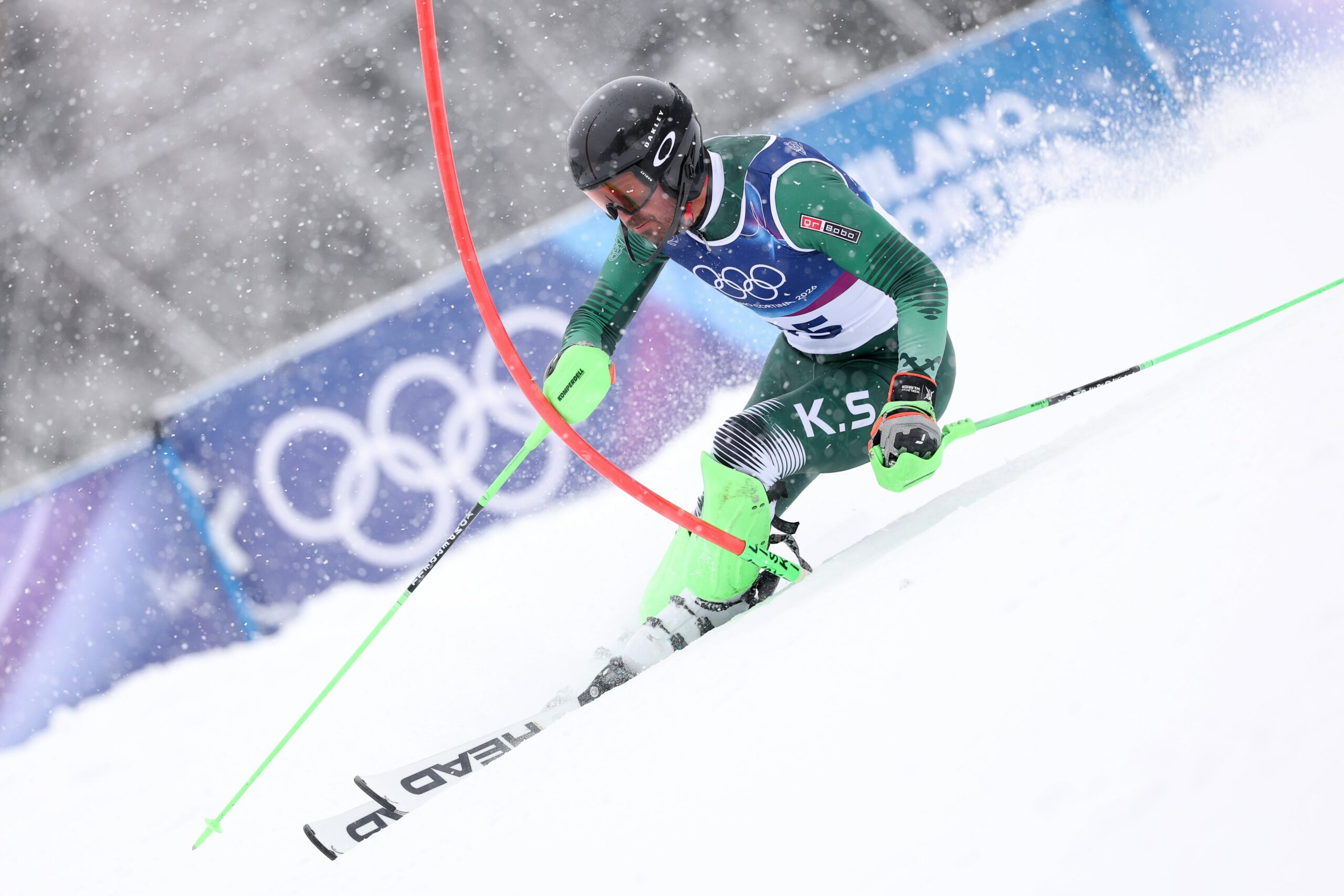
Fayik Abdi of Team Saudi Arabia competes during the Men’s Slalom Run at the Milano Cortina 2026 Winter Olympics in Bormio, Italy, on Monday. (Photo by Dustin Satloff/Getty Images)
📅 Circuit Calendar
March 25-27, Miami. FII Miami 2026. A summit on disruptive technology and investment trends hosted by the Public Investment Fund’s Future Investment Initiative Institute. Faena Hotel, Miami Beach.
March 31-April 2, Dubai. Arab Media Summit. The annual gathering brings together Arab media personnel, influencers and organizations. DWTC.
April 6-13, Dubai. Quantum Innovation Summit. Part of Global Quantum Week, focusing on quantum technology and applications. Grand Hyatt.
April 6-7, Riyadh. Real Estate Supply Chain Forum. Transforming the real estate supply chain landscape. Mandarin Oriental.
April 7-9, Dubai. Middle East Energy. Discover what’s new in energy. Dubai World Trade Centre.
April 7-9, Abu Dhabi. Future Health. Bringing together global leaders in government, science, technology and investment. ADNEC.
April 11-20, Abu Dhabi. Abu Dhabi International Book Fair. Fostering collaboration between regional publishing sectors and creative industries. ADNEC.
April 20-22, Riyadh. Future Aviation Forum. Exploring the future of air transport, sustainability, advanced air mobility, and artificial intelligence. King Abdulaziz International Conference Center.
April 13-16, Riyadh. LEAP 2026. Global tech event covering AI, 5G and startups. RECC Malham.
April 21-23, Dubai. UITP Summit 2026. A high-level event for the public transport sector looking at the future of urban mobility. Dubai World Trade Centre
April 24-26, Abu Dhabi. Middle East Film & Comic Con. Featuring some of the world’s biggest brands in film, TV, sci-fi, animation, manga, comics and collectibles.
April 29-30, Dubai. TOKEN2049 Dubai. A global gathering for the crypto ecosystem. Madinat Jumeirah.
The Daily Circuit: Abu Dhabi’s new finance giant + SISCO buys Transcorp
In today’s Daily Circuit, we’re reporting on Jeddah-based SISCO’s $61 million acquisition of Dubai’s Transcorp International, Mubadala’s backing for Egypt’s Breadfast in a $50 million fundraising round, the U.K.’s Charles Park Family Office setting up shop in Dubai, and the UAE firing its first homegrown rocket into space. But first, Sheikh Tahnoon’s IHC creates a giant financial services company with global ambitions.
Abu Dhabi’s International Holding Co., the UAE’s largest publicly traded company, said it plans to launch Judan Financial Holding, a new international financial services firm with $237 billion in assets under management.
The new conglomerate will consolidate IHC’s largest finance businesses, including Alpha Dhabi, 2PointZero Group and Sirius International, providing services in banking, insurance, asset management and fintech.
Sheikh Tahnoon bin Zayed, the UAE National Security Adviser, will serve as Judan’s Chairman, as he does at IHC. Investment Minister Mohamed Hassan Alsuwaidi will be CEO, Vice Chairman and Managing Director, according to a government statement.
Creating Judan as an umbrella holding company comes amid a broader restructuring in Abu Dhabi’s investment holdings and reflects IHC’s push to build up its financial services globally. The firm will control more than 20 operating companies and serve over 11 million clients in 13 countries.
Last month, Abu Dhabi’s newest sovereign wealth fund, L’Imad Holding, took control of ADQ, creating an investment firm chaired by Crown Prince Sheikh Khaled bin Mohamed. ADQ, which managed $263 billion before the merger, had been chaired by Sheikh Tahnoon and headed by Alsuwaidi, who now leads asset management firm Lunate.
Editor’s Note: Have thoughts or feedback? Hit reply or drop us a note at [email protected].
📰 Developing Stories
OLD NEW HAND
Saudi Arabia’s tapping veteran banker Fahad Al-Saif as Investment Ministerappears to signal a pragmatic pivot toward deal-making that delivers hard cash, as the kingdom pushes to triple annual foreign direct investment to $100 billion by 2030. The appointment comes as Riyadh scales back costly megaprojects while maintaining pressure to advance Crown Prince Mohammed bin Salman’s economic diversification agenda. Al-Saif orchestrated Saudi Arabia’s $21.5 billion bond issue in 2017 that established the kingdom as one of the most active emerging-market sovereign issuers, and most recently led investment strategy at the $1 trillion Public Investment Fund. He told the American Business Forum in Miami in November that the PIF would shift from a growth phase centered on deploying capital to an “impact” phase aimed at turning investments into productive industries. What that means should become clear in the coming weeks, with the PIF expected to lay out its refreshed plans for the next five years.
SPACE SHOT
The UAE has successfully launched its first homegrown rocket to conduct space research. The tiny projectile, weighing 13 kilograms (29 pounds), blasted off on Friday from a remote island off Abu Dhabi and soared to an altitude of 3 kilometers (1.9 miles) before a parachute opened and the vessel landed in the UAE desert, The National reports. The flight itself was a test of the UAE’s ability to launch a reusable research rocket, which was equipped with an engine, injectors, tanks, control systems and avionics that were designed and built by the government’s Technology Innovation Institute. “This launch is a defining moment for science and engineering in the UAE,” said Najwa Aaraj, the institute’s CEO.
💲 Sovereign Circuit
International Holding Co.: The Abu Dhabi-owned conglomerate, led by Sheikh Tahnoon bin Zayed, said 2025 revenue jumped 29% from the previous year to $30.3 billion, while profit after taxes rose 35% to $9.4 billion.
Mubadala: Blue Owl, a New York-based asset manager whose backers include the Abu Dhabi Mubadala sovereign wealth fund and the Qatar Investment Authority, is seeking new deals tied to rising demand for AI infrastructure and financing, The Information reports.
Mubadala: The fund joined Japan’s SBI Investment Co. and a Saudi billionaire family in backing Egyptian ecommerce startup Breadfast in a $50 million financing round.
Public Investment Fund: Saudi Basic Industries Corp. signed an agreement to supply raw materials to a joint venture between the PIF and Pirelli Tyre.
ADNOC: The six listed companies owned by Abu Dhabi’s national oil company posted a combined $9.7 billion net profit for the 2025 financial year, based on revenues of $51.8 billion.
↪↩ Closing Circuit
💰Strategic Takeover: Jeddah-based SISCO said its portfolio firm Green Dome Investments acquired 100% of Dubai-based cold-chain logistics provider Transcorp International for $61 million.
🛡️ Defense Startup: Anduril, a Silicon Valley defense startup founded by former Palantir employees and backed by Peter Thiel’s Founders Fund, Andreessen Horowitz and 8VC, is seeking to raise funds at a $60 billion valuation, The Information reports.
🚢 Shipping Sale: Hapag-Lloyd, a German cargo shipping company whose backers include Qatar Holding and Saudi Arabia’s Public Investment Fund, is in advanced talks to acquire Israel’s ZIM Integrated Shipping for $3.5 billion, Bloomberg reports.
🗣 Circuit Chatter
📈 Parallel Push: Saudi Arabia is expanding the role of Nomu, the kingdom’s small-cap equity market, as a stepping-stone for companies to access capital before potentially graduating to the main Tadawul exchange, Arab News reports.
💬 Another Try: Warner Bros. Discovery is weighing whether to re-engage in sale talks with Paramount Skydance after receiving a revised offer, Bloomberg reports.
🌐 New Defense: Saudi intelligence has quietly approached rival defense data vendors for Palantir-like tools to hedge against geopolitical risk after U.S. control concerns, Intelligence Online reports.
🤝 New Arrival: Charles Park Family Office, a U.K.-based multi-family office, formed a strategic partnership with financial planning firm AES International to establish a Dubai presence.
🌍 Power Circuit
UAE President Sheikh Mohamed bin Zayed received Emir of Qatar Sheikh Tamim, following his arrival in the UAE on Sunday.
Sheikh Mohamed held a phone call with Turkey’s President Recep Tayyip Erdoğan on Sunday.
U.S. President Donald Trump is expected to attend Saudi Arabia’s Future Investment Initiative conference in Miami in March, marking his second consecutive appearance at the event, Reuters reports.
Prince Faisal bin Farhan, Saudi Arabia’s Minister of Foreign Affairs, participated in a discussion session at the Munich Security Conference on Friday.
Prince Faisalmet with Syrian Foreign Minister Asaad Al-Shaibani and his delegation on the sidelines of the Munich Security Conference on Saturday.
Sheikh Hamdan bin Mohammed bin Rashid, Crown Prince of Dubai and UAE Deputy Prime Minister and Minister of Defense, granted the title of Arab Hope Maker and a cash prize of AED1 million to Fouzia Jbara Mahmoudi from Morocco on Saturday.
Dr. Sultan Al Jaber, UAE Minister of Industry and Advanced Technology and ADNOC Managing Director and Group CEO, and Ahmad Alattar, UAE Ambassador to Germany, hosted a reception on Friday on the sidelines of the Munich Security Conference. The event was attended by UAE figures including Dr. Anwar Gargash, Diplomatic Advisor to the UAE President and Lana Nusseibeh, UAE Minister of State. European dignitaries included Alois, Hereditary Prince of Liechtenstein, and Katherina Reiche, Germany’s Federal Minister of Economic Affairs and Energy.
Jasem AlBudaiwi, Secretary-General of the Gulf Cooperation Council, met on Saturday with the European Union’s Special Representative for the Gulf region Luigi Di Maio, on the sidelines of the Munich Security Conference.
Nawaf Salam, Lebanon’s Prime Minister, told Bloomberg that his government can overcome differences with the International Monetary Fund over a proposed law to let depositors recover trapped funds from the country’s banks.
Sultan Al Neyadi, the astronaut who is UAE’s Minister of State for Youth Affairs, won a silver medal in jiu-jitsu on Friday at the Open Masters Games in Abu Dhabi.
Abdulaziz Mohammed Faraj Al Mullawas appointed as Director General of the UAE Federal Tax Authority by a presidential decree.
🎶 Culture Circuit
✈️ Modern Treasure: Abu Dhabi’s decommissioned airport terminal will be protected from demolition, as one of 40 buildings and sites added to the emirate’s Modern Heritage Register. The old Terminal 1 of Zayed International Airport, which opened in 1982, was designed by French architect Paul Andreu, who was also responsible for Charles De Gaulle Airport in Paris and Terminal 3 at Dubai. Other sites added to the list include the Corniche Hospital, Madinat Zayed Bus Station and the Abu Dhabi Geneva Flower Clock.
📷 Photo of the Day
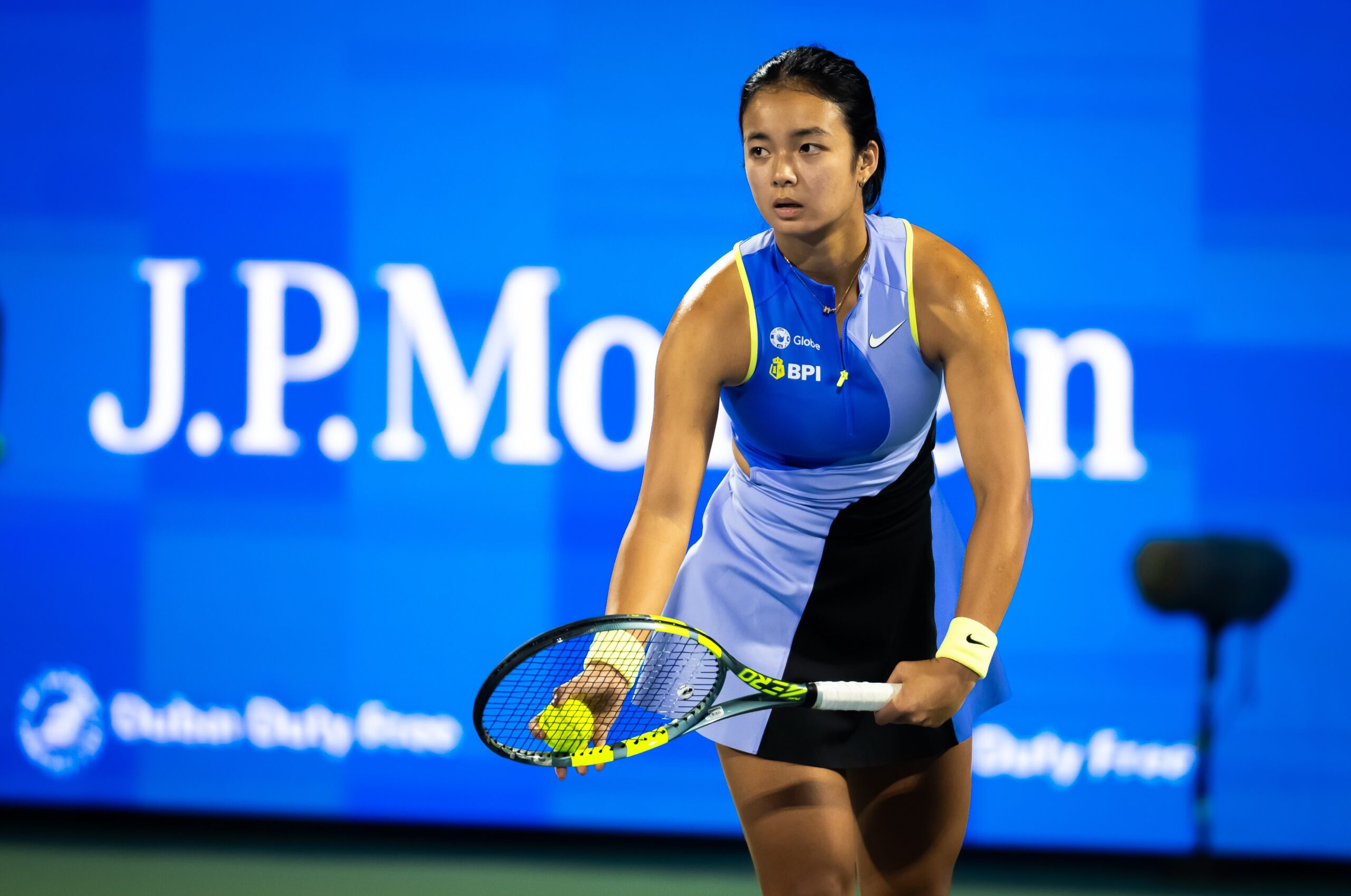
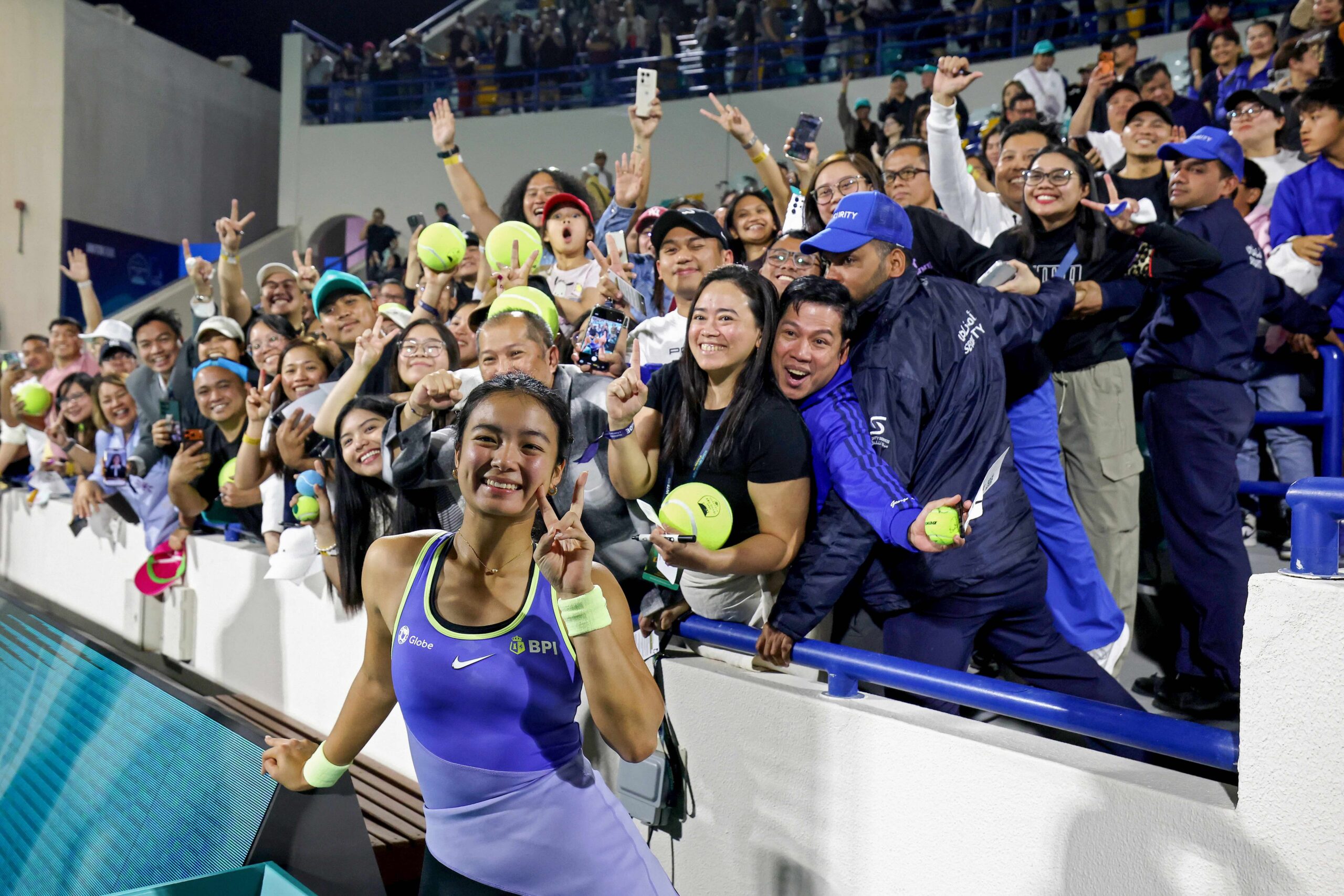
Alexandra Eala of the Philippines in action against Hailey Baptiste of the U.S. in the first round of the Dubai Duty Free Tennis Championships on Sunday. Eala has been drawing crowds to her matches in the UAE, which has a large Filipino population. (Robert Prange/Getty Images)
📅 Circuit Calendar
March 25-27, Miami. FII Miami 2026. A summit on disruptive technology and investment trends hosted by the Public Investment Fund’s Future Investment Initiative Institute. Faena Hotel, Miami Beach.
March 31-April 2, Dubai. Arab Media Summit. The annual gathering brings together Arab media personnel, influencers and organizations. DWTC.
April 6-13, Dubai. Quantum Innovation Summit. Part of Global Quantum Week, focusing on quantum technology and applications. Grand Hyatt.
April 7-9, Dubai. Middle East Energy. Discover what’s new in energy. Dubai World Trade Centre.
April 7-9, Abu Dhabi. Future Health. Bringing together global leaders in government, science, technology and investment. ADNEC.
April 11-20, Abu Dhabi. Abu Dhabi International Book Fair. Fostering collaboration between regional publishing sectors and creative industries. ADNEC.
April 20-22, Riyadh. Future Aviation Forum. Exploring the future of air transport, sustainability, advanced air mobility, and artificial intelligence. King Abdulaziz International Conference Center.
April 13-16, Riyadh. LEAP 2026. Global tech event covering AI, 5G and startups. RECC Malham.
April 21-23, Dubai. UITP Summit 2026. A high-level event for the public transport sector looking at the future of urban mobility. Dubai World Trade Centre
April 24-26, Abu Dhabi. Middle East Film & Comic Con. Featuring some of the world’s biggest brands in film, TV, sci-fi, animation, manga, comics and collectibles.
April 29-30, Dubai. TOKEN2049 Dubai. A global gathering for the crypto ecosystem. Madinat Jumeirah.
The Daily Circuit: Saudi Arabia’s big reshuffle + DP World replaces CEO
In today’s Daily Circuit, we’re reporting on Abu Dhabi tech investor MGX co-leading a $30 billion funding round for AI firm Anthropic, the Qatar Investment Authority backing a company building humanoid robots, DP World replacing CEO Sultan bin Sulayem, and WeRide and Uber extending robotaxi services to downtown Abu Dhabi. But first, shifting power structures in Riyadh.
Saudi Arabia performed a sweeping reshuffle on Thursday evening, replacing more than 40 senior and regional government positions, as the kingdom continues to overhaul its financial priorities in light of falling oil revenues.
Leading the changes was the removal of Investment Minister Khalid Al Falih, one of the most recognizable faces of the Kingdom’s Vision 2030 plan and a former Energy Minister and Chairman of Saudi Aramco.
Al Falih, who has held the role since 2020 and was a regular on the global conference circuit, has been replaced by Fahad Al Saif, a senior executive at the Public Investment Fund. Al Falih will remain in the cabinet and serve as a Minister of State.
Dozens more appointments were made in the kingdom’s biggest reshuffle since 2022, including Dr. Khalid Al Yousef, the president of the Board of Grievances, being promoted to the role of Attorney General. He replaced Sheikh Saud Al Muajab, who joined the royal court as an advisor with the rank of minister.
Royal watchers were quick to point to the appointment of Prince Rakan bin Salman,Crown Prince Mohammed bin Salman’s youngest full brother, as the Governor of Diriyah, an area considered the crown jewel of the kingdom and the birthplace of the Saudi state.
Other regional changes included Prince Saud bin Nahar moving from Taif Governor to Medina Deputy Governor, with Prince Fawwaz bin Sultan taking over Taif, and Prince Mohammed bin Abdullah being named Northern Borders Deputy Governor.
Editor’s Note: Have thoughts or feedback? Hit reply or drop us a note at [email protected].
📰 Developing Stories
CLAUDE BILLIONS
Abu Dhabi tech investor MGX co-led a $30 billion funding round in U.S. firm Anthropic, the maker of the Claude AI chatbot. The deal, led by Singapore’s sovereign wealth fund GIC and Coatue Management, roughly doubled Anthropic’s valuation to $380 billion. Anthropic, founded in 2021, has rapidly grown its revenue run rate to $14 billion, focusing on safer AI applications for sectors like finance, healthcare, and software. MGX, which was set up less than two years ago with support from Mubadala and tech conglomerate G42, has been expanding its U.S. tech footprint, including stakes in OpenAI and Elon Musk’s xAI, and participation in a $40 billion acquisition of Aligned Data Centres.
RAISING ROBOTS
The Qatar Investment Authority has backed a Tesla Optimus rival that plans to sell humanoid robots for the price of a car. Austin, Texas-based Apptronik raised $520 million in a round backed by investors including Google, Mercedes-Benz and the QIA, valuing the company at about $5 billion. Apptronik plans to use the new funds to speed up production of its Apollo robot and expand its global pilot programs and commercial deployments. The QIA has been raising its stakes in advanced technology, with recent investments in Elon Musk’s xAI, U.S.-based chipmaker Positron and OpenAI competitor Anthropic.
💲 Sovereign Circuit
Qatar Investment Authority: The QIA and Franklin Templeton announced the launch of a day-traded mutual fund with an initial capital of $200 million.
Mubadala: Mubadala Energy awarded Texas-based SLB multiple drilling contracts for an offshore gas project in Indonesia.
Public Investment Fund: PIF subsidiary Saudi Arabian Military Industries, known as SAMI, signed a deal with a Turkish company to jointly develop unmanned surface vehicles.
L’imad Holding: AD Ports Group will invest $87 million in a new dry bulk terminal at the Port of Douala in Cameroon.
XRG: Adnoc’s international investment arm signed an agreement with Eni and YPF to advance the Argentina LNG project.
Norges Bank Investment Management: Norway’s wealth fund cut ties with Turkish financial firm Istanbul Portfoy Yonetimi AS after regulators fined one of its top managers for market manipulation.
↪↩ Closing Circuit
🎮 Games Talk: Saudi Arabia’s Savvy Games Group reportedly nearing a $6 billion deal to buy mobile gaming studio Moonton from China’s ByteDance.
⛽ Exploring Libya: QatarEnergy has entered Libya’s energy sector by securing a 40% stake in an offshore block alongside Eni, under the country’s first licensing round since 2007.
⚡ Power Grant: Egypt secured $107 million from the European Union to modernize its power grid and integrate renewables.
🛢️ Oil Assets: Saudi-backed Midad Energy signed a term sheet to acquire sanctioned overseas assets of Russia’s Lukoil with an all-cash deal.
🗣 Circuit Chatter
🏗️ New CEO: Dubai’s DP world has replaced long-time CEO Sultan bin Sulayem with Group Deputy CEO and CFO Yuvraj Narayan, following scrutiny over Sulayem’s communication with disgraced financier Jeffrey Epstein.
🚢 Carrier Warrior: U.S. President Donald Trump is preparing to send a second aircraft carrier strike group, including the USS Gerald R. Ford, to the Middle East ahead of possible military action in Iran.
🚖 Robot Rollout: WeRide and Uber have extended robotaxi services to downtown Abu Dhabi, the first autonomous vehicle deployment in the UAE capital’s city center.
🧠 New Arrival: Humain-backed Luma AI, a Silicon Valley AI film production startup, announced plans to open an office in Riyadh and said that it has formed a partnership with Publicis Groupe Middle East to support AI-driven advertising.
🗞️ Headline Deal: The limbo over ownership of London’s Telegraph Media Group is dragging on after the U.K. government intervened in the Daily Mail’s $682 million bid, nearly three years after a UAE-backed deal was blocked,Bloomberg reports.
🌍 Power Circuit
UAE President Sheikh Mohamed bin Zayed met withSalman bin Hamad Al Khalifa, Crown Prince and Prime Minister of Bahrain, on Thursday at Qasr Al Shati palace in Abu Dhabi.
Sheikh Mohamedheld a phone call with Yoweri Museveni, President of Uganda, on Thursday.
Sheikh Mansour bin Zayed, UAE Vice President, Deputy Prime Minister and Chairman of the Presidential Court, met withLutfullah Goktas, Turkey’s Ambassador to the UAE.
Sheikh Abdullah bin Zayed, UAE Deputy Prime Minister and Minister of Foreign Affairs, wrote about the UAE’s relationship with Europe in an article published by the Center for International Relations and Sustainable Development.
Sheikh Tahnoon bin Zayed, UAE National Security Advisor, said on X that he met withAna Botín, CEO of the Banco Santander Group, on Thursday.
Sheikh Hamdan bin Mohammed, Crown Prince of Dubai and UAE Deputy Prime Minister and Minister of Defense, chaired the first Defense Council meeting of 2026.
Prince Faisal bin Farhan, Saudi Arabia’s Foreign Minister, arrived in Munich on Thursday to head the Kingdom’s delegation at the Munich Security Conference.
➿ On the Circuit
Brad Smith, Vice President of Microsoft, spoke to Khaldoon Al Mubarak, CEO of Mubadala, about the AI transformation underway in the UAE.
Dr. Ali Saeed Bin Harmal Aldhaheriwas appointed Chairman of Dubai-based healthcare and education investor Amanat Holdings.
Ali bin Ahmed Al Kuwari, Qatar’s Minister of Finance, met withTed Pick, Chairman and CEO of Morgan Stanley, on Thursday in Doha.
André Erasmuswas appointed Chief Operating Officer of Auriga International Management Consultancy, a hospitality and real estate advisory firm.
🎶 Culture Circuit
🎨 Ancient Creativity: Egyptian archaeologists have discovered a sandstone shelter at Umm Erak Plateau containing a continuous record of human art spanning 10,000 years. The 100-metre-long rock shelter features ancient drawings from 10,000–5,500 BCE, including red-pigmented depictions of animals that reflect early prehistoric life. Archaeologists also found flint tools and pottery fragments from the Middle Kingdom and Roman era, indicating the site was used continuously over thousands of years.
📷 Photo of the Day
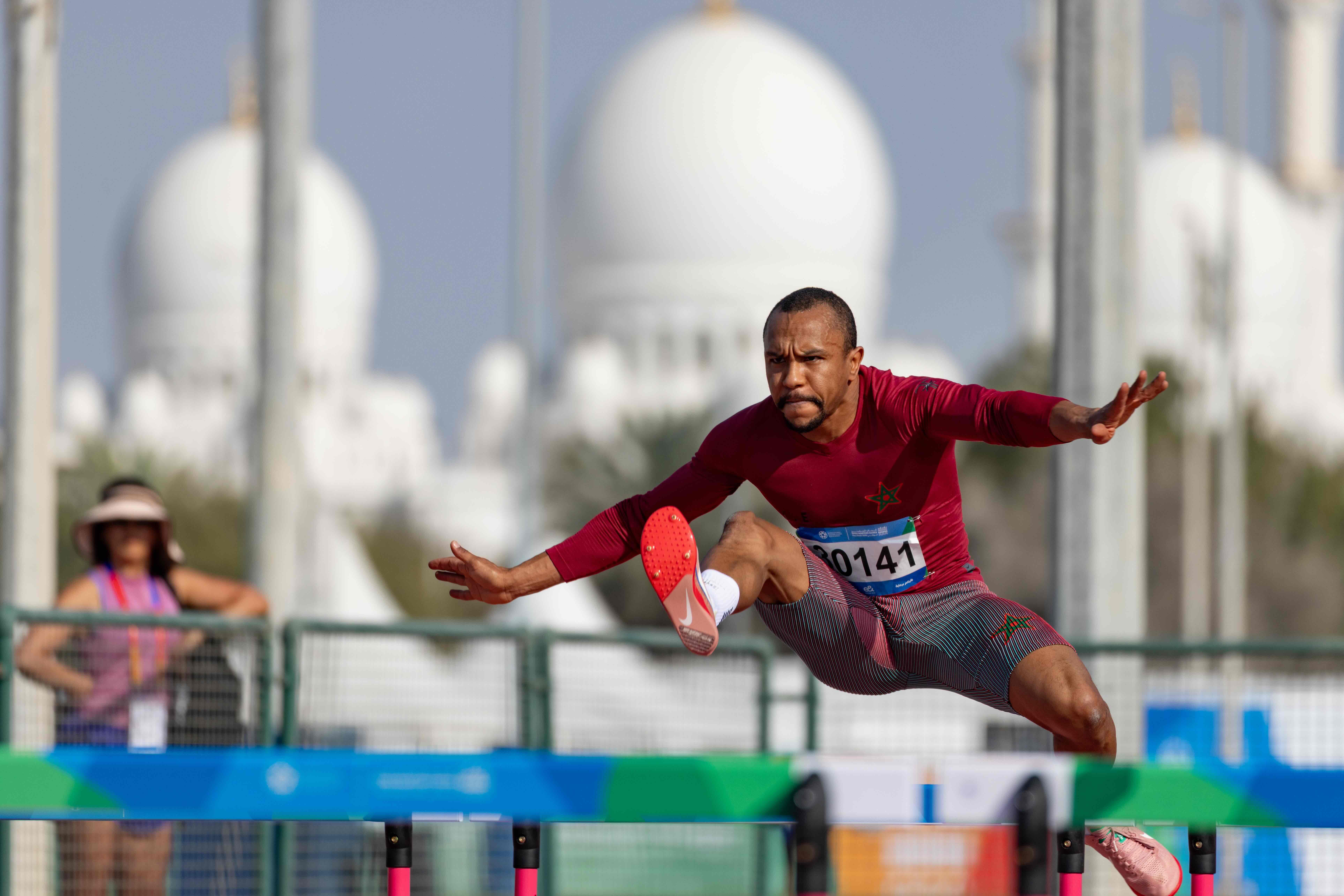
A competitor leaps over a hurdle during the track athletics competition at the Open Masters Games Abu Dhabi 2026, taking place at Zayed Sports City this week. (Walaa Alshaer/Open Masters Games Abu Dhabi 2026 via Getty Images)
📅 Circuit Calendar
Feb. 13-15, Munich. Munich Security Conference. A global forum for senior political, military and diplomatic leaders to debate major international security challenges. Hotel Bayerischer Hof.
March 31-April 2, Dubai. Arab Media Summit. The annual gathering brings together Arab media personnel, influencers and organizations. DWTC.
April 6-13, Dubai. Quantum Innovation Summit. Part of Global Quantum Week, focusing on quantum technology and applications. Grand Hyatt.
April 7-9, Dubai. Middle East Energy. Discover what’s new in energy. Dubai World Trade Centre.
April 7-9, Abu Dhabi. Future Health. Bringing together global leaders in government, science, technology and investment. ADNEC.
April 11-20, Abu Dhabi. Abu Dhabi International Book Fair. Fostering collaboration between regional publishing sectors and creative industries. ADNEC.
April 20-22, Riyadh. Future Aviation Forum. Exploring the future of air transport, sustainability, advanced air mobility, and artificial intelligence. King Abdulaziz International Conference Center.
April 13-16, Riyadh. LEAP 2026. Global tech event covering AI, 5G and startups. RECC Malham.
April 21-23, Dubai. UITP Summit 2026. A high-level event for the public transport sector looking at the future of urban mobility. Dubai World Trade Centre
April 24-26, Abu Dhabi. Middle East Film & Comic Con. Featuring some of the world’s biggest brands in film, TV, sci-fi, animation, manga, comics and collectibles.
April 29-30, Dubai. TOKEN2049 Dubai. A global gathering for the crypto ecosystem. Madinat Jumeirah.
The Daily Circuit: UAE caters to jet set + ADNOC’s new tankers
In today’s Daily Circuit, we report on ADNOC’s plans to buy six new LNG tankers, Oman’s booming stock market, Syria offering exploration licenses to Chevron, TotalEnergies and other big oil companies, and Qiddiya’s lavish spending plans to host the Saudi Cup. But first, accommodating the jet set in Dubai and Abu Dhabi.
A record number of flights taken on private jets has prompted UAE aviation companies to bolster their luxury charter fleets, amid an influx of millionaires and billionaires.
Dubai-based jet operator Vista Global has placed a $1 billion order with Canadian manufacturer Bombardier. The deal for 40 Challenger 3500 business jets has an option for an additional 120 planes, which would bring the value to as much as $4.7 billion, Reuters reports.
With the lure of an advantageous tax regime and a safe and luxurious lifestyle, Dubai and neighboring Abu Dhabi have become the world’s top destinations for millionaires, driving a sustained boom in luxury property and, now, demand for private jets.
Dubai’s main private jet hub at Dubai Southreported a record-breaking 20,289 business aviation movements in 2025, up 17% on the prior year.
Shares in Montreal-based Bombardier have risen by more than 200% over the past year based on strong revenue growth, including higher demand for aftermarket servicing. The company is looking at increasing production of private jets to meet the growing demand.
The 3500 model is an upscale version of Bombardier’s Challenger 350, seating up to 10 passengers. It features a 6-foot cabin height, deep-reclining seats and voice-controlled cabin lighting, temperature and entertainment.
Editor’s Note: Have thoughts or feedback? Hit reply or drop us a note at [email protected].
📰 Developing Stories
EMERGING OMAN
Omani stocks are heading for their best week since 2014 as investors bet the country could win an upgrade to emerging-market status, drawing fresh foreign investment into the Muscat exchange. Optimism over the potential reclassification has fueled a surge in share prices, with traders staking out positions ahead of the expected action, Bloomberg reports. Oman’s MSX 30 benchmark has advanced more than 9% since Sunday to its highest level since 2014. Gains of nearly 20% so far this year on the Muscat Stock Exchange are almost double those for MSCI Inc.’s emerging-market index.
QIDDIYA CUP
Saudi Arabia’s Qiddiya megaproject is galloping ahead with plans to make the Saudi Cup horse race a global showpiece, even as the kingdom trims spending on some other giant developments. The $40 billion entertainment city is investing heavily in racing facilities and fan experiences tied to the world’s richest horse race, Arabian Gulf Business Insight reports. The Saudi Cup itself carries a $20 million purse for the main race and more than $35 million across the race weekend, drawing top international horses and stables. Backers see the high-stakes event as a headline attraction designed to anchor Qiddiya’s push to become a global sports and entertainment hub. The new venue will include a 21,000-seat grandstand and a 110-meter parade ring.
💲 Sovereign Circuit
ADNOC: The UAE’s national oil company plans to order up to six new LNG tankers as part of its push to expand liquefied natural gas shipping.
Public Investment Fund: Saudi and U.S. energy firms, including Baker Hughes, Argent LNG and Hunt Energy, are forming a consortium with Saudi partners like PIF-owned ACWA Power and TAQA to explore and produce oil and gas in northeastern Syria following the easing of sanctions.
Qatar Investment Authority: Several airlines are “at war” against the $33 billion construction of a new runway and terminal at London’s Heathrow Airport, in which the QIA owns a 20% stake, the Financial Times reports.
International Holding Co.: The Abu Dhabi conglomerate, along with subsidiary Sirius and First Abu Dhabi Bank, has been granted approval by the UAE Central Bank to launch a dirham-backed stablecoin.
Presight AI: The big data analytics arm of Abu Dhabi-owned G42 posted a 37% jump in 2025 revenue, which Dr. Sultan Al Jaber, Presight Chairman and UAE Minister of Industry and Advanced Technology, said “would drive long-term growth and competitiveness.”
↪↩ Closing Circuit
💺 Bahrain Connection: AirAsia X announced a new Kuala Lumpur-Bahrain-London service beginning June 2026, establishing Bahrain as its Middle Eastern hub.
⛽ Gas Search: Syria plans to award licences to Chevron, ConocoPhillips, TotalEnergies and Eni to explore for vast undiscovered reservoirs of natural gas, the Financial Times reports.
⚡ Power Holding: Dubai Electricity and Water Authority bought 2.4 billion shares in district cooling company Empower from Emirates Power Investment, a Dubai Holding company, increasing its ownership stake to 80%.
🛬 Plane Fund: BlueFive Capital launched BlueFive Leasing in Muscat to raise over $1 billion for its first aircraft investment fund, targeting commercial aircraft leasing opportunities across MENA and Asia.
🗣 Circuit Chatter
🏭 LNG Deals: Iraq is set to receive its first LNG cargo this year, likely from Qatar, after signing a $450 million deal with Excelerate Energy for an offshore import terminal amid declining Iranian gas supplies and a failed Turkmenistan agreement.
🤖 AI Upheaval: The massive bet by private equity firms such as Blackstone, KKR and Blue Owl on niche software companies is being shaken by rising interest rates and new AI tools that can replicate many of their functions, forcing sharp revaluations, the Financial Times reports.
📈 IPO Jump: Dubai Investments Park, the real estate arm of Dubai Investments, is likely to take the lead in what’s expected to be an increase in IPO activity following the Eid Al Fitr holiday next month, Zawya reports.
🏨 Waldorf Sale: Middle Eastern and Asian sovereign funds are potential buyers for the Waldorf Astoria hotel in New York City which is expected to go on sale by its Chinese owners, The Wall Street Journal reports.
🌍 Power Circuit
UAE President Sheikh Mohamed bin Zayed met with Sheikh Saud bin Saqr Al Qasimi, Ruler of Ras Al Khaimah, who was accompanied by Sheikh Mohammed bin Saud bin Saqr Al Qasimi, Crown Prince of Ras Al Khaimah, at Qasr Al Shati palace in Abu Dhabi on Wednesday.
Sheikh Mohamed also met with Lt. Gen. Sheikh Nasser bin Hamad Al Khalifa, National Security Advisor, Royal Guard Commander and Secretary General of the Supreme Defense Council of Bahrain.
Prince Faisal bin Farhan, Saudi Arabia’s Minister of Foreign Affairs, received a letter from Russian Foreign Minister Sergey Lavrov on Wednesday concerning relations between the two countries.
➿ On the Circuit
Mustafa Suleyman, CEO of Microsoft AI, told the Financial Times that the software giant is pursuing “true self-sufficiency” in artificial intelligence by building its own powerful models and reducing its reliance on OpenAI.
Shahab Lutfi, Chairman of Dubai-based H&H Development, who just sold a penthouse for $108 million, told Bloomberg the demand for ultraluxury residences will continue to rise.
Alvaro Lario, President of the U.N.’s International Fund for Agricultural Development, said he is in talks with Middle East sovereign wealth funds to raise money for addressing hunger and food insecurity in the MENA region.
🎶 Culture Circuit
📺 On The Box: The Muslim holy month of Ramadan, when families spend a lot of time together, has become the most competitive period of the year for Arabic-language television. Streamers release episodes daily to capture audience share during the key ratings stretch. From crime stories to historical dramas, this year’s new shows reflect the growing scale and diversity of the Arab entertainment industry, The National reports. Among the highlights from MBC Shahid’s Ramadan line-up is “Kuhailan,” which traces the violent rivalry between two Bedouin horsemen in a “sweeping story of power, honor and desire.”
📷 Photo of the Day
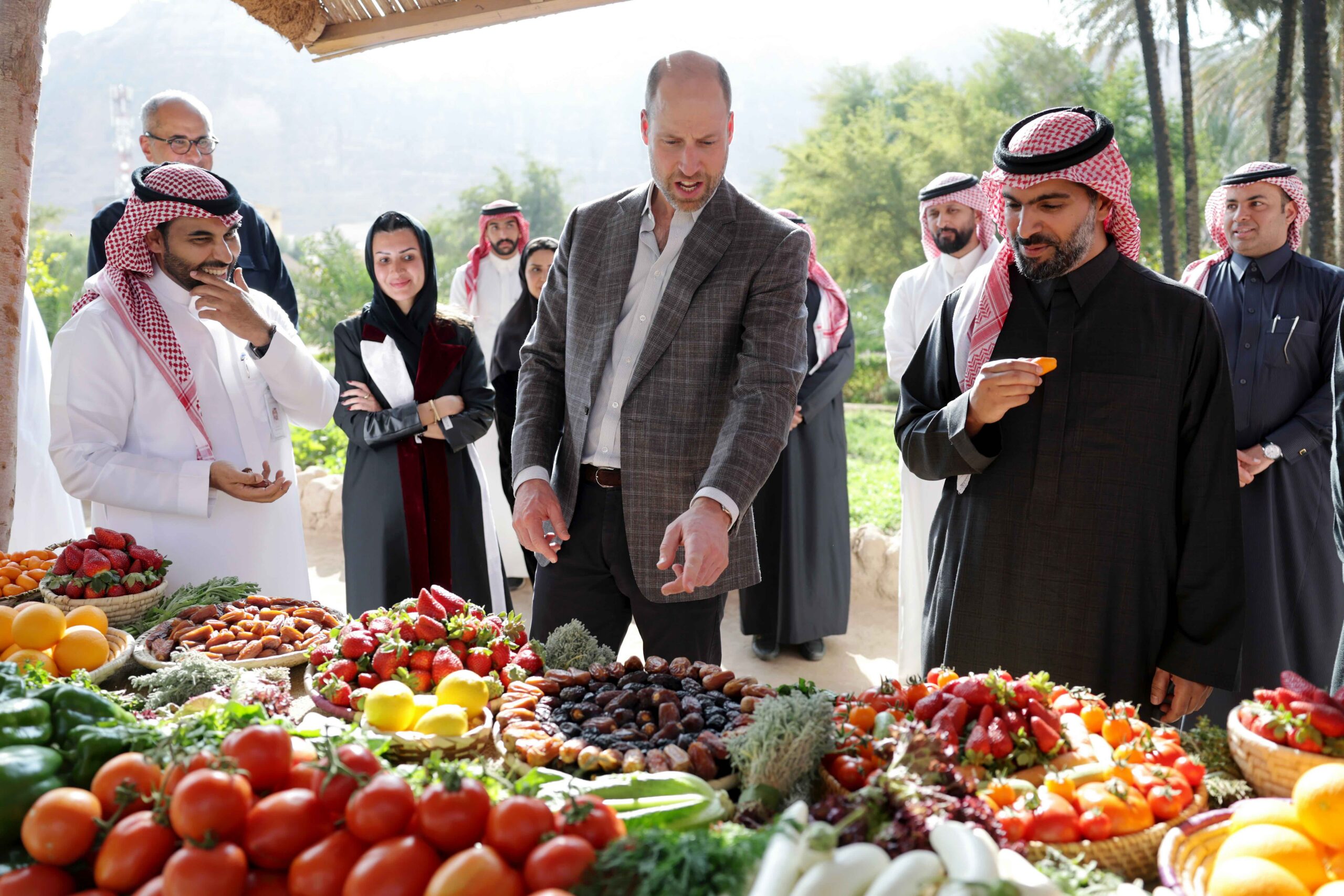
Britain’s Prince William and Saudi Arabia’s Prince Badr bin Abdullah bin Farhan inspect produce at the AlUla Oasis on Wednesday. (Chris Jackson/Getty Images)
📅 Circuit Calendar
Feb. 13-15, Munich. Munich Security Conference. A global forum for senior political, military and diplomatic leaders to debate major international security challenges. Hotel Bayerischer Hof.
March 31-April 2, Dubai. Arab Media Summit. The annual gathering brings together Arab media personnel, influencers and organizations. DWTC.
April 6-13, Dubai. Quantum Innovation Summit. Part of Global Quantum Week, focusing on quantum technology and applications. Grand Hyatt.
April 7-9, Dubai. Middle East Energy. Discover what’s new in energy. Dubai World Trade Centre.
April 7-9, Abu Dhabi. Future Health. Bringing together global leaders in government, science, technology and investment. ADNEC.
April 11-20, Abu Dhabi. Abu Dhabi International Book Fair. Fostering collaboration between regional publishing sectors and creative industries. ADNEC.
April 13-16, Riyadh. LEAP 2026. Global tech event covering AI, 5G and startups. RECC Malham.
April 21-23, Dubai. UITP Summit 2026. A high-level event for the public transport sector looking at the future of urban mobility. Dubai World Trade Centre
April 24-26, Abu Dhabi. Middle East Film & Comic Con. Featuring some of the world’s biggest brands in film, TV, sci-fi, animation, manga, comics and collectibles.
April 29-30, Dubai. TOKEN2049 Dubai. A global gathering for the crypto ecosystem. Madinat Jumeirah.
The Daily Circuit: Moody’s sees Dubai slowdown + MGX mulls funding Anthropic
In today’s Daily Circuit, we report on MGX considering a major investment in Anthropic’s $20 billion fundraising round, OpenAI teaming up with G42 to create a bespoke version of ChatGPT for the UAE, Saudi Arabia and Qatar moving forward with a railway link between their capitals, and Uber starting a robo-taxi service in Dubai. But first, Moody’s sees indications that the surge in Dubai real estate prices may be tapering off.
Dubai’s five-year property boom is showing signs of slowing down. A surge of new homes coming onto the market this year is likely to cool the pace of rising prices, according to a report by Moody’s.
The ratings firm said that major Emirati developers and banks are in a strong enough financial position to cope with a softer market.
Population growth and continued demand from wealthy overseas buyers should prevent a sharp downturn, according to a report by Moody’s Vice President and Senior Analyst Lisa Jaeger.
Since 2021, developers have been capitalizing on high prices to sell an increasing number of homes off-plan for completion several years later. This will drive a surge in new deliveries between 2026 and 2028 in Dubai in particular, before tapering off, Jaeger writes.
“The slowdown will prompt developers to scale back the launch of new projects and lead to lower new sales values over the next 12 to 18 months, a trend we expect will persist for several years,” the report says.
Editor’s Note: Have thoughts or feedback? Hit reply or drop us a note at [email protected].
📰 Developing Stories
SILICON STAKES
Abu Dhabi-backed investment firm MGX may be close to putting hundreds of millions of dollars into AI startup Anthropic as part of a massive fundraising round expected to top $20 billion. The round, which would value Anthropic at about $350 billion, has attracted major support from Singapore’s sovereign wealth fund GIC and other large institutional backers, Bloomberg reports. MGX was set up last year with support from Abu Dhabi funds including Mubadala and technology group G42, with a mandate to invest heavily in artificial intelligence and related infrastructure. The firm has already taken stakes in OpenAI and Elon Musk’s xAI.
LONDON LIMITS
Boris Johnson, while serving as Mayor of London, jokingly referred to the city as the “eighth emirate.” But the days of Knightsbridge and Mayfair being the favorite playground of the Gulf’s uber-rich could be numbered after Mayfair enacted a 200 square-meter (2,152 square-foot) size limit on new build apartments, effectively ending a run on enormous trophy penthouses in the swanky inner borough, The National reports. Wealthy buyers from the UAE and Saudi Arabia have become the dominant international group hunting for property in the neighborhood in recent years, but developers say waitlists are growing as supply of luxury apartments dwindles.
💲 Sovereign Circuit
Public Investment Fund: Saudi Arabia’s Public Investment Fund warned that without rapidly expanding domestic manufacturing to support Vision 2030 projects, the kingdom risks supply shortages and costly reliance on imports.
Sanabil Investments: Richard Attias & Associates, the events organizer that is 75% owned by the PIF’s investment arm Sanabil, has picked banks for its planned IPO, Bloomberg reports.
G42: OpenAI is teaming up with Abu Dhabi’s G42 to develop a UAE-tailored version of ChatGPT for government use, adapted to local language, cultural values, and regulations.
DP World: Quebec’s main pension fund said it has paused new investments with Dubai-based port operator DP World after details of Chairman Sultan Ahmed bin Sulayem’s contacts with disgraced financier Jeffrey Epstein were revealed by the U.S. Justice Department.
↪↩ Closing Circuit
🌍 Africa Bet: Cairo-based Beltone Capital agreed to acquire French microlender Baobab Group for $198 million, expanding its financial services across Africa.
🐔 Chicken Sandwich: UAE-based Americana Restaurants is acquiring the Emirati and Saudi franchises of Lebanese fast-food chain Malak Al Tawouk in a $21 million deal that includes licensing rights for the business in 13 countries.
🚆 Linking Cities: Saudi Arabia has approved a 785-kilometer (490-mile) high-speed electric railway linking Riyadh and Qatar’s capital city of Doha in two hours, with construction set to take six years.
🗣 Circuit Chatter
🚕 Robo-Rides: Uber said it will start offering autonomous taxi rides in Dubai over the coming month using vehicles supplied by China’s Baidu.
🏭 Factory Incubator: Bahrain is setting up a shared manufacturing workspace and industrial incubator for small and mid-sized factories as part of a project called HQ Industrial.
⚽ Soccer Science: FIFA has named Saudi Arabia’s King Abdullah University of Science and Technology as its first research institute in the Middle East and Asia, marking a milestone for Saudi Arabia’s global sports ambitions.
🛡️ Arms Sale: Israel’s state-owned defense firm Rafael may start a privatization process toward the end of 2026, Chairman Yuval Steinetz told Reuters.
🌍 Power Circuit
UAE President Sheikh Mohamed bin Zayedmet withSheikh Mohammed bin Rashid, UAE Vice President and Ruler of Dubai, at Qasr Al Bahr palace in Abu Dhabi on Tuesday along with Sheikh Mansour bin Zayed, UAE Vice President, Deputy Prime Minister and Chairman of the Presidential Court.
Sheikh Mansour, who is also Chairman of Mubadala, led a meeting of the sovereign wealth fund’s board on Tuesday at Qasr Al Watan palace in Abu Dhabi.
Saudi Crown Prince Mohammed bin Salman is coming to terms with the need to cut spending and rein in some of the ambitious projects started under his Vision 2030 plan, MBS biographer and former publisher Karen Elliott Housewrites in The Wall Street Journal.
Qatar’s Emir Sheikh Tamim held a phone call with U.S. President Donald Trump ahead of a meeting between Trump and Israel’s Prime Minister Benjamin Netanyahu.
Prince Badr bin Abdullah, Saudi Minister of Culture, accompanied Britain’s Prince William on a tour of AlUla, where he visited Sharaan Nature Reserve and planted a tree.
➿ On the Circuit
Suhail Al Mazrouei, UAE Minister of Energy and Infrastructure, attended a reception hosted by Reza Ameri, Ambassador of Iran to the UAE, on Monday.
Faisal Al-Kahtani, Deputy CEO of the Saudi Fund for Development, met withKotaro Tanaka, a senior official from the Japan International Cooperation Agency.
Tareq Amin, CEO of Humain, said Saudi Arabia is aiming to become the world’s largest exporter of artificial intelligence tokens, speaking at the PIF Private Sector Forum on Tuesday.
Mohammed Saeed Al Shehhi, Director-General and Board Member of the Emirates Racing Authority, was re-elected as Vice-Chairman of Asian Racing Federation for a second consecutive term.
Naveen Kumar Mwas appointed Senior Associate Director at global asset manager Janus Henderson.
🎶 Culture Circuit
🏈 Gulf Gridiron: Abu Dhabi could be the site of a regular-season NFL football game in the near future, according to the league’s commissioner, Roger Goodell. In a pre-Super Bowl interview on Westwood One, Goodell talked about the American sport’s international expansion plans that may include 16 games a season played in foreign countries including the UAE and Japan.
📷 Photo of the Day
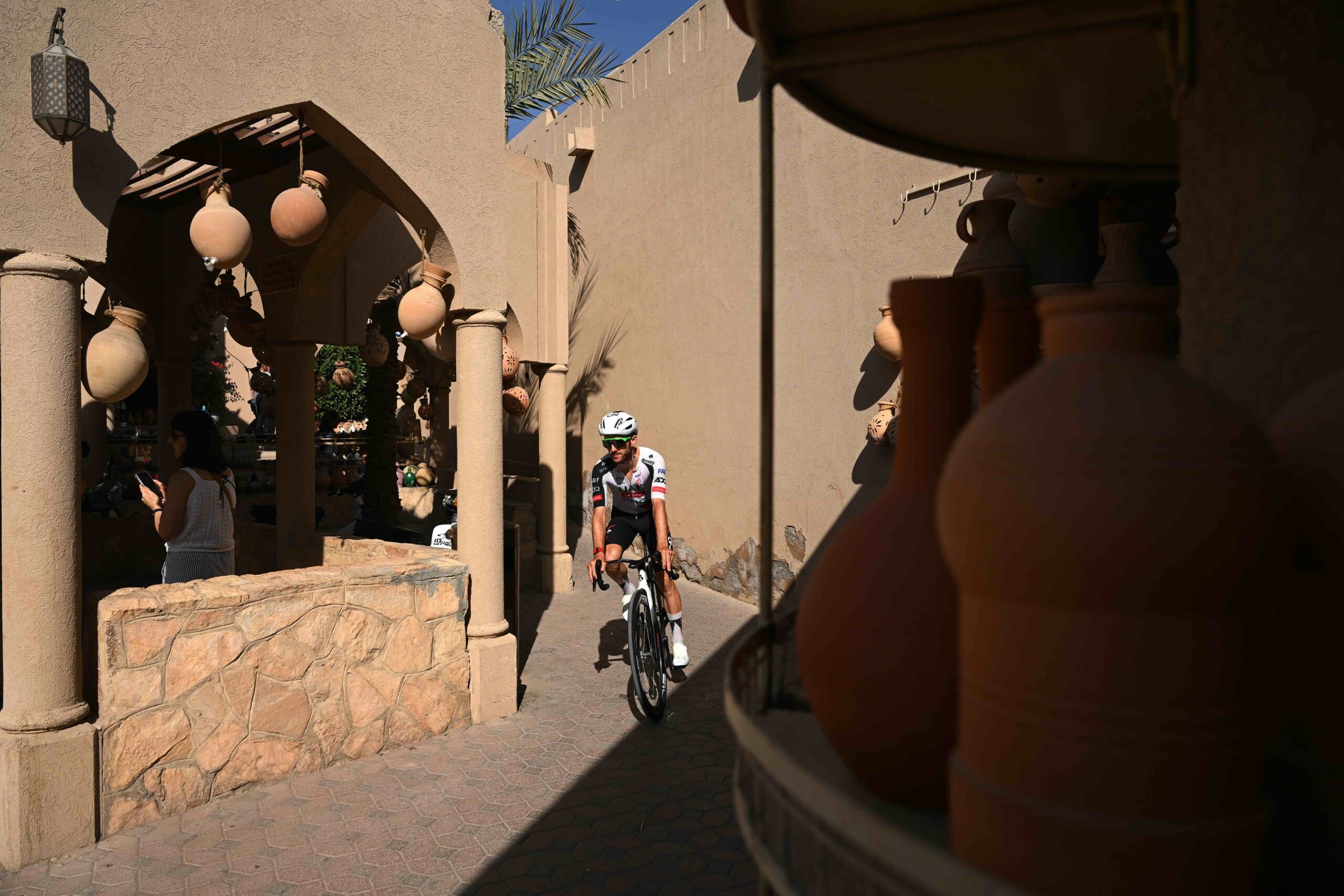
Adam Yates of Great Britainand UAE Team Emirates cycles through Nizwa prior to the fifth stage of the 15th Tour of Oman on Wednesday. (Dario Belingheri/Getty Images)
📅 Circuit Calendar
Feb. 8-12, Riyadh. World Defense Show. Brings together global weapons manufacturers, government procurement officers and defense contractors. Riyadh International Convention and Exhibition Centre.
Feb. 9-12, Dubai. WHX Dubai 2026. World Health Expo Dubai (formerly Arab Health) brings together global healthcare professionals, innovations and ideas within the sector. Dubai Exhibition Center.
Feb. 11-12, Cairo. Ai Everything Middle East and Africa, Egypt. Bringing together AI leaders, innovators, startups, investors, and policymakers to explore transformative technologies and accelerate AI adoption across industries. Egypt International Exhibition Center.
Feb. 12-13, Riyadh. PIF Private Sector Forum. The event, in its third edition, aims to support the Saudi Public Investment Fund’s Private Sector Engagement Strategic Initiative. King AbdelAziz International Conference Center.
Feb. 13-15, Munich. Munich Security Conference. A global forum for senior political, military and diplomatic leaders to debate major international security challenges. Hotel Bayerischer Hof.
Feb. 18-March 18, Abu Dhabi. Capital Majlis Abu Dhabi. A Ramadan dining experience featuring Arabian Nights Iftar and Suhoor menus. ADNEC.
March 31-April 2, Dubai. Arab Media Summit. The annual gathering brings together Arab media personnel, influencers and organizations. DWTC.
April 7-9, Abu Dhabi. Future Health. Bringing together global leaders in government, science, technology and investment. ADNEC.
The Daily Circuit: Saudi fans await Ronaldo return + Mubadala Capital buys Clear Channel
In today’s Daily Circuit, we report on Mubadala Capital’s $6.2 billion deal to buy Clear Channel Outdoor Holdings with partner TWG Global, the $1 billion in deals signed by Saudi EV maker CEER to source materials from inside the kingdom, Qatar’s postponement of LNG production from its massive North Field project and Gourmet Egypt’s 38% jump in its Cairo stock exchange debut. But first, Ronaldo’s fans are wondering, will he or won’t he?
Saudi team owners and soccer fans are waiting breathlessly to discover whether reports are correct that Cristiano Ronaldo will end his two-match boycott this coming weekend amid disputes with his Al-Nassr football club and league officials.
The Riyadh team’s star Portuguese captain, who is paid $235 million a year, plans to return for Al-Nassr’s Feb. 14 match against Al-Fateh, ESPN reports.
Ronaldo’s grievances revolve around the role of Saudi Arabia’s Public Investment Fund in team affairs and comparisons with rival clubs’ transfer activity, according to the sports broadcaster.
In a statement last week, the Saudi Pro League said that any problems Ronaldo and other players have must be resolved with their individual teams. “Decisions on recruitment, spending and strategy sit with those clubs, within a financial framework designed to ensure sustainability and competitive balance,” the league said.
Ronaldo has played 22 games this season, scoring 18 goals and providing three assists as Al-Nassr sits in second in the Saudi Pro League, one point behind leader Al-Hilal.
Editor’s Note: Have thoughts or feedback? Hit reply or drop us a note at [email protected].
📰 Developing Stories
ELECTRIC KINGDOM
Saudi Arabia’s electric vehicle maker CEER has signed nearly $1 billion in deals as it seeks to localize its supply chain. The company, which is a joint venture between the Public Investment Fund and Taiwanese manufacturer Foxconn, is planning to source 45% of its raw materials and parts from inside the kingdom by 2034. CEER is planning to roll its first vehicle off the production line in late 2026 and launch six more models over the next five years, Arabian Gulf Business Insight reports. “Our approach goes beyond mere assembly; we are utilizing local raw materials and empowering Saudi companies to become global suppliers,” CEO James DeLuca said as he announced the signing of the 16 agreements at the PIF’s Private Sector Forum in Riyadh.
GOLDEN GOOSE
Foie gras and French goat cheese fueled Gourmet Egypt’s stunning debut on the Cairo stock exchange today, in which the upscale grocer’s shares rose as much as 38%. With sales split between institutional and retail investors at 6.90 Egyptian pounds per share, the store’s IPO raised almost $28 million, Bloomberg reports. Gourmet Egypt, which opened its business 20 years ago and specializes in imported foods such as Angus beef and Roquefort cheese, recently introduced ready-to-heat meals under its own “Handcrafted by Gourmet” label. The Egyptian Exchange’s benchmark index has soared 68% over the past 12 months and officials are expecting as many as eight new listings this year.
💲 Sovereign Circuit
Public Investment Fund: PIF Governor Yasir Al-Rumayyan said in a speech to the PIF Private Sector Forum on Monday that the Saudi sovereign wealth fund is committed to “empowering the private sector to contribute to leading the kingdom’s economic growth and transformation.”
Mubadala: Abu Dhabi’s Mubadala Capital and U.S.-based TWG Global have agreed to acquire Clear Channel Outdoor Holdings in a $6.2 billion all-cash deal.
G42: Khazna Data Centers, backed by the Abu Dhabi tech conglomerate G42, launched an in-house operations business for running hyperscale data centers, called Khazna NextOps.
Humain: Luma AI, a Silicon Valley artificial intelligence film production startup backed by Saudi Arabia’s Humain, is expanding in the region as the kingdom doubles down on digital infrastructure as an economic growth engine, Arabian Gulf Business Insight reports.
↪↩ Closing Circuit
🏗️ CO2 Contract: Australia-based Worley secured a contract from Samsung C&T to provide detailed engineering services for the QatarEnergy LNG Carbon Dioxide Sequestration Project in Ras Laffan, Qatar.
🌊 Tourism Boost: Egypt has unveiled plans for the $1 billion Monte Galala Towers and Marina project on the Red Sea, a 10-tower mixed-use development set to begin construction in the second half of the year.
🧪 Chemical Plant: Egypt will build the Middle East’s first sodium cyanide plant in Alexandria, led by DrasChem Specialty Chemicals, with $200 million in first-phase investment.
🗣 Circuit Chatter
⏳ Gas Timing: Qatar has pushed the start of production from its massive North Field LNG expansion to the end of 2026, delaying a key phase of a project that will raise capacity by tens of millions of tons a year.
🪙 Digital Coins: The UAE Central Bank issued commemorative gold and silver coins to mark the fifth anniversary of the Mohamed bin Zayed University of Artificial Intelligence.
🛰️ Space Comms: Dubai-based electronics company Elcome has signed a deal to resell Amazon Leo’s low-Earth-orbit internet to the maritime sector, The National reports.
🌍 Power Circuit
Britain’s Prince William is on a three-day visit to Saudi Arabia, where Crown Prince Mohammed bin Salmantook him on Monday night for a tour of Diriyah, the ancestral home of the Saudi royal family.
Sheikh Mohammed bin Rashid, UAE Vice President and Ruler of Dubai, opened the World Health Expo Dubai 2026 at the Dubai Exhibition Centre.
Sheikh Saud bin Saqr Al Qasimi, Ruler of Ras Al Khaimah, attended a dinner held at Al Jazeera Al Hamra Heritage Village, hosted by the embassies of Costa Rica, El Salvador and Guatemala to celebrate Central American cuisine.
➿ On the Circuit
Khalid Al-Falih, the Saudi Investment Minister, said at the PIF Private Sector Forum on Monday that the government must be willing to reshape its investment priorities when it encounters “a radical, unexpected change in demand, competition, or feasibility.”
Lana Nusseibeh, UAE Minister of State, and Khalid Belhoul, UAE Ambassador to Iran, met in Tehran with Majid Takht Ravanchi, Iran’s Deputy Foreign Minister for Political Affairs, and Reza Ameri, Ambassador of Iran to the UAE.
Burhan Al Hashemiwas appointed CEO of Emirates Petroleum Company, known as Emarat.
Mohamed Galal, a 22-year veteran executive at Bayer,was appointed Cluster Head for the Middle East and North Africa region at the German pharmaceutical company.
🎶 Culture Circuit
📚 Page Turner: Syria is hosting its first post-liberation book fair, as the war-torn country tries to resume its historical role as a regional center of culture and learning. The 10-day Damascus International Book Fair, which includes some 500 publishing houses presenting more than 100,000 titles, was launched under the patronage of President Ahmed Al-Sharaa last week. Organizers emphasized the role of cultural freedom as the key to social cohesion and as a bulwark against extremism.
📷 Photo of the Day
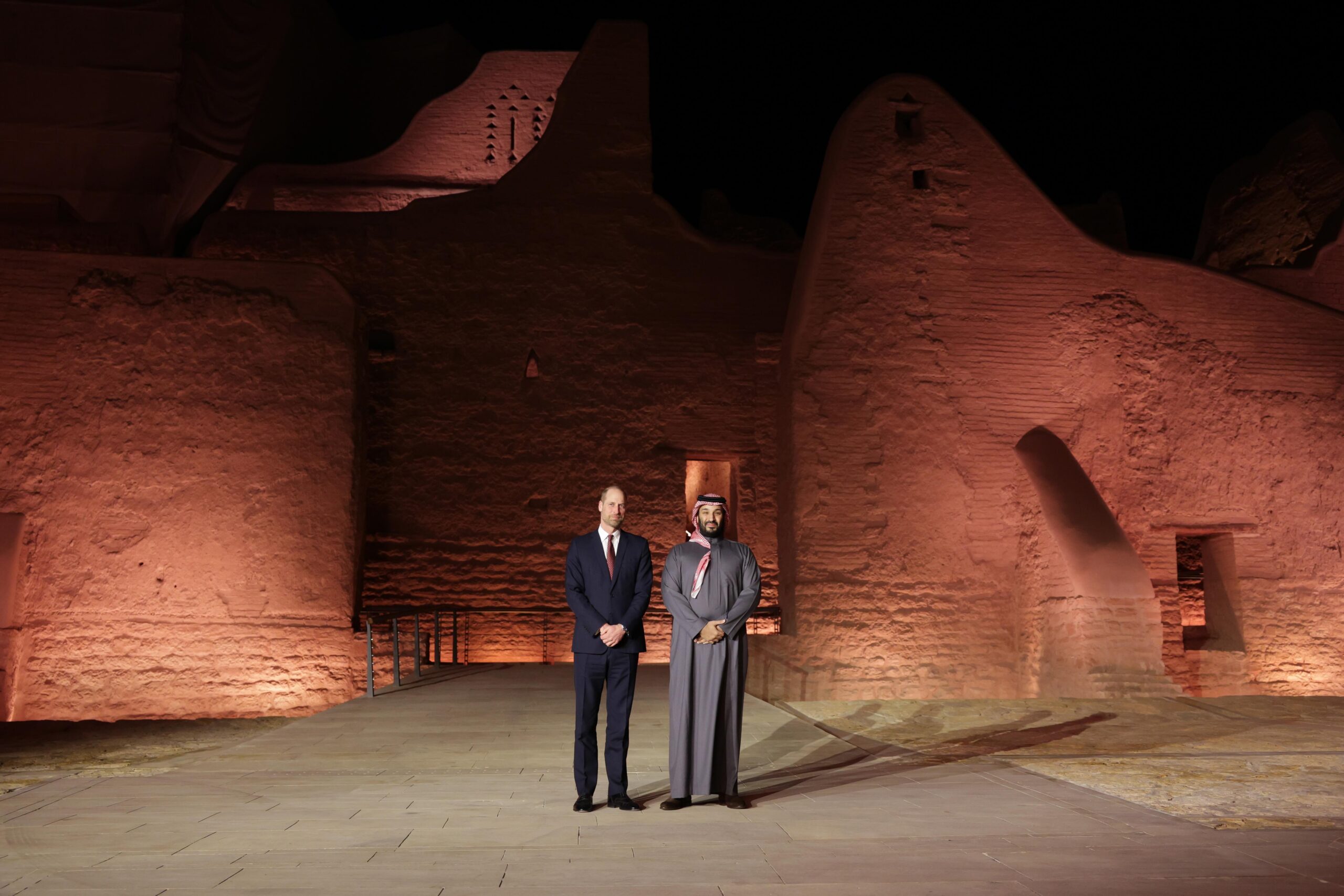
Britain’s Prince William poses for a photograph with Crown Prince Mohammed bin Salman at UNESCO World Heritage site At-Turaif during his first official visit to Saudi Arabia on Monday. (Chris Jackson/Getty Images)
📅 Circuit Calendar
Feb. 8-12, Riyadh. World Defense Show. Brings together global weapons manufacturers, government procurement officers and defense contractors. Riyadh International Convention and Exhibition Centre.
Feb. 9-12, Dubai. WHX Dubai 2026. World Health Expo Dubai (formerly Arab Health) brings together global healthcare professionals, innovations and ideas within the sector. Dubai Exhibition Center.
Feb. 10-11, Abu Dhabi. Top Advisors & Investors Summit. The event will convene advisors, financiers, and investors from across the Middle East in the UAE capital. Conrad Etihad Towers.
Feb. 11, Dubai. AIMA Middle East Forum. A conference for alternative asset managers in the UAE and the wider alternative assets eco-system. Kempinski Central Avenue Dubai.
Feb. 11-12, Cairo. Ai Everything Middle East and Africa, Egypt. Bringing together AI leaders, innovators, startups, investors, and policymakers to explore transformative technologies and accelerate AI adoption across industries. Egypt International Exhibition Center.
Feb. 12-13, Riyadh. PIF Private Sector Forum. The event, in its third edition, aims to support the Saudi Public Investment Fund’s Private Sector Engagement Strategic Initiative. King AbdelAziz International Conference Center.
Feb. 13-15, Munich. Munich Security Conference. A global forum for senior political, military and diplomatic leaders to debate major international security challenges. Hotel Bayerischer Hof.
Feb. 18-March 18, Abu Dhabi. Capital Majlis Abu Dhabi. A Ramadan dining experience featuring Arabian Nights Iftar and Suhoor menus. ADNEC.
March 31-April 2, Dubai. Arab Media Summit. The annual gathering brings together Arab media personnel, influencers and organizations. DWTC.
April 7-9, Abu Dhabi. Future Health. Bringing together global leaders in government, science, technology and investment. ADNEC.
The Daily Circuit: Saudi revision 2030 + Egypt’s startup charter
In today’s Daily Circuit, we report on Egypt’s $1 billion plan to promote startups, the Oman Investment Authority selling a majority stake of its meat business, Abu Dhabi’s G42 building data centers in Vietnam, and the Dubai company using robotic dogs to make its construction sites more efficient. But first, Saudi Arabia’s Vision 2030 confronts economic change.
Saudi Arabia is getting ready to unveil an updated blueprint for Crown Prince Mohammed bin Salman’s Vision 2030 overhaul of the kingdom’s finances.
Finance Minister Mohammed Al-Jadaan said on Sunday that discussions on the government’s new five-year plan are underway at this week’s economic conference in AlUla that takes into account Saudi Arabia’s declining oil revenues and resulting budget shortfalls.
“We continue really to reprioritize, rework our policies, making sure that we enhance as we go to ensure that we enable the private sector to lead the economy,” Al-Jadaan told Bloomberg.
The government is recalibrating some of its most ambitious projects, including suspending construction of the giant cube-shaped Mukaab in Riyadh’s $50 billion New Murabba development and scaling back the $1 trillion Neom development’s futuristic city called The Line.
Saudi officials have also postponed the 2029 Asian Winter Games at Neom’s Trojena resort and reduced the original scope of Neom’s sprawling development to focus on what are projected to be the most promising sectors, such as tourism, logistics and technology.
Saudi Arabia’s Public Investment Fund, meanwhile, will be testing the appetite of foreign investors to put their money in the kingdom, including in the sovereign wealth fund’s 120 portfolio companies, at this week’s PIF Private Sector Forum, Arabian Gulf Business Insight reports.
Editor’s Note: Have thoughts or feedback? Hit reply or drop us a note at [email protected].
📰 Developing Stories
NILE STARTUPS
Egypt has rolled out a National Startup Charter, unveiling a $1 billion plan to turn young companies into engines of jobs and growth. The five-year program is designed to back about 5,000 startups and create half a million jobs as officials try to make entrepreneurship a mainstream career path, Arab News reports. Egyptian startups have been gaining traction, pulling in $238 million in venture capital over the past year. The charter promises simpler regulations, faster government approvals and better access to financing, addressing long-standing complaints about Egypt’s labyrinthine bureaucracy and red tape.
WATCH DOG
A Dubai-based construction company is using robotic dogs and smart watches to monitor the productivity of its workforce as they toil on some of the UAE’s most important projects. Alec Holdings, which is majority-owned by the Investment Corp. of Dubai, the main investment arm of the emirate’s government, is working on the first phase of the $30 billion Stargate data center in Abu Dhabi and the Wynn Resort in Ras Al Khaimah, the Gulf’s first casino complex. The company has distributed about 7,000 watches from Dubai-based AI productivity firm Brix and plans to double that number, Alec Holdings CEO Barry Lewis told The National.
💲 Sovereign Circuit
G42: The Abu Dhabi tech conglomerate and a consortium led by FPT Corp. and Viet Thai Group have agreed to build three data centers and develop sovereign AI inVietnam.
Oman Investment Authority: Brazil’s JBS, the world’s largest meat producer, agreed to invest $150 million to acquire an 80% stake in an Oman-based food business from the OIA.
Dubai Holding: Aldar and Dubai Holding, the investment conglomerate owned by Dubai’s royal family, have expanded their real estate joint venture by acquiring two Dubai land plots for a $10 billion development.
2PointZero: CEO Samia Bouazza told The National that the Group’s playbook is being driven by AI tools to execute disciplined capital deployment and remove inefficiencies.
↪↩ Closing Circuit
🚄 Fast Track: Saudi Arabia ordered 20 high-speed trains from Spain’s Talgo in a deal worth about 1.3 billion euros ($1.5 billion).
🛫 Runway Return: Saudi companies have agreed to help rebuild Syria’s aviation and telecommunications networks, including airport upgrades, mobile network restoration and the launch of a new airline, as the two countries launched 45 wide-ranging development initiatives.
🛡️ Shield Pact: France and Bahrain signed a bilateral defense agreement covering military cooperation, training and information sharing.
🗣 Circuit Chatter
💺 Airspace Spat: Algeria has begun procedures to cancel its bilateral air services agreement with the UAE amid escalating diplomatic tensions.
📈 Fair Share: Banks are asking Saudi Arabia’s markets regulator to rethink its plan to allocate more IPO shares to local investors, warning it could hurt stock performance and discourage foreign investment.
💸 Price Shock: Israel’s antitrust authority said it plans to fine El Al roughly 121 million shekels ($39 million) for unfairly raising fares during the Gaza war, accusing the airline of abusing its position when many foreign carriers halted flights.
🌍 Power Circuit
UAE President Sheikh Mohamed bin Zayedreceived Egypt’s President Abdel Fattah El Sisi on his arrival in Abu Dhabi on Monday.
Sheikh Mohamedmet withFriedrich Merz, Chancellor of Germany, and separately with Évariste Ndayishimiye, President of Burundi, at Qasr Al Shati palace in Abu Dhabi on Friday.
Emir of Qatar Sheikh Tamimattended the opening ceremony of the Winter Olympic Games 2026 in Milan, Italy, on Friday.
Emir of Kuwait Sheikh Meshal held talks with Qatar’s Prime Minister and Minister of Foreign Affairs Sheikh Mohammed bin Abdulrahman, in Kuwait on Sunday.
Friedrich Merz, the German Chancellor, visited ADNOC’s headquarters in Abu Dhabi during his official visit to the UAE and was received by Dr. Sultan Al Jaber, UAE Minister of Industry and Advanced Technology, Managing Director and Group CEO of ADNOC, Chairman of Masdar and Executive Chairman of XRG.
Saad Sherida Al Kaabi, Minister of State for Energy Affairs of Qatar, met with Javier Martínez-Acha, Minister for Foreign Affairs of Panama, in Doha on Sunday.
Alya Alsalmi, a Saudi fashion designer, created bespoke outfits for Saudi Arabia’s team at Winter Olympics 2026, underway in Italy.
Nasser Al-Khelaifi, Chairman of Qatar Sports Investments, was hosted at a Super Bowl party in Santa Clara, Calif., by Michael Rubin, CEO of the Fanatics digital sports platform.
🎶 Culture Circuit
🎪 Inside the Tent: As Ramadan approaches, hotels and resorts around the UAE are preparing their elaborate Iftar tents – the special venues designed to host the evening meal served at sunset to break the daily fast. This year, Ramadan for the first time in decades will fall entirely in the Gulf’s mild winter season, making outdoor dining more appealing. The options are vast and magnificent – from an enormous tent at Emirates Palace Mandarin Oriental in Abu Dhabi and meals seated next to Dubai’s sculptural Museum of the Future, to dining among the sand dunes at a luxury desert camp.
📷 Photo of the Day
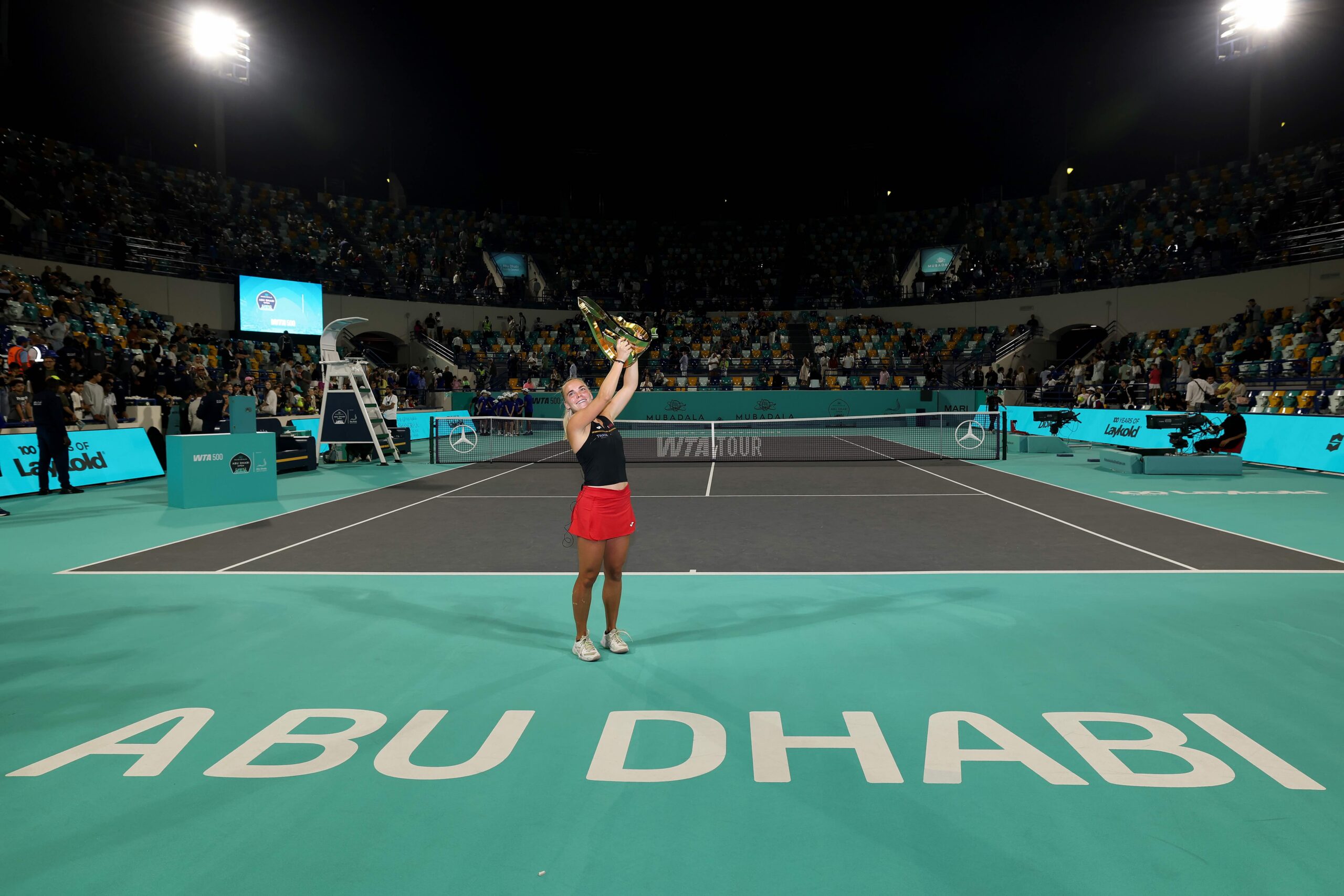
Sara Bejlek of the Czech Republic poses with the trophy after victory over Ekaterina Alexandrova in the Mubadala Abu Dhabi Open final at Zayed Sports City on Saturday. (Christopher Pike/Getty Images)
📅 Circuit Calendar
Feb. 8-12, Riyadh. World Defense Show. Brings together global weapons manufacturers, government procurement officers and defense contractors. Riyadh International Convention and Exhibition Centre.
Feb. 9-12, Dubai. WHX Dubai 2026. World Health Expo Dubai (formerly Arab Health) brings together global healthcare professionals, innovations and ideas within the sector. Dubai Exhibition Center.
Feb. 10-11, Abu Dhabi. Top Advisors & Investors Summit. The event will convene advisors, financiers, and investors from across the Middle East in the UAE capital. Conrad Etihad Towers.
Feb. 11, Dubai. AIMA Middle East Forum. A conference for alternative asset managers in the UAE and the wider alternative assets eco-system. Kempinski Central Avenue Dubai.
Feb. 11-12, Cairo. Ai Everything Middle East and Africa, Egypt. Bringing together AI leaders, innovators, startups, investors, and policymakers to explore transformative technologies and accelerate AI adoption across industries. Egypt International Exhibition Center.
Feb. 12-13, Riyadh. PIF Private Sector Forum. The event, in its third edition, aims to support the Saudi Public Investment Fund’s Private Sector Engagement Strategic Initiative. King AbdelAziz International Conference Center.
Feb. 13-15, Munich. Munich Security Conference. A global forum for senior political, military and diplomatic leaders to debate major international security challenges. Hotel Bayerischer Hof.
March 31-April 2, Dubai. Arab Media Summit. The annual gathering brings together Arab media personnel, influencers and organizations. DWTC.
April 7-9, Abu Dhabi. Future Health. Bringing together global leaders in government, science, technology and investment. ADNEC.
The Daily Circuit: Saudia shops for new fleet + Etihad Rail spends $6.5B
In today’s Daily Circuit, we report on Etihad Rail signing $6.5 billion in contracts for the forthcoming Abu Dhabi-Dubai high-speed rail line, prospects for growth in German arms sales to the Gulf, the impact of this week’s Wall Street sell-off on the PIF’s portfolio, and Saudi Arabia passing hosting duties for the 2029 Asian Winter Games to Kazakhstan. But first, Saudia is shopping for new aircraft to take pilgrims to Mecca.
Saudi Arabia’s 80-year-old flagship carrier is preparing to make its largest jet order yet, as it refocuses on religious pilgrimages in the kingdom’s renewed push to become a travel and tourism hub.
Executives from Saudia are studying models from Airbus and Boeing for an order of at least 150 narrowbody and widebody jets, which are expected to replace some of its 200-strong fleet, while also boosting its total stock, Bloomberg reports.
It comes as startup Riyadh Air is preparing to launch full commercial services in coming weeks, with the goal of becoming an upmarket tourist and business carrier. Saudia will reposition itself to take advantage of the growth in religious tourists flocking to Mecca and Medina.
Meanwhile, Dubai’s Emirates airline has lost more than $10 billion in freight and passenger revenues because of ongoing delays in deliveries from Boeing and Airbus, Sir Tim Clark, its President, told Arabian Gulf Business Insights.
Emirates’ order backlog has now reached 315 planes from Boeing and 57 from Airbus, with 18 A350s due before the end of this year. Clark said about 120 of the Boeing planes should have been delivered by now.
Editor’s Note: Have thoughts or feedback? Hit reply or drop us a note at [email protected].
📰 Developing Stories
SWITCHING SLOPES
Kazakhstan will host the 2029 Asian Winter Games, an event originally planned for Saudi Arabia until the kingdom acknowledged last month that its $38 billion Trojena ski resort would not be ready in time. The Olympic Council of Asia named Almaty, Kazakhstan, as the replacement host city after deliberations on the sidelines of the 2026 Winter Olympics, which begin today in Milan. Riyadh and the Council agreed in late January to postpone Saudi Arabia’s staging of the Games, which had been awarded to Trojena as part of the NEOM megaproject in 2022. Kazakhstan last hosted the Asian Winter Games in 2011.
AT EASE
German Chancellor Friedrich Merz pledged to take a less restrictive approach to arms exports for Gulf states during a visit to Doha, Qatar. Speaking on Thursday as part of a broader diplomatic tour that included Saudi Arabia and the UAE, Merz said Germany would work “more intensively in arms cooperation than in recent years” with reliable partners in the region. He was accompanied by executives from major German firms, including Uniper and Diehl Defence, and said Germany also aims to increase liquefied natural gas imports from Qatar beyond current levels. Merz invited Sheikh Tamim bin Hamad Al Thani, Emir of Qatar, to visit Berlin in July and discussed expanded economic cooperation with Crown Prince Mohammed bin Salman of Saudi Arabia.
💲 Sovereign Circuit
L’Imad Holding:AD Ports Group has signed a 30-year agreement to manage and operate Aqaba Multipurpose Port in Jordan, investing $38.4 million.
Mubadala:The UAE government’sTawazun Council for Defense Enablement signed a comprehensive technology services agreement with Mubadala-owned Solutions+.
Public Investment Fund: Uber and Take-Two were among the stocks backed by Saudi Arabia’s sovereign wealth fund that fell as much as 5% in Wednesday’s sell-off on Wall Street.
International Holding Co.:Abu Dhabi conglomerate 2PointZero Group, a subsidiary of IHC, posted a $930 million profit in its first full financial year after merging with Multiply Group and Ghitha Holding last year. The group’s revenue more than tripled to $1.9 billion.
↪↩ Closing Circuit
🚆 Emirati Express: Etihad Rail has awarded contracts worth $6.5 billion for the Abu Dhabi-Dubai high-speed rail line, MEED reports.
🕌 Islamic Finance: Kuwait is preparing legislation to regulate Islamic bonds, or sukuks, both domestically and in international markets.
💸 African Venture: Dubai-based Maser Group is pivoting from consumer electronics into African farmland and data centers, committing $1.6 billion across Nigeria, Ghana, and Kenya.
🗣 Circuit Chatter
🛢️ Shale Debut: Kuwait is exploring its first shale oil and gas development after state producer KOC held talks with U.S. drillers Devon Energy and EOG Resources.
🌍 Trade Launch: The Gulf Cooperation Council has agreed on formal terms to start talks on a free-trade pact with India and is also nearing a long-negotiated free-trade deal with the U.K.
🛋️ Virtual Housing: SmartCrowd said its tokenized real estate arm Nawy Shares has received in-principle approval from Dubai’s Virtual Assets Regulatory Authority.
🌍 Power Circuit
Sheikh Mohammed bin Rashid, UAE Vice President and Ruler of Dubai, witnessed alongside Dominican President Luis Abinader, the signing of an agreement at the World Governments Summit in Dubai to host the WGS-Latin America Regional Dialogue in the Dominican Republic by the end of this year.
Sheikh Khaled bin Mohamed, Crown Prince of Abu Dhabi and Chairman of the Abu Dhabi Executive Council, met with Sheikh Hamdan bin Mohammed, Crown Prince of Dubai, UAE Minister of Defense and Deputy Prime Minister, and Chairman of the Dubai Executive Council, on the sideline of the World Governments Summit.
Sheikh Hamdanlaunched a driverless taxi service developed by Baidu Apollo Go, taking a ride in one of the vehicles to the World Governments Summit on Thursday.
Sheikh Hamdanmet with Milojko Spajić, Prime Minister of Montenegro, at the World Governments Summit on Thursday.
➿ On the Circuit
Dr. Thani Al Zeyoudi, UAE Minister of Foreign Trade, said that the UAE has overtaken Russia to become the leading foreign investor in Armenia.
Ehab Rashad, Vice Chairman of Egyptian asset manager Mubasher Capital, said it has submitted documents to the Financial Regulatory Authority to launch what it hopes will be the country’s first silver investment fund, though no launch date has been set.
Noura Al Kaabi, UAE Minister of State, participated in a high-level panel discussion held as part of the Association of Caribbean States 10th International Cooperation Conference, convened on the sidelines of the World Governments Summit in Dubai.
🎶 Culture Circuit
🎾 Hometown Hero: Philippines tennis star-in-the-making Alexandra Eala has been selling out stadiums as she rapidly ascends the rankings at the Mubadala Abu Dhabi Open. The 20-year-old had a near-magical run in the singles draw, finally losing to second seed Ekaterina Alexandrova on Thursday, and stunning her growing fanbase in the UAE Capital, which has a large Filipino population. Eala has teamed up with Indonesian rising star Janice Tjen for the doubles, with the pair set to compete in their first semifinals at a WTA 500 event this evening. Clara Tauson, Sara Bejlek, Ekaterina Alexandrova and Hailey Baptiste play off tonight in the singles semifinals, with the grand finale on Saturday.
📷 Photo of the Day
Alexandra Eala of the Philippines poses with fans while celebrating victory over Aliaksandra Sasnovich in the second round during day four of the Mubadala Abu Dhabi Open at Zayed Sports City. (Christopher Pike/Getty Images)
📅 Circuit Calendar
Jan. 31-Feb. 7, Abu Dhabi. Mubadala Abu Dhabi Open 2026. Some of the biggest names on the WTA Tour compete in the UAE capital, including defending champion Belinda Bencic. Zayed Sports City International Tennis Centre.
Feb 1-6, Dubai. Dubai Fashion Week. The event showcases the latest collections by global and regional designers and aims to position Dubai as a major creative hub on the global fashion calendar. Dubai Design District.
Feb. 8-12, Riyadh. World Defense Show. Brings together global weapons manufacturers, government procurement officers and defense contractors. Riyadh International Convention and Exhibition Centre.
Feb. 9-12, Dubai. WHX Dubai 2026. World Health Expo Dubai (formerly Arab Health) brings together global healthcare professionals, innovations and ideas within the sector. Dubai Exhibition Center.
Feb. 10-11, Abu Dhabi. Top Advisors & Investors Summit. The event will convene advisors, financiers, and investors from across the Middle East in the UAE capital. Conrad Etihad Towers.
Feb. 11, Dubai. AIMA Middle East Forum. A conference for alternative asset managers in the UAE and the wider alternative assets eco-system. Kempinski Central Avenue Dubai.
Feb. 11-12, Cairo. Ai Everything Middle East and Africa, Egypt. Bringing together AI leaders, innovators, startups, investors, and policymakers to explore transformative technologies and accelerate AI adoption across industries. Egypt International Exhibition Center.
Feb. 12-13, Riyadh. PIF Private Sector Forum. The event, in its third edition, aims to support the Saudi Public Investment Fund’s Private Sector Engagement Strategic Initiative. King AbdelAziz International Conference Center.
Feb. 13-15, Munich. Munich Security Conference. A global forum for senior political, military and diplomatic leaders to debate major international security challenges. Hotel Bayerischer Hof.