Home
Features
Quick Hits
The Daily Circuit
About
Facebook
Twitter
Instagram
Subscribe
SIGN IN
Features Quick Hits The Daily Circuit SWFs Org Charts
Facebook
Twitter
Instagram
Subscribe
SIGN IN
Search

Quick Hits

The Daily Circuit: MGX invests in U.S. TikTok + Dubai’s $3.5B tech zone boost

TECH HUB

Dubai unveils $3.5B expansion of Silicon Oasis free zone

security concerns

Abu Dhabi’s MGX among top investors in new U.S. TikTok

sovereign sums

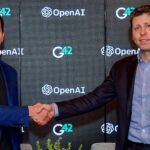
Sam Altman approaches Gulf funds for OpenAI expansion

The Daily Circuit: OpenAI seeks Gulf funds + Riyadh Air cargo

davos plea

Saudi Arabia calls for closer cooperation on critical minerals

The Daily Circuit: Saudi mineral overture at Davos + Qatar-Goldman deal

snowy streets

Gulf CEOs circulate in Davos as AI investments take center stage

GAS DIPLOMACY

ADNOC signs $3 billion LNG deal with Hindustan Petroleum

The Daily Circuit: Davos draws Gulf CEOs + UAE-India gas deal

global gabfest

Gulf states send finance chiefs, moguls to snowy Davos forum

passage to india

UAE President visits India for trade, energy and diplomacy

The Daily Circuit: Gulf financial chiefs in Davos + Masdar-Engie venture

northern exposure

Saudi group negotiates U.S. venture for Greenland minerals

SYRIAN STAKES

Qatar’s Estithmar positioning to acquire two Syrian banks

The Daily Circuit: Saudi interest in Greenland’s minerals + ADNOC eyes Venezuela

D.C. Partner

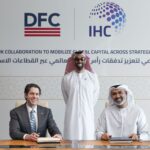
Abu Dhabi’s IHC signs deal for co-investments with U.S. agency

sand trap

Saudi sovereign fund mulls LIV Golf’s future after $5B in losses

The Daily Circuit: PIF mulls LIV Golf’s future + Altérra’s Spanish partner

PETROLEUM PARTNERS

TotalEnergies, Bahrain’s Bapco launch joint oil products venture

Quick Hits

PAYOUT PLUNGE

Aramco cuts dividend as Saudi budget pressures mount

Revenue from Aramco has long enabled the kingdom to contain its fiscal deficits, but cuts in production over the past two years have crimped oil sales

Aramco's Mazan oil and gas platform (Getty Images).

By
Omnia Al Desoukie
March 4, 2025
Share
Facebook
Twitter
Email
Add The Circuit on Google

Aramco, the world’s largest oil company, is slashing dividend payouts in the face of Saudi Arabia’s growing budget troubles.

The company, which is majority-owned by the Saudi government, said it expects to declare total dividends of $85.4 billion this year, a nearly 30% drop from the $124 billion distributed to shareholders in 2024.

Revenue from Aramco has long enabled the kingdom to contain its fiscal deficits but cuts in production over the past two years have crimped the company’s oil sales.

Aramco said its net profit fell over 12% to $106.2 billion in 2024, blaming a decline in revenue and higher operating costs.

The company’s action will most likely also affect debt issuances by Saudi Arabia, whose nearly $15 billion in bond sales this year make it the biggest borrower in emerging markets, the news agency said.

Crude sales and Aramco’s large annual payouts are central to funding Crown Prince Mohammed bin Salman’s Vision 2030 economic overhaul plan. The level of the dividend’s distribution, however, has grown beyond the company’s earnings and dried up the $27 billion in net cash it had just over a year ago.

Aramco’s profit has declined year-on-year for seven consecutive quarters, and analysts are forecasting another drop in the fourth quarter. The company’s shares have declined 3% this year.

Read More
saudi anchor

Goldman Sachs deepens ties with Saudi Arabia as PIF backs funds

Saudi Arabia has courted Goldman Sachs and other Wall Street firms as it seeks to invest its wealth and wean the economy from dependence on oil

Saudi Aramco Energy Market (Getty Images)

By
Jonathan H. Ferziger
March 4, 2025
Share
Facebook
Twitter
Email
Add The Circuit on Google

As Goldman Sachs boosts its involvement with Saudi Arabia, the kingdom is offering more support for the Wall Street investment bank.

The Saudi Public Investment Fund is set to become an anchor investor in a series of new Goldman Sachs-managed funds that focus both on the kingdom and the other five Gulf states, Bloomberg reports.

The PIF and the U.S. firm signed a draft agreement relating to the new funds – subject to regulatory approval – which will be centered on private credit and public equity strategies in the GCC region, the news agency said.

Saudi Arabia has courted Goldman Sachs and other Wall Street firms as it seeks to invest its wealth and wean the economy off its dependence on oil.

Read More
Opportunity knocks

Trump’s golden visa stirs interest among Gulf’s wealthy investors

The $5 million document's attractions include America’s relative economic stability, greater access to markets in the U.S. and the prestige of residency

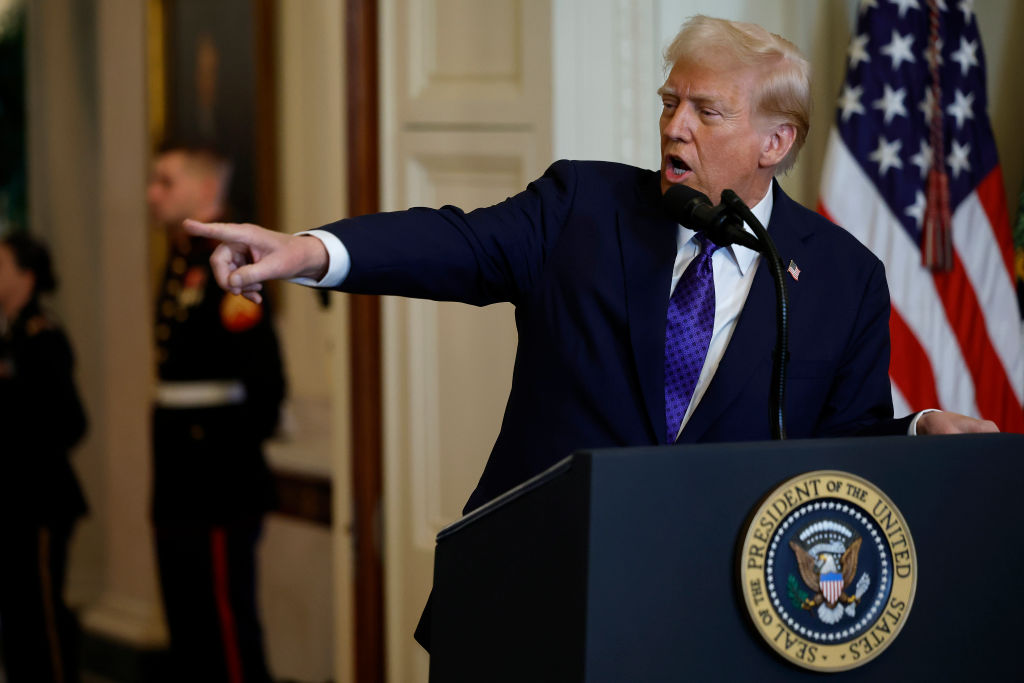
U.S. President Donald Trump takes questions at a White House news conference (Getty Images)

By
Jonathan H. Ferziger
March 3, 2025
Share
Facebook
Twitter
Email
Add The Circuit on Google

Every one of the six countries in the GCC offers its own golden visa program aimed at attracting high-net-worth foreigners to help bolster their economies.

Now Gulf investors themselves are looking into the $5 million “gold card” visa that U.S. President Donald Trump said would soon be introduced, Riyadh-based Arab News reports.

Among the attractions are America’s relative economic stability, greater access to markets in the U.S., and the prestige of residency there.

One Saudi investor told the newspaper that the Trump golden visa could strengthen economic ties between the U.S. and the Arab world while driving investments into a variety of key industries.

Read More
OIL wealth

All eyes on Aramco as world’s top oil company set to alter dividend

Crude sales and Aramco’s large annual payouts are central to funding Saudi Crown Prince Mohammed bin Salman’s Vision 2030 economic overhaul

AYEZ NURELDINE/AFP via Getty Images

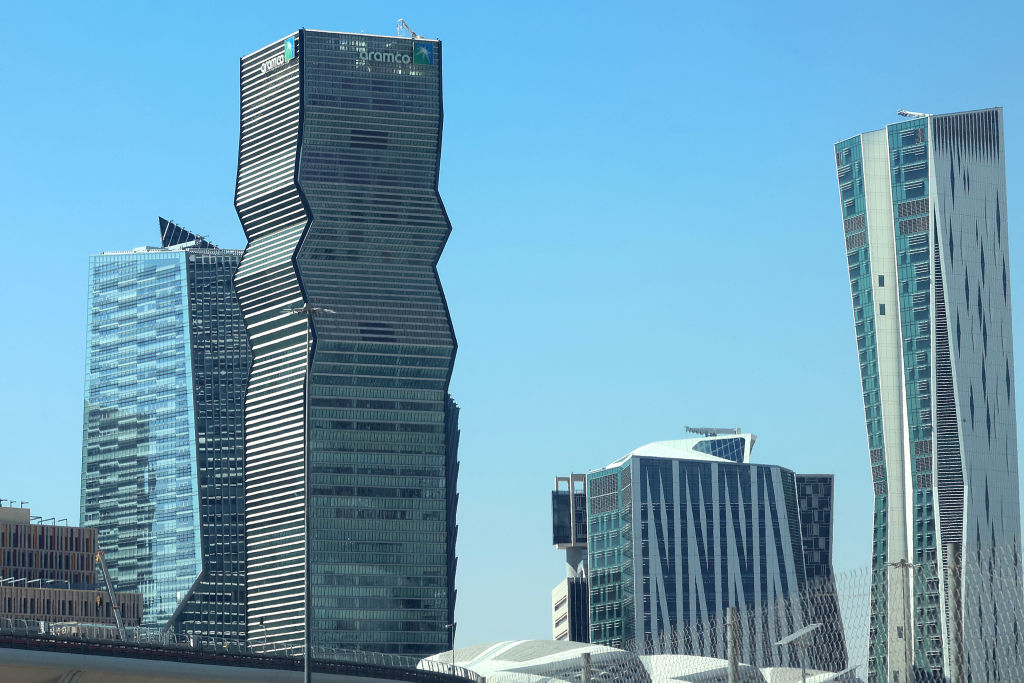
Aramco tower in Riyadh's King Abdullah Financial District

By
Jonathan H. Ferziger
March 3, 2025
Share
Facebook
Twitter
Email
Add The Circuit on Google

Investors around the world are watching Saudi Aramco, which is scheduled to announce changes on Tuesday to the way its $124 billion annual dividend gets paid out.

Two scenarios are being considered as the kingdom tries to address its weakened finances, Bloomberg reports.

Aramco, the world’s biggest oil company, could continue some elevated payments and let its balance sheet take the increasing pain. On the other hand, it could cut distribution of the dividend and risk widening the Saudi budget deficit.

The company’s action would also affect debt issuances by Saudi Arabia, whose nearly $15 billion in bond sales this year make it the biggest borrower in emerging markets, the news agency said.

Crude sales and Aramco’s large annual payouts are central to funding Crown Prince Mohammed bin Salman’s Vision 2030 economic transformation plan. The level of the dividend’s distribution, however, has grown beyond the company’s earnings and dried up the $27 billion in net cash it had just over a year ago.

Aramco’s net income has declined year-on-year for seven consecutive quarters, and analysts are forecasting another drop in the fourth quarter. The company’s shares have declined 3% this year.

Read More
Tech Chat

UAE’s Sheikh Tahnoon meets Thrive’s Josh Kushner on AI

Kushner, founder of New York-based VC Thrive Capital, invested more than $1 billion in Sam Altman's artificial intelligence firm OpenAI

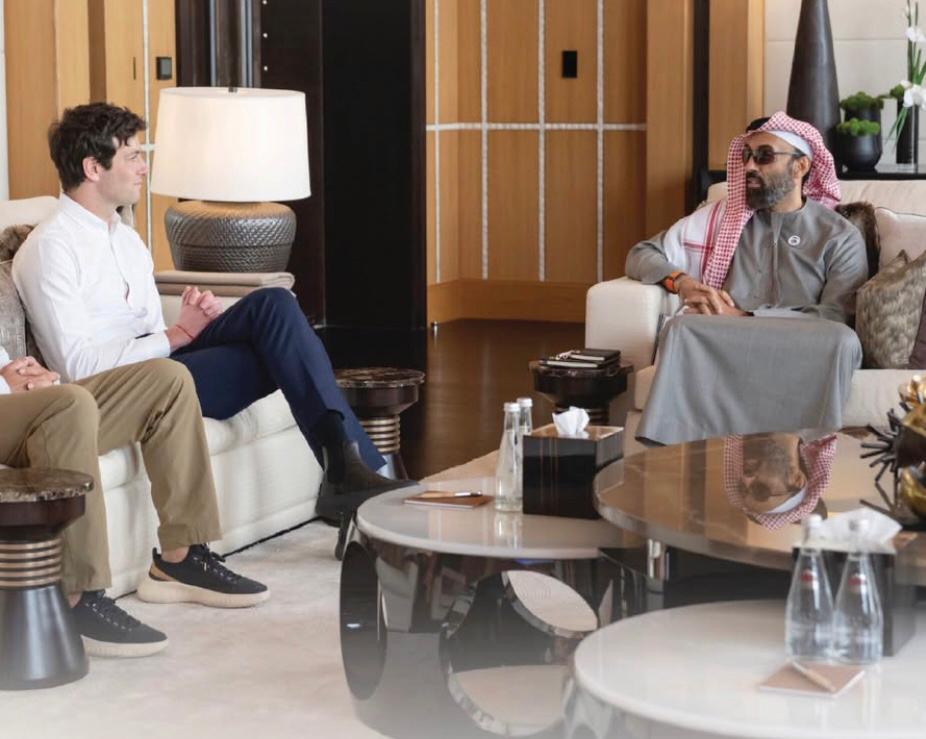
Sheikh Tahnoon bin Zayed, right, meets with Thrive Capital Founder Joshua Kushner (Instagram)

By
Jonathan H. Ferziger
March 3, 2025
Share
Facebook
Twitter
Email
Add The Circuit on Google

Sheikh Tahnoon bin Zayed, one of the UAE’s key corporate power brokers, met last week with Thrive Capital’s Josh Kushner, a major backer of Open AI.

“We discussed the latest developments in artificial intelligence and opportunities for collaboration to advance innovative technologies and solutions that support the growth and prosperity of various sectors,” Sheikh Tahnoon wrote in a Feb. 28 Instagram post.

Joshua Kushner is the founder and managing partner of New York-based Thrive, which invested more than $1 billion in OpenAI and has raised billions more for its venture capital funds. He is the brother of Jared Kushner, founder of Miami-based Affinity Partners and former White House Middle East advisor.

Sheikh Tahnoon is the UAE’s National Security Advisor, in addition to serving as Chairman of several Abu Dhabi-owned businesses that include International Holding Co., the ADQ sovereign wealth fund, Royal Group, First Abu Dhabi Bank and G42.

Read More
TOURISTS WANTED

Asfar expands Saudi tourism with hotel and entertainment projects

The company's first developments in Al Bahah and Yanbu are set to open by year-end, adding 2,000 rooms in cities that are actively seeking visitors

Sun rises over the mountains around Yanbu, Saudi Arabia (Getty Images)

By
Omnia Al Desoukie
February 27, 2025
Share
Facebook
Twitter
Email
Add The Circuit on Google

Saudi tourism startup Asfar is launching hotel and entertainment projects in Tier 2 cities to support the kingdom’s goal of becoming a top global destination.

Backed by Saudi Arabia’s Public Investment Fund, Asfar aims to extend tourist stays beyond major cities, CEO Fahad Bin Mushayt told Bloomberg.

The company’s first developments in Al Bahah and Yanbu are set to open by year-end, adding 2,000 hotel keys.

Bin Mushayt said that each of Asfar’s projects cost anywhere from $40 million to $107 million, with at least 30% of funding coming from the private sector.

Read More
CIRCUIT INTERVIEW

Family offices face generational divide over investment strategy

Obediah Ayton, founder of Family Office Summit, says tensions mount when kids want to put dad’s hard-won millions into gaming startups

Obediah Ayton, Founder of Dhabi Holding Co. (center-right), speaks on a panel at the Family Office Summit Dubai. (Family Office Summit)

By
Omnia Al Desoukie
February 26, 2025
Share
Facebook
Twitter
Email
Add The Circuit on Google

Family businesses are the foundation of wealth in the Gulf. Problems crop up when children and grandchildren have different ideas from the founders on how to invest the fortunes they generate. 

That’s what motivated Obediah Ayton, Founder of his family’s Dhabi Holding Co., to establish the annual Family Office Summit, which took place for the first year in Dubai on Tuesday.

In an interview with The Circuit, Ayton, 33, talks about the mission he’s pursued to bridge generational gaps, mitigate succession battles and make lots of money. How, for instance, does a Dubai family business built on construction deal with the judgment of the millennial children to invest millions of dollars in the red-hot gaming industry?

“They want to put money into all these new things that Dad has never made money from,” Ayton said. “He just sees it as a waste of money.”

The interview has been edited for length and clarity.

The Circuit: Why is the UAE especially suited to serve as a venue for the Family Office Summit?

Obediah Ayton:
The UAE has become a platform – the center of the world. I mean, look at Emirates Airlines. They’re kind of the peak of their brand. They are in the center of the world. I think as a financial hub, this place has become very much that. So, many families that are looking for tax incentives or just pure geopolitical neutralness, as well as a good life.

So a good destination, a good family business, seems the right place for them. Our goal in putting together this event is for local families to meet international families because they have a lot of common interests. Secondly, because private-sector businesses have a lot in common. Anywhere from establishing new joint ventures to investing in new markets, families who want to do business with families. So locals want to meet internationals, and then, obviously, internationals want to meet locals. That’s the purpose of the Family Office Summit.

How did this all begin?

It really started as a hobby of mine – a passion to bring together family businesses and people in the space. We used to do small events, 40 to 50 people over the years. Two years ago, or 18 months ago, we decided to turn it into a public brand. The purpose of that was to capture more interest from around the world. We wanted to kind of lead ourselves as the organic platform for family offices and family businesses. I like to think that we’re on track for that. 

How are family offices in the UAE shaping the investment landscape?

If you speak to people in New York, they have different terminology and descriptions for family offices than those in the UAE. It is mainly around regulation, tax, and just many years of operating in financial services. The UAE has been a big trading hub for many years. So, family businesses were typically family holding companies, where you have multiple different operating businesses. A lot of the cash and family members were very involved and hands-on with a lot of the process. When you look at families in New York, you may have a successful family that made all their money in insurance or banking. They allocate a dividend to the family office. The family office’s job is to make alpha for the family.

Over here, they’re only just starting to build that structure. So they have the family name and holding, and now they have a family office. Because places like Abu Dhabi Global Market only set up their family office license last September, it’s still a very new thing. I think we’re going to see a tremendous amount of growth. We’re seeing a lot of families from around the world move here, which is making it far more exciting, and it’s trending.

Do you think family offices here will look more into private markets over public equities?

When it comes to due diligence, they tend to be risk-averse in emerging markets, given the region’s proximity to Africa and India – some of the most populated and economically dynamic areas in the world. While currency risk is always a factor, the dirham’s peg to the dollar provides stability, and they are well-versed in managing exposure to neighboring currencies. Private markets, as I said, are their bread and butter. Public markets is actually quite exciting. I think many families now setting up a proper family structure are hiring good human capital that is building that public market exposure. So I think the public will increase. And private markets will always be of interest. Why? Because that’s all they’ve ever done.

How do family offices calculate risks and rewards within the current market?

In some of my LinkedIn posts, I’ve used the Arabic word Shura. It’s kind of like a group consensus where families get a level of diligence and security from [sovereign wealth funds such as] Mubadala or ADQ entering an industry or a market, and then the families follow. Whether it’s energy or health care, a lot of the time, the private sector diligence and risk appetite comes from the public sector leading, talking about their 2030 strategy. The families know what’s coming, and they know what to invest in in terms of infrastructure.

Are there macroeconomic trends that influence their decision-making?

Many of them have a Westernized outlook, having studied in developed markets. Data remains a key factor, especially in public markets. However, personal referrals between families play a much more significant role than people might expect.

That’s why the family office summit is quite good. It’s because we get so much demand from families saying, “Oh, we want to meet other families.” Because I think it just gives them a level of confidence. Because family businesses are teams. A family office team average here is four or five people. They’re not massive. So they need other families to look at co-investments. They need other families to give them the promise that they’re doing the right things.

What are the challenges for the different generations within family businesses when balancing their perspectives?

Legacy values. We’re focusing on local families; hence, the summit is being held in the UAE. So, local families have ginormous shareholder registries. That’s the honest truth. Big families, right? Which is always going to have complex issues, no matter what. Due to the diverse personalities involved, a lot of the infrastructure here was originally built by one member of the family.

Typically, Mom and Dad played key roles in the early development of industries like automotive, healthcare, and energy. Now, however, there are 12 different opinions to consider. The biggest challenge for the next generation is telling their parents that they want to do different things. You’ve got a family that made all of their money from one asset card. Now, the next generation wants to put money into film and entertainment. They want to put money into gaming. They want to put money into all these new things, which Dad has never made money from. So he just sees it as a waste of money.
Read More
When in Rome

UAE to invest $40 billion in Italy following MBZ’s state visit

Trip by Sheikh Mohamed bin Zayed was the first by a UAE President to Italy. Italian Prime Minister Giorgia Meloni visited Abu Dhabi in January

Italian Prime Minister Giorgia Meloni welcomes UAE President Sheikh Mohamed bin Zayed at Palazzo Chigi in Rome (Getty Images)

By
Jonathan H. Ferziger
February 25, 2025
Share
Facebook
Twitter
Email
Add The Circuit on Google

UAE President Sheikh Mohamed bin Zayed’s state visit to meet Italian Prime Minister Giorgia Meloni in Rome produced a range of deals aimed at strengthening both business and security ties between the two countries.

Emirati officials signed deals on Monday to invest $40 billion in Italy across projects ranging from artificial intelligence to undersea cables and renewable energy.

“This collaboration underscores the importance of Italy and the UAE as strategic partners for innovation, sustainable economic development and technological exchange,” the countries said in a joint statement.

Sheikh Mohamed’s trip was the first by a UAE President to Italy. Meloni visited Abu Dhabi in January.

Read More

Posts pagination

Prev 1 … 45 46 47 48 49 50 51 52 53 … 108 Next
Navigation
Home
Features
Quick Hits
The Daily Circuit
Org Charts
About
Social
Facebook
Twitter
Instagram
Subscribe
Subscribe

Copyright © 2025 · All Rights Reserved · The Circuit

Sign into your account

Email me a link to sign in

I don't have an account

Sign in or subscribe to continue to read this article

Enter your email and create a password to gain access to our exclusive content

Already a subscriber? Sign in

Unlock full access
Become a premium subscriber

Don't miss out! A paid subscription is required to access this page