

Home
Features
Quick Hits
The Daily Circuit
About
Facebook
Twitter
Instagram
Subscribe
SIGN IN
Features Quick Hits The Daily Circuit SWFs Org Charts
Facebook
Twitter
Instagram
Subscribe
SIGN IN
Search

Quick Hits

sudden stumble

Dubai’s sizzling property market drops for first time since 2020

gilded tracks

Dubai Metro lays out plans for $9B Gold Line, with 2032 debut

The Daily Circuit: Dubai housing market blinks + State Street’s Saudi ETF

DOLLAR DEAL

UAE rejects liquidity concerns while exploring U.S. currency swap

The Daily Circuit: Trump mulls UAE currency swap + Larry Fink in Abu Dhabi

CONNECTING FLIGHTS

Dubai plans Airport Express train linking DXB and Al Maktoum

OIL WOES

Kuwait suspends oil contracts again as Strait remains blocked

great expectations

UAE’s Al Olama hails tech ties with Musk in Instagram post

The Daily Circuit: Kuwait oil woes worsen + Riyadh Air eyes Madrid

helping hand

UAE eyes currency support from U.S. if war disruptions deepen

FOLLOW THE MONEY

Saudi Arabia commits to wage battle against money laundering

The Daily Circuit: UAE contingency planning + AIQ’s North American push

The Daily Circuit: PIF sells top football team + Gulf faces economic fallout

TEED OFF

Saudi PIF weighs pulling funding from LIV Golf amid heavy losses

mideast track

UAE and Jordan sign $2.3 billion deal to develop Aqaba rail link

The Daily Circuit: LIV Golf’s cloudy future + UAE-Jordan rail deal

security concerns

Mideast conflict stokes Gulf investment in defense, energy

The Daily Circuit: Gulf invests in defense + Lucid gets $750M

CLOUDY FORECAST

IMF cuts MENA growth outlook as war disrupts trade, energy

slow recovery

UAE tourism urged to ‘reinvent itself’ as war hits visitor numbers

Quick Hits

CIRCUIT INTERVIEW

Red Sea Global brings luxury eco-tourism to Saudi Arabia’s beaches

In an interview with the Circuit, investment chief Gregory Djerejian says the company's vision is to offer 'barefoot luxury in a regenerative tourism style'
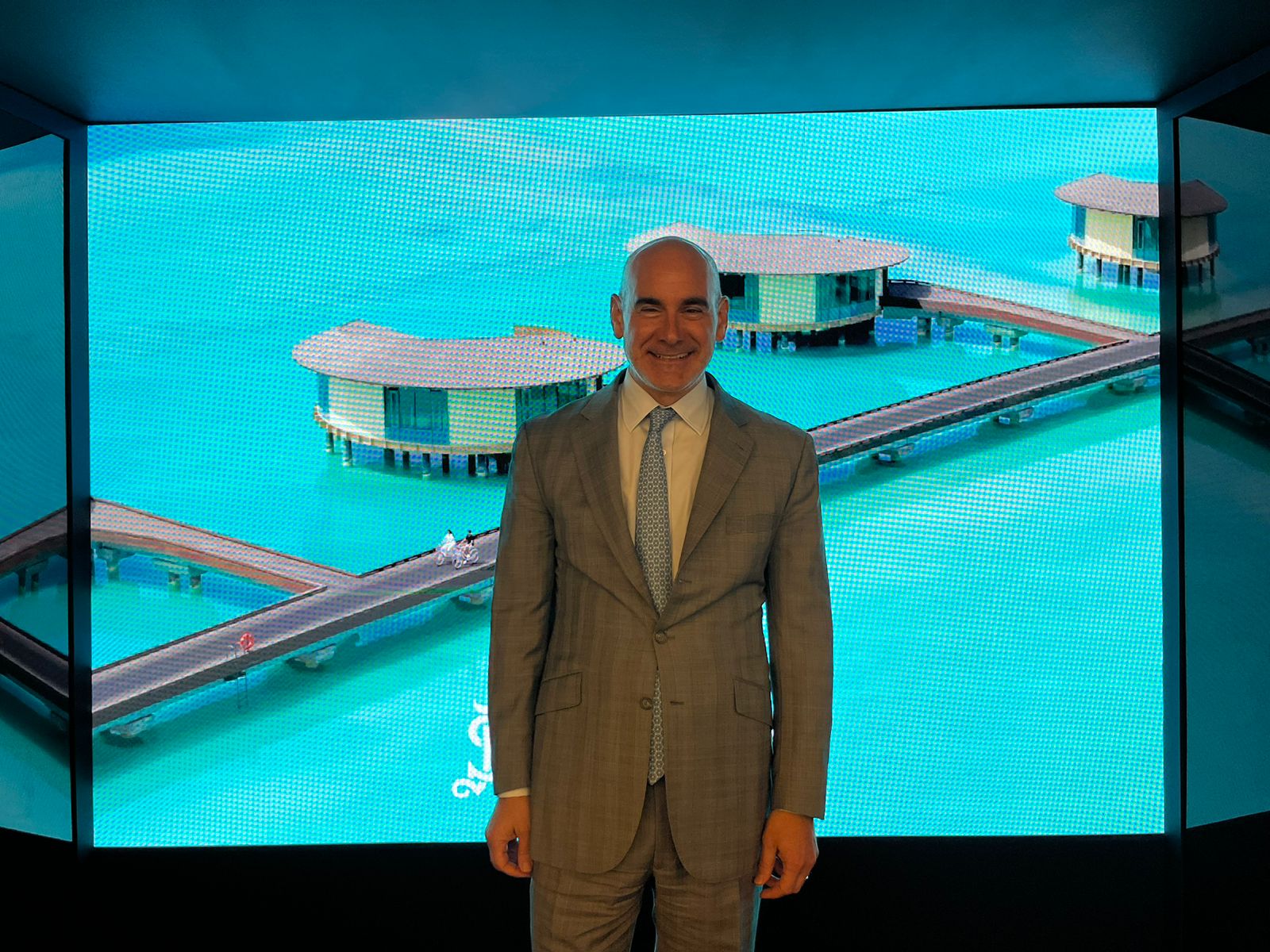
Gregory Djerejian, Red Sea Global Chief Legal Officer and Head of Investments, at FII conference in Riyadh

By
Omnia Al Desoukie
November 1, 2024
Share
Facebook
Twitter
Email
Add The Circuit on Google

Red Sea Global is the linchpin in Saudi Arabia’s effort to turn the beaches on its western coast into a playground of luxury tourism and a beacon of sustainability.

Wholly owned by the kingdom’s Public Investment Fund, the company has opened resorts in 2024 under the St. Regis, Ritz-Carlton, Six Senses and Shebara brands. Over the next year, it plans to launch 17 new hotels in the new AMAALA development and elsewhere along the coral-laden shores of the Red Sea.

Under the PIF sovereign wealth fund’s umbrella, Red Sea Global works separately from Saudi Arabia’s $1 trillion-plus Neom mega-project, which staged a star-studded debut for its Sindalah Island resort last week. The lavish party brought out actor Will Smith, Grammy Award singer Alicia Keys, tennis champ Rafael Nadal and former NFL quarterback Tom Brady.

In an interview with The Circuit on Thursday at the Future Investment Initiative conference in Riyadh, Gregory Djerejian, Red Sea Global’s Chief Legal Officer and Head of Investments, said Saudi Arabia wants to dazzle travelers with a mix of high-end leisure activities tempered by a commitment to environmental sustainability.

What are Red Sea Global’s plans for transforming tourism in Saudi Arabia?

The vision for Red Sea is to offer barefoot luxury in a regenerative tourism style, where visitors experience nature in a pristine way, introducing them to the beauty of the Red Sea. This appeals to tourists who may not have associated Saudi Arabia with luxury or environmentally friendly tourism before. AMAALA is slightly different; it has a varied topography with dramatic cliffs and three natural bays, so it will offer a different vibe with a wellness focus. We’ll have a wellness hub there featuring brands like Clinique La Prairie, Jayasom, and others. So, while the Red Sea focuses on luxury tourism, Amaala will be more wellness-centered. That’s the big picture of how the next two to three years will play out.

What is the potential market for all of this?

I have been here for two and a half years, and it’s staggering to see the 1,700 kilometers (1,050 miles) of untouched coastline on the Saudi side. The vision of our chairman, His Royal Highness Crown Prince [Mohammed bin Salman], is to develop this coastline in a very environmentally-sensitive and selective way. This tourism offering is compelling as it repositions and introduces Saudi Arabia as a new tourism destination, beyond Hajj tourism and business travel.

Who do you expect to be your clientele?

We expect a lot of curiosity seekers from Saudi Arabia and the GCC, followed by European holidaymakers. The exceptional product we’ve created is also just a four-to-five-hour flight from cities like London with minimal time difference. Additionally, the China and India markets are huge, and our world-class offering will likely attract curiosity seekers from North and South America.

How will you contribute to improving the Saudi economy?

The vision of His Royal Highness is to diversify the economy beyond hydrocarbons. As tourism contributes around 10% to global GDP in many countries, it has huge potential in Saudi Arabia to build on existing Hajj and business tourism. This new tourism offering will also have multiplier effects by creating many direct, indirect, and imputed jobs… especially for younger Saudis who may not have had the chance to attend college. The leisure tourism and hospitality industry can provide opportunities for those without a college education.

What are the opportunities for investors interested in partnering with you?

We offer many investment opportunities. We’ve done two joint ventures: one with Kingdom Holding, part of Prince Alwaleed’s group, for our Four Seasons hotel on Shore Island, opening at the end of next year, and another with the Mutlaq Group for the Jumeirah Hotel. Beyond hotel partnerships, there are other opportunities in infrastructure and ecosystem investments. For example, we’ll soon be offering staff accommodation and construction village investments. Logistics, warehousing, and residential offerings also present options.

Yesterday, we held a signing ceremony for the financial close of our multi-utility concessions for AMAALA…  providing a 100% off-grid, 100% renewable energy solution. With 750,000 solar panels in use, we’ll have one of the world’s largest battery storage facilities. Investing with us also means investing in green energy.

What are the environmental implications of all this construction?

While I’m not a scientist, we conducted an extensive marine study that served as a baseline, allowing us to understand the ecosystem we’re working in. Our CEO likes to say we’re moving beyond sustainability – not just leaving the place as we found it but aiming to improve it over time.
Read More
shaking hands

Saudi FII conference winds down, spawning billions in deals

Among the most watched tie-ups was the Public Investment Fund's agreement to back Brookfield Asset Management’s $2 billion Mideast fund

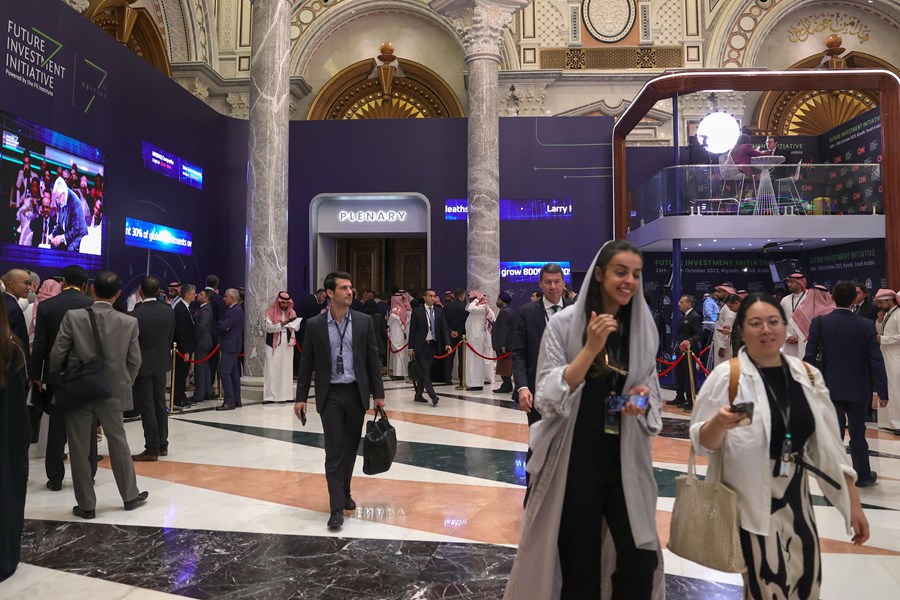
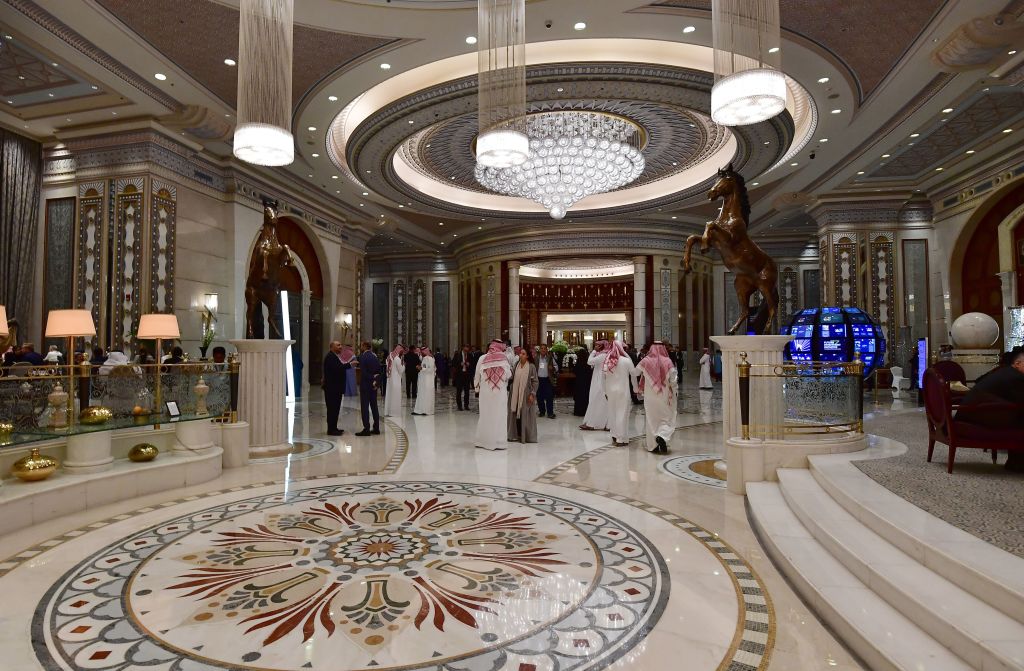
The lobby of the Ritz Carlton hotel in Riyadh (Getty Images)

By
Jonathan H. Ferziger
Omnia Al Desoukie
October 31, 2024
Share
Facebook
Twitter
Email
Add The Circuit on Google

After three days of working the vast marble halls and plush meeting rooms of the Ritz Carlton Hotel in Riyadh, corporate chiefs are shaking hands on billions of dollars in deals arranged at Saudi Arabia’s annual Future Investment conference.

With FII’s outgoing CEO Richard Attias estimating that the conference would spawn some $28 billion in investments, executives from Wall Street, the Gulf, China and elsewhere vied for attention in announcing their latest deals.

Among the most watched tie-ups was the preliminary agreement announced by the Saudi Public Investment Fund to back Brookfield Asset Management’s new $2 billion Middle East fund, boosting the Canadian investment firm’s ability to finance deals in the Gulf.

New York-based Z Capital Group pledged as much as $2 billion for investments in Saudi Arabia, Bloomberg reports. It said the bank will launch a direct lending fund with approximately $1 billion early next year that offers senior secured and asset-backed loans to small and medium-sized businesses.

The National Bank of Kuwait signed $1.6 billion in deals at the FII conference, including a $690 million agreement with ACWA Power to support the Saudi energy and desalination company’s expansion plans in and outside the kingdom, KUNA reports.

Read More
The Daily Circuit

The Daily Circuit: Saudi business conference tallies billions in deals

By
Jonathan H. Ferziger
October 31, 2024
Share
Facebook
Twitter
Email
Add The Circuit on Google

👋 Hello from the Middle East!

In the Daily Circuit today, we’re looking at Day 3 of the Future Investment Initiative conference in Riyadh, the Saudi Public Investment Fund’s deal with Canada’s Brookfield Asset Managment, ACWA Power’s $690 million financing deal from Kuwait and ADQ’s acquisition of a minority stake in Sotheby’s auction house.

After three days of working the vast marble halls and plush meeting rooms of the Ritz Carlton Hotel in Riyadh, corporate chiefs are shaking hands on billions of dollars in deals arranged at Saudi Arabia’s annual Future Investment conference.

With FII’s outgoing CEO Richard Attias estimating that the conference would spawn some $28 billion in investments, executives from Wall Street, the Gulf, China and elsewhere vied for attention in announcing their latest deals.

Among the most watched tie-ups was the preliminary agreement announced by the Saudi Public Investment Fund to back Brookfield Asset Management’s new $2 billion Middle East fund, boosting the Canadian investment firm’s ability to finance deals in the Gulf.

New York-based Z Capital Group pledged as much as $2 billion for investments in Saudi Arabia, Bloomberg reports. It said the bank will launch a direct lending fund with approximately $1 billion early next year that offers senior secured and asset-backed loans to small and medium-sized businesses.

The National Bank of Kuwait signed $1.6 billion in deals at the FII conference, including a $690 million agreement with ACWA Power to support the Saudi energy and desalination company’s expansion plans in and outside the kingdom, KUNA reports.

Throughout this week, The Circuit’s Jonathan Ferziger and Omnia Al Desoukie have been on the conference floor, bringing you the deals, insights and chatter emanating from FII. We would like to know your thoughts and receive your feedback. You can reach us by replying to this newsletter or emailing us at [email protected].

Follow us on WhatsApp
Follow US ON TELEGRAM

CIRCUIT INTERVIEW

ACWA Power works to cut desalination costs, fossil fuel use

ACWA Power, the Saudi power and desalination company that operates in more than a dozen countries across the Middle East, Africa and Asia, says it has cut energy consumption by 80% over the past decade while reducing its use of fossil fuels, The Circuit’s Omnia Al Desoukie reports.

With its main offices in Riyadh and Jeddah, ACWA Power started moving away from conventional thermal plants two decades ago to adopt more efficient membrane technology. It devotes formidable resources to research and development to address water scarcity in some of the world’s most arid regions. At the FII conference, the company signed a $690 million financing deal with the National Bank of Kuwait.

In an interview with The Circuit, ACWA Power Executive Vice President for Innovation & New Technology Thomas Altmann talks about the company’s efforts to bring down the cost of desalination while embracing hydrogen and other more sustainable sources of energy.

Click here to read the full interview.

Share
Facebook
Twitter
Email

💲 Sovereign Circuit

Public Investment Fund: PIF-owned Riyadh Air, Saudi Arabia’s budding new national carrier, has ordered 60 Airbus narrowbody A321 jets with a value of approximately $4 billion as it prepares to start commercial flights next year, Reuters reports.

ADQ: The Abu Dhabi sovereign wealth fund completed its deal to take a minority stake in Sotheby’s, joining owner Patrick Drahi in providing the auction house with a cash infusion of approximately $1 billion, Bloomberg reports.

Mubadala: Investcorp Holdings, the Bahrain-based alternative investment firm backed by the UAE’s Mubadala sovereign wealth fund, has completed three deals through a new $1 billion investment fund established with China Investment Corp., Investcorp Chief Investment Officer Rishi Kapoor told Bloomberg.

↪↩ Closing Circuit

🌀 Green Hydrogen: Morocco’s Ministry of Energy Transition and Sustainable Development has signed a $1 billion agreement with France’s TotalEnergies to produce green hydrogen in the Guelmim-Oued Noun region, leveraging Morocco’s solar and wind resources, Sabah Agadir reported.

🚝 Train Ride: King Abdullah Financial District Development and Management Company announced a construction agreement with a consortium led by China’s CRRC Nanjing Puzhen and Hassan Allam Construction Saudi, for a 3.6-kilometer monorail project in Riyadh.

🔒 Data Guard: MIND, an Israeli startup that uses AI to detect and prevent data leaks, raised $11 million in seed funding round led by YL Ventures.

🗣 Circuit Chatter

📈 ETF Trade: Saudi Arabia’s first ETFs that track the shares of Hong Kong-listed companies began trading on Wednesday on the Saudi Stock Exchange, with $1.2 billion raised at the launch.

🛢️ Risky Business: The Dubai International Financial Centre has suspended multiple companies that people familiar with the matter say are part of a network overseen by Iranian oil trader Hossein Shamkhani, Bloomberg reports.

⛏️ Copper Talks: Saudi Arabia is in advanced negotiations over a stake in a copper mine in Zambia and expects a deal by the end of the year, Robert Wilt, the CEO of Saudi mining company Ma’aden, told Reuters.

🌍 Power Circuit

Sheikh Khaled bin Mohamed bin Zayed, Crown Prince of Abu Dhabi, visited AI Singapore, meeting with executive management to discuss efforts supporting research, startups and local talent development to build an integrated AI ecosystem.

Pakistani Prime Minister Muhammad Shehbaz Sharifheld a meeting with Saudi Minister of Investment Khalid Al-Falih on Wednesday on the sidelines of the FII conference, where they discussed some $2.8 billion in trade deals between the two countries.

➿ On the Circuit

Princess Reema bint Bandar, Saudi Arabia’s ambassador to the U.S., addressed the FII conference on Wednesday about the need to preserve marine environments and the importance of the world’s oceans to the global economy.

Mohammed Aldekmary has been appointed CEO of ZCG Arabia to lead the new Riyadh office and oversee activities in asset management, consulting and technology.

🗓️ Ahead on The Circuit

Oct. 31, Abu Dhabi, UAE: Transition Investment Workshop. NYU Abu Dhabi’s Transition Investment Lab holds a day of discussions on aligning investment decisions with social values. NYU Abu Dhabi, East Forum.

Nov 4-7, Abu Dhabi, UAE: ADIPEC. The event is the biggest gathering for energy leaders, policy makers, and key industry players. It is often attended by heads of multilateral organizations, ADNEC.

Nov. 12-13, Abu Dhabi, UAE: CyberQ: Security in the Quantum Era. Brings together international experts, key policymakers and industry players to discuss challenges in the quantum age of cybersecurity. ADNEC.

Dec. 5-6, Abu Dhabi: Milken Institute Middle East and Africa Summit. Corporate executives, investors, government officials, and philanthropists gather to address the globe’s most pressing issues. St. Regis Saadiyat Island.

Dec. 5-8, Abu Dhabi: Abu Dhabi Grand Prix 2024. World’s fastest race drivers compete in Abu Dhabi leg of the Formula One season. Yas Marina Circuit.

Dec . 9-10, Abu Dhabi: The Bitcoin Conference. The conference connects with industry leaders, and experiences a dynamic expo hall featuring a fusion of technology and art. ADNEC.

Dec. 9-12, Abu Dhabi: Abu Dhabi Finance Week. Market experts and entrepreneurs from all over the world discuss the latest market trends. Al Maryah Island, ADGM Square.

Read More
WATER WORKS

ACWA Power works to cut desalination costs, fossil fuel use

In an interview with The Circuit, innovation chief Thomas Altmann talks about how the Saudi company uses AI and hydrogen to battle water scarcity

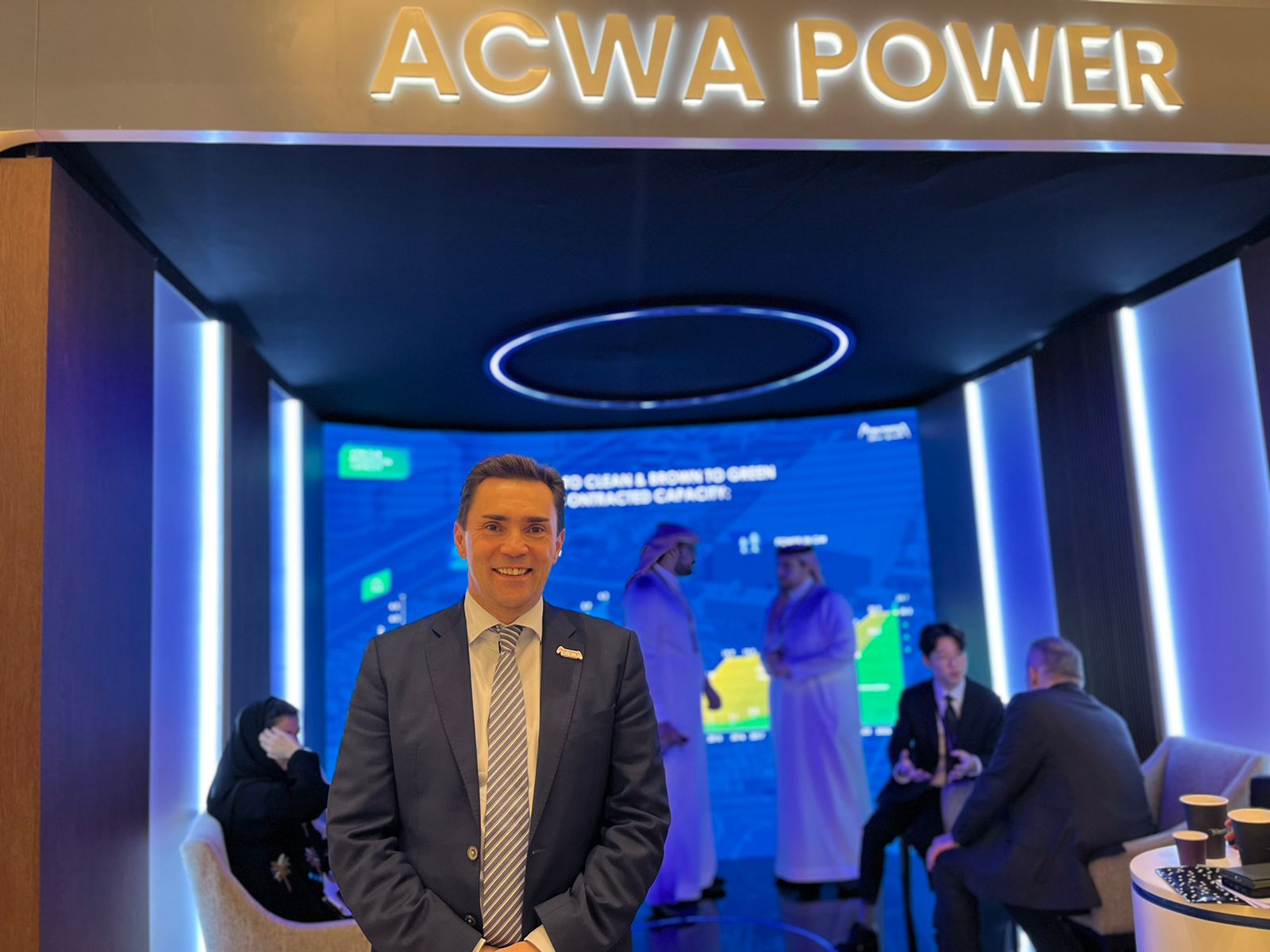
ACWA Power Executive Vice President for Innovation & New Technology Thomas Altmann (Photo: Omnia Al Desoukie)

By
Omnia Al Desoukie
October 31, 2024
Share
Facebook
Twitter
Email
Add The Circuit on Google

ACWA Power, the Saudi electricity and desalination company that operates in more than a dozen countries across the Middle East, Africa and Asia, says it has cut energy consumption by 80% over the past decade while reducing its use of fossil fuels.

With its main offices in Riyadh and Jeddah, ACWA Power started moving away from conventional thermal plants two decades ago to adopt more efficient membrane technology. It devotes formidable resources to research and development to address water scarcity in some of the world’s most arid regions.

Backed by Saudi Arabia’s Public Investment Fund, Sanabil Investments and a cohort of private investors, ACWA Power employs 4,000 people and holds a portfolio of assets worth $93 billion and trades on the Tadawul stock exchange in Riyadh. The company operates across Saudi Arabia, as well as in the UAE, Oman, Egypt, Jordan, Morocco, South Africa, Turkey, Azerbaijan, Uzbekistan, China, Indonesia and Vietnam.

In an interview with The Circuit, ACWA Power’s Executive Vice President for Innovation & New Technology Thomas Altmann talks about the company’s efforts to bring down the cost of desalination while embracing hydrogen and other more sustainable sources of energy.

Given the global challenge of water scarcity,, what advancements in desalination technology are most promising and how is ACWA Power contributing to innovation?

ACWA Power, since its inception, has been  innovating from day one to become what it is today. The most prominent example is when we entered the market in Saudi Arabia in 2005 [and] it was dominated by thermal desalination. In our first bid, which was [at the Red Sea port of] Shuaiba, we had to use thermal technology. But in the second opportunity, we pushed back and requested to keep the technology open, and it happened. So we were not forced to use a certain technology. We were allowed to innovate and we basically brought large-scale membrane technology to Saudi Arabia.

The result was dramatic because we reduced energy consumption significantly. For more than a decade we have reduced the energy consumption, and at the same time, the carbon footprint of a desalination plant by more than 80% and this is innovation in action. We had a significant impact in reducing tariffs [and prices]. The desalination tariffs went down to less than half. We have the lowest desalination tariffs in the world.

How is ACWA Power making  desalination more sustainable and energy-efficient in the region?

First of all, we reduced the carbon footprint by threefold. Also in a different initiative, we are reducing chemical consumption, not only energy consumption. We have several initiatives. One is based on a technology innovation where we replaced certain chemicals, which can be more harmful than others. We reduced them or eliminated them, and we have a patented technology to use carbon dioxide to inject into the seawater rather than organic chemicals from suppliers. The second initiative is we started introducing AI and machine learning in our plants. We have developed the first algorithm in-house with the objective to reduce dosing of chemicals. After deploying the algorithm for one chemical in one plant, we saved 12% on chemicals.

What are the challenges for desalinating water now as we are moving into energy transition? 

Most of our desalination plans receive power from the grid. The grid in Saudi Arabia, for example, is still dependent on fossil fuel. So we have a research project at ACWA Power to help us understand how we can get to the point to have… a green water, 100% renewable-driven water desalination. 

We have done this already on our hydrogen project. We have a 100% renewable-driven hydrogen plant in Saudi Arabia. So now there is no reason why we cannot do desalination. So we have done a lot of studies. The three key components to make it happen is number one, we have a very low-cost renewable energy source. We have many gigawatts, and we have the lowest tariffs in the world. The second component is to reduce energy consumption in desalination. Now the factor that is missing is solar and wind power. They are intermittent. They don’t operate the whole day, 24 hours, just when the sun is shining. Wind is often available just for eight hours day. So we can mix. We need a battery. ACWA Power was able to excel on the battery side. In our Red Sea project, we have probably still the largest battery for energy storage in the world. So these factors together help us to think about a 100% renewable energy-based desalination plant without increasing the cost. This is the key.

The fourth component is artificial intelligence and automation. So we are increasing the level of automation. We are increasing artificial intelligence. We have several projects. We have several AI projects in the company. Also on the solar side, we are using many robotic systems for cleaning the PV panels. So we also have embarked on a project, which uses AI technologies we need in the desalination plant to convert it to 100% fully automated.

Are there any innovative initiatives that ACWA Power is taking that could be used around the region?

First of all our approach is: we are embracing open innovation. We are trying to convince all our partners and all our stakeholders and market participants to open up and to work more in a collaborative open innovation environment where we share ideas, where we share resources, and then the whole sector will make more progress. 

There’s always, of course, certain specific things which you have good ideas, but you can patent them, but you can still share, and this sharing is very beneficial for everybody. We are not a manufacturer of any equipment, so we are very open. We can work with everybody. We are bringing a lot of technology companies from China which are very helpful. In order to support and to foster the local innovation ecosystem. We have created the ACWA power innovation days. The last one was in January this year in KAUST University, which was a big success with more than 500 people and many online. Next year we will do the third edition which will be attracting 1000 people. 

What are the key trends in terms of desalination that we are witnessing in the region?

Our initiative so far was to make the best commercially available technology and bring it to the absolute limit. ACWA Power can push technologies to the limits, while still being reliable, safe and sustainable.  So we have several tracks. One track is to apply the latest technologies in the best possible way and produce the lowest tariffs and the lowest energy consumption. This is [the technology of] reverse osmosis. We have a second track, which is the innovation track.

We are engaging with startups. There’s one from Spain [with which we] have signed an exclusive agreement. They have a disruptive desalination technology which is not based on membranes, which has the potential to reduce energy, not by 3% but by 25%. We are building a pilot plant, together with King Abdullah City for Science and Technology. Our ambition is to create a new Guinness record for desalination power consumption in the first quarter of next year. But in innovation, we cannot promise. We feel positive that we can deliver, but there’s no guarantee. We do it to stay competitive. 

Read More
NEXT FRONTIER

AI tech talk dominates discussions at Saudi gathering

Government finance leaders say dipping oil revenue and regional conflict have not diminished investor interest in Middle East’s biggest economy

Future Investment Initiative

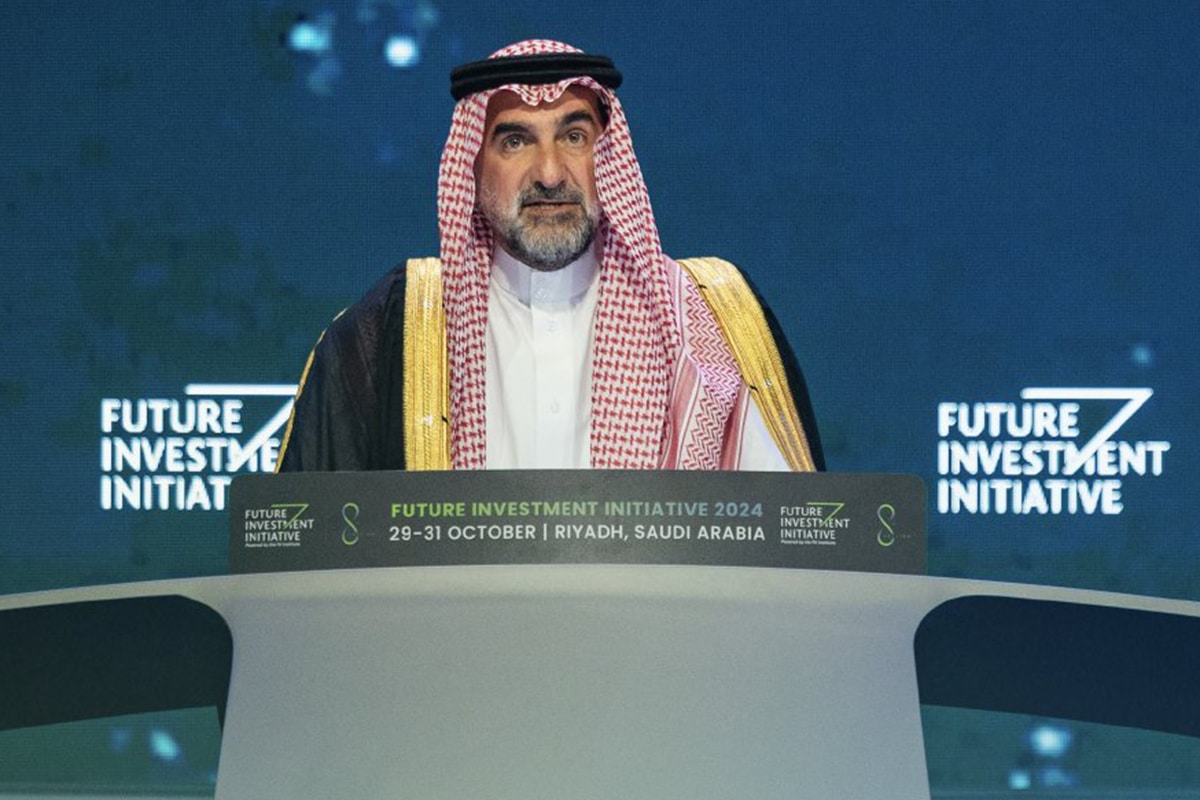
Public Investment Fund Governor Yasir Al Rumayyan speaks at FII conference in Riyadh

By
Jonathan H. Ferziger
Omnia Al Desoukie
October 30, 2024
Share
Facebook
Twitter
Email
Add The Circuit on Google

From multibillion-dollar investments in car manufacturing and home construction to underwriting new frontiers in artificial intelligence, Saudi Arabia is sketching out its growing global ambitions at this year’s Future Investment Initiative conference.

The event’s first two days at Riyadh’s King Abdul Aziz International Conference Center offered more than a dozen sessions on the prospects for AI technology transforming world commerce.

Among those weighing in were Alex Clavel, Co-CEO of Softbank Vision Funds; Hani Enaya, Chief Investment officer of Saudi Arabia’s Sanabil Investments; Julie Sweet, Chair and CEO of Accenture; former Google chief Eric Schmidt and Tesla founder Elon Musk (by remote video feed).

Amid reports that the kingdom’s Public Investment Fund is in talks to team up with Silicon Valley’s Andreessen Horowitz on a $40 billion fund focused on AI, PIF Governor Yasser Al Rumayyan said he expects Saudi Arabia to turn into a regional hub for the technology.

“Artificial general intelligence marks the next frontier, promising machines capable of problem solving and driving productivities that will impact every sector from health care to energy,” he told the conference.

As in the previous seven years, FII’s 2024 edition has brought some of the world’s most prominent financiers to Riyadh, including former U.S. Treasury Secretary Steven Mnuchin, who founded Liberty Strategic Capital after leaving office with funds from Saudi Arabia, Qatar and the UAE.

In the main conference halls, mammoth AI-generated avatars questioned some of the panels and aN hologram doctor discussed fielded intimate medical questions at one of the many booths sponsored by technology companies. Among the many freebies offered FII participants, on the other hand, were decidedly low-tech baskets of dates, body scrubs and hair oil handed out by Saudi Arabia’s National Center for Palms and Dates.

Saudi Finance Minister Mohammed Al-Jadaan said dipping oil revenue and concern about regional conflicts have not diminished interest in the Middle East’s biggest economy.

“Investors are investing in Saudi Arabia despite all the geopolitical tensions because Saudi plays a very important role as the anchor of stability,” Al-Jadaan said. “What the investors want is to be a part of the national transformation that is taking place.”

Read More
CIRCUIT INTERVIEW

ROSHN seeks to transform Saudi market with upscale housing

Senior Director of Strategy and Planning Waleed Bawaked and Program Management Director Roger Fatovic outline ROSHN’s blueprint for growth in kingdom and abroad

ROSHN’s Waleed Bawaked, Senior Director of Strategy and Planning, and Roger Fatovic, Executive Director of Program Management, at Future Investment Initiative conference in Riyadh

By
Omnia Al Desoukie
October 30, 2024
Share
Facebook
Twitter
Email
Add The Circuit on Google

As Saudi Arabia broadens its economy beyond dependence on oil, the kingdom has sought to create a business environment that acts as a magnet for international investment.

Central to the mission is state-owned real estate developer ROSHN, which has started to seed greater metropolitan Riyadh and other urban areas with upscale residential communities aimed at both Saudi and expat professionals.

The emerging neighborhoods cater to families by incorporating schools, parks, mosques, supermarkets and retail shops into the developments amid tens of thousands of homes.

In an interview with The Circuit, ROSHN’s Waleed Bawaked, Senior Director of Strategy and Planning, and Roger Fatovic, Executive Director of Program Management, outline the company’s blueprint for growth – first across Saudi Arabia and ultimately through expansion abroad.

ROSHN was established in 2020 by the Saudi Public Investment Fund and has raised $4.3 billion in the past two years. Its flagship project, Sedra, will contain 30,000 residential units on a plot of land measuring 20 million square meters and located near Riyadh’s King Khaled International Airport.
The company has also announced projects in Jeddah, Mecca and Dammam.

Are you expecting a boom in the Saudi real estate industry?

Waleed Bawaked: We are already seeing this, particularly in Riyadh, where demand and prices are rising. We are striving to support the market, and with the country’s broader aims, real estate will continue booming and contribute to sustained profitability.

Roger Fatovic: Saudi Arabia is a significant market with around 30 million people, including expatriates. With 22 to 23 million Saudis, it’s the largest market in the GCC and has the fastest-growing population. It is flowing. 

What is your strategy for reaching your goals?

Bawaked: Our mandate is to redefine and reshape the real estate sector in the country. We are mainly contributing to one of the key visions, focusing on quality of life, and this is our way of doing it. So, ROSHN was created to support the development of integrated communities, redefining what the locals and residents of Saudi Arabia should expect in a residence. We aim to provide communities supported by diverse assets within walking distance, incorporating the latest technology and ensuring sustainability from an environmental standpoint.

How do you determine which projects are worth moving forward with for implementation?

Fatovic: Our core business, one of the key focuses, is large residential and master-planned communities – complete turnkey solutions. So we don’t just build 100 villas here and 100 villas there. We do the villas, schools, mosques, parks, and all the supporting developments. This includes commercial spaces, retail, leisure, and hospitality. Our entry point is around 2,500 to 3,000 units ; we find that’s the number we need to achieve critical mass for schools, retail, and healthcare.

What factors guide your decision to prioritize a specific area for project development and implementation?

Bawaked: We’ve been mandated to focus on select regions and cities, mainly because these areas encompass over 80% of the population and are key economic anchors. We recognize a strong demand with a shortage of good-quality supply, which serves as our entry point. Within these cities, we leverage data analytics to understand urban growth trends, target market segments, and tailor our projects accordingly. As a profit-driven company, we aim to meet the needs of specific market segments. For example, in areas with higher income levels, our product offerings vary accordingly. Throughout the process, we ensure engagement from both the private and public sectors to shape the area’s future, accounting for other upcoming projects, connectivity, and customer preferences. This approach helps us design and build with a clear understanding of what will elevate our target segment’s experience.

How is the market shaping up for luxury real estate in Saudi Arabia? Are we seeing increased demand, and is it driven more by local or international interest?

Bawaked: I think it’s a bit of both, stemming from significant investment in Saudi, whether in projects or human capital. We see many Saudis in higher positions with substantial incomes seeking premium products locally. Externally, various government-led initiatives, as well as efforts by the Ministry of Investment and PIF, are attracting foreign direct investment and talent, which creates demand for premium and luxury offerings.

Is there a particular project you’ve implemented in Saudi Arabia that you’re interested in replicating?

Fatovic: We are doing that all over Saudi Arabia at the moment. A prime example is Sedra, our first and landmark project. ROSHN was the first PIF entity to generate revenue, sell to end-users, and hand over properties to end-users. Sedra, located near the airport, will see around 4,000 units handed over to end-users by the end of this year. For us, it’s about continuous improvement. We’ve learned from Sedra one, applied those lessons to Sedra two, Al Rus in Jeddah, and the Dammam project. It’s always about learning what works in the market and building on it for our future projects.

Have you considered expanding your efforts beyond Saudi Arabia?

Bawaked: At the moment, our focus is mainly on Saudi Arabia. We envision ROSHN as a leading real estate developer, not only locally but on a global scale. Right now, however, we have enough to deliver within the local market.

How do you assess whether a project has the potential to be profitable?

Bawaked: We work closely with external advisors and consultants to help us understand the market in terms of supply and demand, and we conduct feasibility and financial studies to meet specific ROI thresholds. Of course, we’re aware that market dynamics can change, so we proceed cautiously, adjusting our approach as needed to align with market perceptions and enhance our projects accordingly.

Fatovic: We maintain a continuous feedback loop, especially in the early stages of a project, involving Waleed’s team, development, and delivery. Once land is identified, we determine its highest and best use. We use many external consultants, but after five years, I don’t think there’s a consultant with a better cost database for residential development than we have. It’s a constant feedback loop involving strategy, development, construction, cost validation, and revenue assessment to decide the optimal product.

Read More
TIME TO PAY

Saudi leaders say investors should put money into kingdom

Economic overhaul has unleashed torrent of construction, which has soaked up Saudi funds and prompted new emphasis on foreign investment

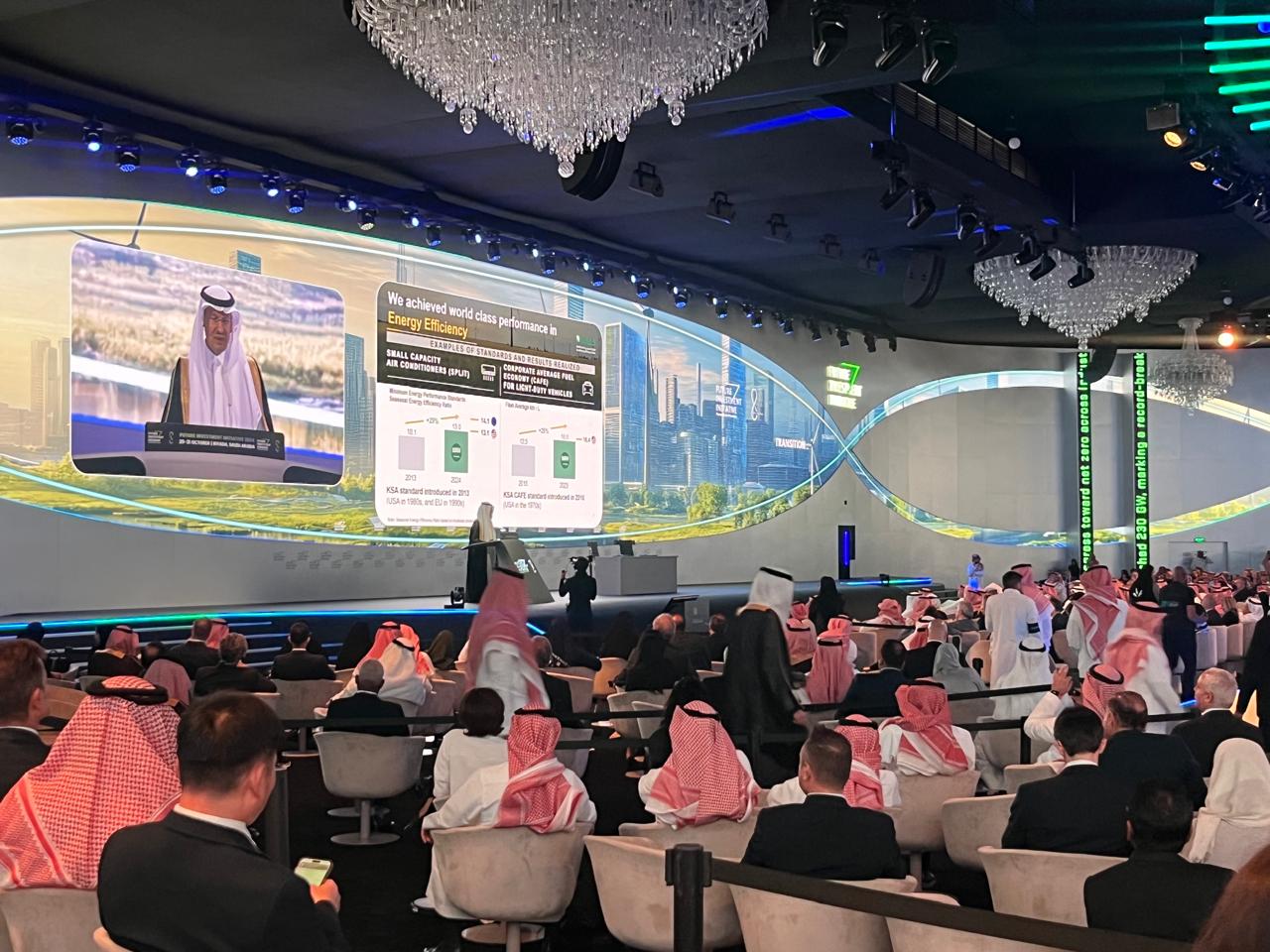
Saudi Energy Minister Prince Abdulaziz bin Salman addresses FII conference (Photo: Omnia Al Desoukie)

By
Jonathan H. Ferziger
Omnia Al Desoukie
October 29, 2024
Share
Facebook
Twitter
Email
Add The Circuit on Google

Saudi Arabia is shifting gears, emphasizing its own needs for foreign capital over investing the kingdom’s wealth abroad.

That’s the message being delivered this week to some 7,100 participants from across the finance world at the eighth annual edition of the Future Investment Initiative.

Addressing a packed hall at the King Abdul Aziz International Conference Center in Riyadh’s diplomatic quarter on Tuesday, Saudi leaders put it simply:

“People used to come to us and ask for money,” said Yasir Al Rumayyan, Governor of the kingdom’s near trillion-dollar Public Investment Fund and Chairman of Saudi Aramco, the world’s largest oil company. “We are now seeing a shift from people wanting to take our money to people wanting to co-invest.”

Since its inception in 2017, the FII conference has been a key tool for outlining Saudi Crown Prince Muhammed bin Salman’s Vision 2030 blueprint for overhauling the economy to reduce its dependence on fossil fuels. That strategy has unleashed a torrent of construction projects across the country, including the $1.5 trillion Neom development on the kingdom’s west coast, which have soaked up Saudi funds and prompted the new emphasis on foreign investment.

Like the World Economic Forum in Davos, Switzerland, after which the Saudi conference is modeled, FII features some of the biggest names on Wall Street who are asked to prognosticate on prospects for the global economy.

Headliners on Day 1 included Ray Dalio, Founder of Bridgewater Associates; Harvey Schwartz, CEO of Carlyle; Jenny Johnson, President and CEO of Franklin Templeton; David Solomon, Chairman and CEO of Goldman Sachs; Marc Rowan, Co-Founder and CEO of Apollo Global Management and Jane Fraser, CEO of Citi.

FII is also a showcase for Saudi companies, which have lined the conference center and adjoining Ritz Carlton Hotel with booths to entice investors and hawk their wares. Aramco, which sponsors golf tournaments around the world, set up a putting green at FII to attract conference visitors, while Saudia Group parked one of its Lilium electric vertical take-off and landing (eVTOL) jets outside the conference site.

While outlining the kingdom’s commitment to developing sustainable fuels, Saudi Energy Minister Prince Abdulaziz bin Salman said oil will remain a key driver of the economy. “We will monetize every molecule of energy this land has, period,” he said.

Read More
GLOBAL AMBITIONS

Saudi Arabia’s annual ‘Davos’ conference gets started in Riyadh

Some 7,000 movers and shakers pour into the kingdom for the Future Investment Initiative meeting that takes place at the opulent Ritz Carlton

OMNIA AL DESOUKIE

Saudi-U.S. Investment Conference will take place at the King Abdulaziz International Conference Center in Riyadh, home to the kingdom's annual Future Investment Initiative summit

By
Jonathan H. Ferziger
October 28, 2024
Share
Facebook
Twitter
Email
Add The Circuit on Google

Saudi Arabia is in full swing this week in its effort to wow Wall Street and the rest of the financial world as Crown Prince Mohammed bin Salman hits the midpoint of his Vision 2030 plan to transform the economy.

Some 7,000 movers and shakers are pouring into Riyadh for the Future Investment Initiative conference that takes place annually at the opulent Ritz Carlton hotel and in the vast halls of the adjacent King Abdul Aziz International Conference Center.

Getting a jump on the confab in Riyadh, the developers of Saudi Arabia’s trillion-dollar-plus Neom project invited a select group of financiers, celebrities and influencers to a kickoff event over the weekend at Sindalah Island, five kilometers off the kingdom’s west coast, Bloomberg reports.

The Red Sea resort island, where an ecosystem is rising of super-luxury hotels, swank night clubs and an 86-berth yacht marina, hosted a beach party headlined by Grammy Award winner Alicia Keys. She sang to an audience that included actor Will Smith, tennis champ Rafael Nidal and former NFL quarterback Tom Brady.

Back in the capital, FII opens on Tuesday with a bevy of investment bankers, hedge fund founders and corporate titans who have become regulars at the conference that was originally billed as “Davos in the Desert,” to highlight its aspirations for global influence.

Among the speakers slated for the main stage are Larry Fink, Chairman and CEO of BlackRock; Ben Horowitz, co-founder of Andreesen Horowitz, Jane Fraser, CEO of Citi; Ken Griffin, Founder and CEO of Citadel; Dame Julia Hoggett, CEO of the London Stock Exchange; Ruth Porat, President and Chief Investment Officer of Alphabet and Google; and David Rubenstein, Co-Founder and Co-Chairman of The Carlyle Group.
|
The three-day event will be introduced by Yasir Al-Rumayyan, who is Governor of the Saudi Public Investment Fund and Chairman of Aramco. Richard Attias, CEO of the FII Institute, said at a press conference that he expects some $28 billion in business deals to be announced during the course of the conference.

Read More

Posts pagination

Prev 1 … 72 73 74 75 76 77 78 79 80 … 123 Next
Navigation
Home
Features
Quick Hits
The Daily Circuit
Org Charts
About
Social
Facebook
Twitter
Instagram
Subscribe
Subscribe

Copyright © 2025 · All Rights Reserved · The Circuit

Sign into your account

Email me a link to sign in

I don't have an account

Sign in or subscribe to continue to read this article

Enter your email and create a password to gain access to our exclusive content

Already a subscriber? Sign in

Unlock full access
Become a premium subscriber

Don't miss out! A paid subscription is required to access this page