







ADNOC fleet becomes lifeline for Iraq, Kuwait oil through Hormuz
Windward’s Ami Daniel says the UAE energy company's fleet is helping Iraq and Kuwait export oil as daily freight rates soar 15-fold toward $1 million

Aleph/screenshot
Windward CEO Ami Daniel speaks to Aleph's Michael Eisenberg on Invested podcast


 Add The Circuit on Google
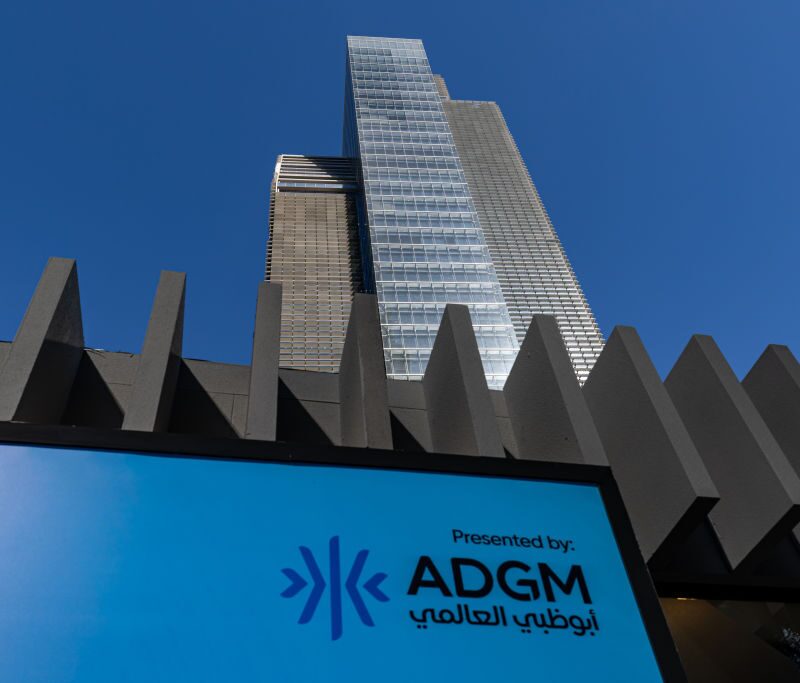
Abu Dhabi’s ADNOC has distinguished itself by using its tanker fleet to shuttle crude through the Strait of Hormuz, helping Iraq and Kuwait export their oil amid attacks from Iran and the Houthis, the chief of a marine intelligence company said.
“A lot of people are afraid to do that,” said Ami Daniel, co-founder and CEO of Windward. He said the tankers owned by ADNOC, the Abu Dhabi-owned energy company, were using a southern route through the strait.
Daniel spoke on the Invested podcast with Michael Eisenberg, co-founder and general partner of Israeli venture capital firm Aleph, an early investor in Windward. The company, headquartered in London with an Israeli office in Tel Aviv, uses AI and satellite data to track ships and cargo.
Daily rates for the largest crude tankers have climbed to about 15 times prewar levels, Daniel said. “I’ve seen rates as high as a million bucks a day,” he said. Before the war, a tanker carrying up to 2 million barrels of crude could earn about $60,000 a day.
Daniel said ship location signals around the Gulf had fallen 83% as crews sought to avoid giving away their positions. “So that really has hindered the world’s ability to understand what’s happening in exports.”
Using satellite data, Windward estimated that about 90 million more barrels left the region over 12 days than public figures showed, Daniel said. Some Saudi tankers bound for Asia from the Red Sea port of Yanbu were sailing north through the Suez Canal, then across the Mediterranean and around Africa to avoid Houthi attacks in the southern Red Sea, adding about 35 days to the voyage, he said.
Daniel noted that U.S. forces have helped keep some Gulf oil flowing, even as Iran widened its attacks to waters off Kuwait, Iraq and the UAE port of Fujairah. Still, he said, “This is not solvable in a military way.”