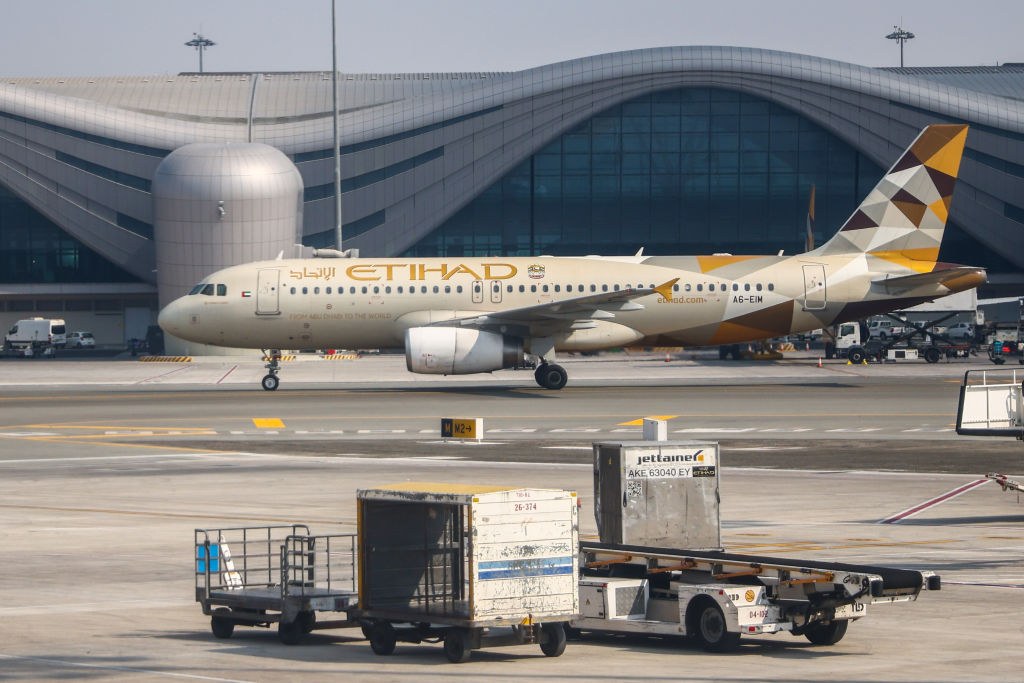
The impact of war with Iran is spreading far beyond oil markets and shipping lanes, forcing companies, conference organizers and sports federations to cancel deals and major international events across the Middle East.
Australian infrastructure giant Macquarie withdrew from bidding for a stake in Kuwait’s oil pipeline network in a deal valued at some $7 billion, Reuters reports. The project was intended to bring private capital into Kuwait’s energy infrastructure, but the conflict and the closure of the Strait of Hormuz have sharply raised the risk profile for Gulf oil assets.
Macquarie’s withdrawal is one of the first major examples of an international investor walking away from a Gulf transaction because of the war. Kuwait Petroleum Corp., which launched the pipeline sale shortly before Iranian strikes hit Gulf cities, is still seeking bids from other investors, though the conflict has already forced it to declare force majeure and reduce output.
The shock waves are also affecting the region’s conference industry. Organizers of major international gatherings in the Gulf are reassessing schedules as travel disruptions and security concerns mount, with some large events being postponed or shifted while others warn that further delays are possible if the conflict drags on.
Among the events affected is the World Petroleum Congress, one of the energy industry’s most important gatherings, which organizers said will be postponed because of the ongoing Middle East crisis. Arabian Travel Market, a flagship global travel trade show scheduled for May in Dubai,has been pushed back to August at the Dubai World Trade Centre as organizers try to ensure international participation and safety for exhibitors and visitors.
Major sporting events have also been caught in the turmoil. UEFA and CONMEBOL confirmed that the 2026 Finalissima between Spain and Argentina, scheduled for March 27 in Qatar, has been cancelled after organizers concluded that the regional security situation and travel disruptions made the match impossible to stage.
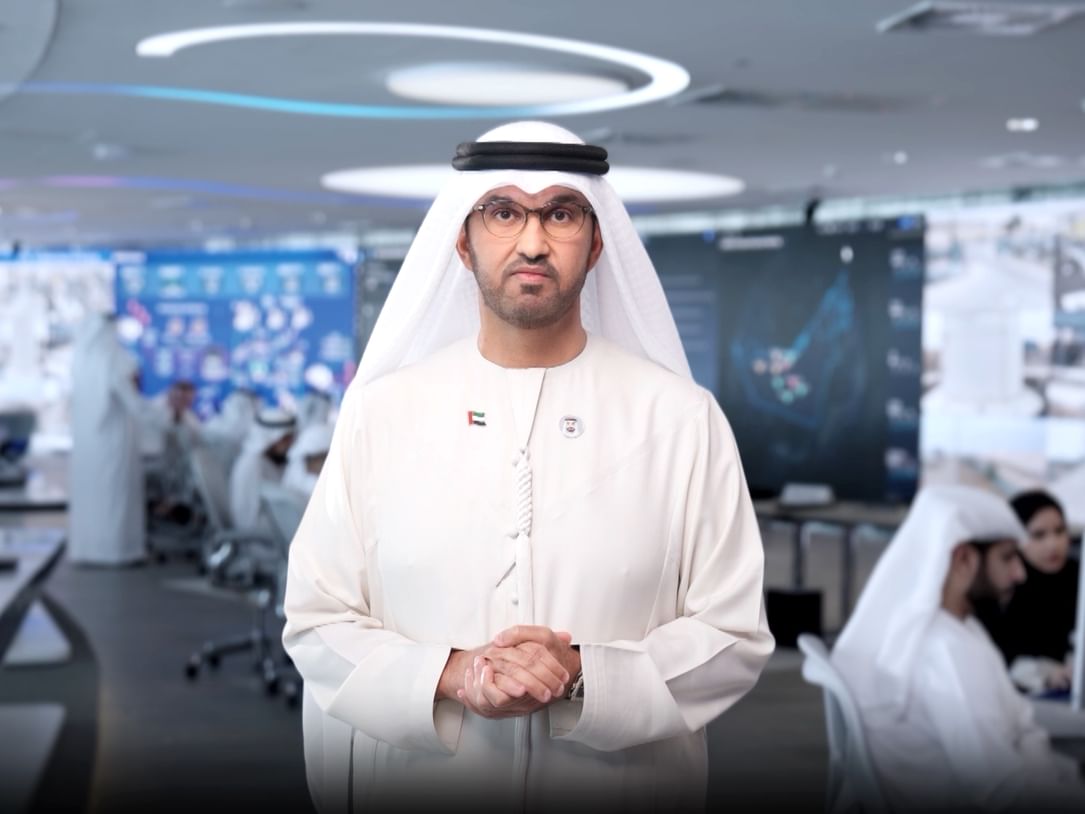
Dr. Sultan Al Jaber, the UAE’s Minister of Industry and Advanced Technology and CEO of ADNOC, meanwhile, said Iran’s actions represent a broader threat to regional stability that goes beyond a conventional military confrontation. “This is not a military exchange. This is an attack on a peaceful nation, a nation that has been working diligently and very hard for diplomacy,” Al Jaber told The Wall Street Journal.
Yousef Al Otaiba, the UAE’s ambassador to the U.S., said the conflict with Iran is testing the resilience of international partnerships as governments coordinate responses to the regional instability. “The international community sent a clear message – it will not tolerate attacks on our sovereignty,” Al Otaiba said in a statement posted by the UAE Embassy.




















 Add The Circuit on Google