









Home
Features
Quick Hits
The Daily Circuit
About
Facebook
Twitter
Instagram
Subscribe
SIGN IN
Features Quick Hits The Daily Circuit SWFs Org Charts
Facebook
Twitter
Instagram
Subscribe
SIGN IN
Search

Quick Hits

security concerns

Mideast conflict stokes Gulf investment in defense, energy

The Daily Circuit: Gulf invests in defense + Lucid gets $750M

CLOUDY FORECAST

IMF cuts MENA growth outlook as war disrupts trade, energy

slow recovery

UAE tourism urged to ‘reinvent itself’ as war hits visitor numbers

pied-à-terre

Gulf expats shop for second homes, safe haven in Europe

The Daily Circuit: KBM meets Xi in Beijing + OPEC production slide

TROUBLED Brands

Slow Dubai mall sales threaten luxury shopping recovery

Alternate route

Saudi Arabia repairs East-West oil pipeline after war damage

The Daily Circuit: Saudi pipeline patched up + Etihad’s China expansion

SKIN IN THE GAME

China’s Iran support restrained by investments in Middle East

war toll

Saudi Aramco-TotalEnergies refinery damaged in Iran attack

The Daily Circuit: Aramco-TotalEnergies refinery hit earlier this week

bulking up

Mubadala’s assets under management grow 17% to $385B

perilous passage

ADNOC’s Al Jaber says Strait must open with ‘no strings attached’

The Daily Circuit: ADNOC’s Al Jaber says Strait must open + Mubadala asset growth

The Daily Circuit: Markets surge on fragile truce + Shippers eye Hormuz

Ticking clock

Gulf braces for violent night as Trump deadline on Iran looms

up stream

Abu Dhabi-backed Banijay aims to challenge streaming titans

The Daily Circuit: Gulf braces for Trump deadline + PIF war costs

hollywood billions

Paramount Skydance seeks $24B from Gulf funds to buy Warner

Quick Hits

FERTILIZER CRISIS

Iran crisis sparks farm chemical crunch, threatening food supplies

The Middle East is the source of some 45% of global urea supplies used in making chemical fertilizers, which cannot be stored for long periods

Jc Milhet / Hans Lucas / AFP via Getty Images

Ground-mounted pesticide and fertilizer sprayer

By
Omnia Al Desoukie
March 11, 2026
Share
Facebook
Twitter
Email
Add The Circuit on Google

It’s not just oil. War with Iran is also making a range of chemicals critical for food production more expensive, including fertilizer components like urea and ammonia, Bloomberg reports.

The Middle East is the source of some 45% of the global urea supplies, which cannot be stored for long periods.

That means logistical disruptions such as the shutdown of the Strait of Hormuz can quickly tighten the market and send prices soaring.

Western sanctions have curtailed imports of Russian fertilizers, while China has imposed export restrictions to protect domestic demand and support its farming sector, the news agency said. 

Read More
METROPOLITAN OASIS

Saudi Arabia gets $3.8B foreign investment for King Salman Park

More than 1 million trees will be planted in the massive Riyadh project, which will also contain offices, homes, hotels, schools and shopping centers

Maya Anwar/Bloomberg via Getty Images

The King Salman Park construction site in Riyadh

By
Omnia Al Desoukie
March 11, 2026
Share
Facebook
Twitter
Email
Add The Circuit on Google

Saudi Arabia’s ambition to build the world’s biggest urban park has received a $3.8 billion vote of confidence from foreign investors.

The King Salman Park Foundation said on Tuesday that the new funds raise the total investment in the Riyadh mega-project to more than $5.3 billion.

The development, launched in 2019 under Saudi Crown Prince Mohammed bin Salman’s Vision 2030 economic overhaul plan, calls for construction of offices, homes, hotels, schools and shopping centers within the 17 square-kilometer (6.6 square-mile) metropolitan oasis, along with the planting of more than 1 million trees.

“Securing investment of this scale, supported by international capital and expertise, is an important milestone,” the foundation’s CEO George Tanasijevich said. 

Read More
GULF BOTTLENECK

Strait of Hormuz traffic plummets amid fears of new Iranian attacks

Many of the ships are idling near the narrow waterway, while 2,474 vessels, including 178 oil tankers, have remained in Gulf waters since March 5

Giuseppe CACACE / AFP via Getty Images

Cargo ships and tankers in the Strait of Hormuz off the UAE's coastal city of Fujairah

By
Omnia Al Desoukie
March 10, 2026
Share
Facebook
Twitter
Email
Add The Circuit on Google

About 1,000 vessels carrying roughly 20,000 crew members are unable to pass through the Strait of Hormuz amid fears of Iranian attacks, cutting traffic by nearly 90%.

The International Maritime Organization says many of the ships are idling near the narrow waterway, while 2,474 vessels, including 178 oil tankers, have remained in the Gulf waters since March 5.

IMO Secretary-General Arsenio Dominguez expressed “grave concern” after recent attacks killed at least seven seafarers and called on operators to exercise “maximum caution.”

Roughly 20% of the world’s oil is transported through the Strait of Hormuz.

Read More
'catastrophic consequences'

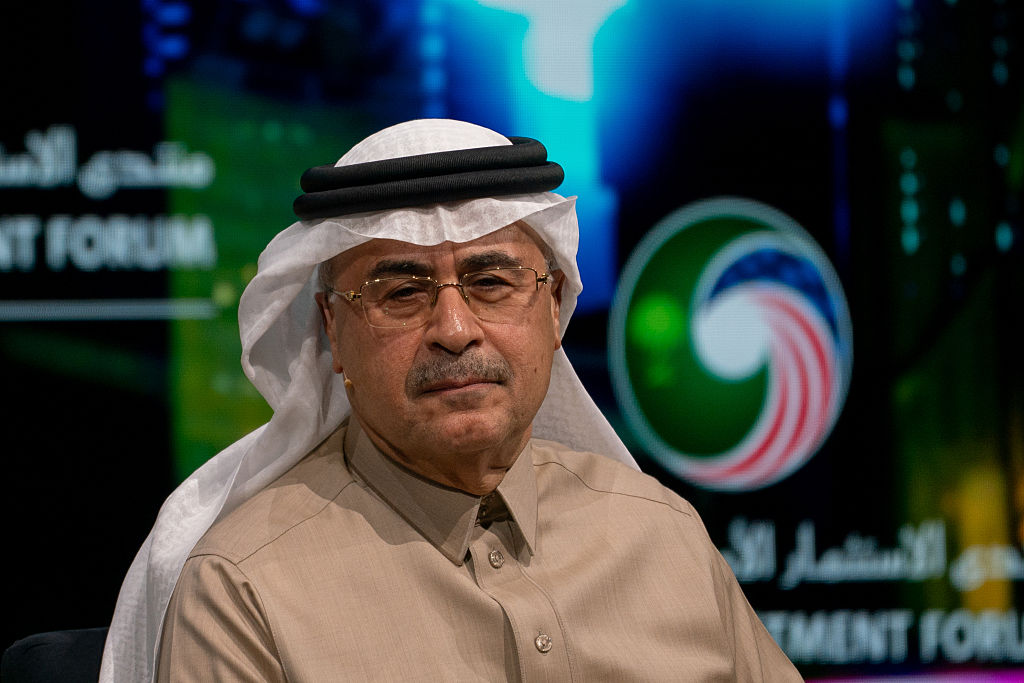
Aramco CEO sounds alarm on impact of Iran conflict for oil

To protect its oil tankers, Aramco has stopped loading crude from Gulf terminals and is sending shipments by pipeline to the Red Sea port of Yanbu

Stefani Reynolds / Bloomberg via Getty Images

Saudi Aramco CEO Amin Nasser

By
Jonathan H. Ferziger
March 10, 2026
Share
Facebook
Twitter
Email
Add The Circuit on Google

Saudi Aramco CEO Amin Nasser warned that the global energy industry is headed for disaster if conflict with Iran continues and the Strait of Hormuz is shut down.

“There would be catastrophic consequences for the world’s oil markets,” Nasser told reporters on an earnings call today after Aramco reported a 12% drop in 2025 annual profit. “The longer the disruption goes on,” he said, “the more drastic the consequences for the global economy.”

To protect its oil tankers from the threat of Iranian attacks, Aramco has stopped loading crude from Gulf terminals and is redirecting shipments through its East-West pipeline to the Red Sea port of Yanbu, Reuters reports.

The conflict briefly pushed Brent crude to a near four-year high of $120 a barrel on Monday before retreating to $85 today – which is up from $66 in mid-February. Insurers, shipping companies and airlines are making contingency plans for wider disruptions to global supply chains.

Iranian leaders have said no oil will leave the Middle East if U.S. and Israeli attacks continue, prompting a warning ‌from President Donald Trump that the U.S. would hit Iran ⁠much harder if it continues to block exports through Hormuz.

Read More
Gulf gridlock

Oil prices approach 4-year high as Iran conflict stymies shipping

War risk could leave businesses worldwide facing months of higher fuel prices, as suppliers grapple with damaged facilities and disrupted logistics

Stringer/Anadolu via Getty Images)

A commercial ship anchored in the Strait of Hormuz off the coast of the UAE

By
Jonathan H. Ferziger
March 9, 2026
Share
Facebook
Twitter
Email
Add The Circuit on Google

Saudi Arabia, the UAE, Qatar and other energy producers are raising prices to the highest levels since 2022 as the expanding conflict with Iran rattles global energy markets and disrupts shipping routes in the Gulf.

Brent crude surged during trading to around $119 a barrel, its highest level since mid-2022, amid growing fears that supplies from the Middle East could be cut off.

Natural-gas markets are also tightening as producers halt operations and traders scramble to secure alternative supplies.

The war could leave consumers and businesses worldwide facing months of higher fuel prices even if the conflict ends quickly, as suppliers grapple with damaged facilities, disrupted logistics and elevated risks to shipping, Reuters reports.

The U.S., France and other major consuming countries are discussing releasing strategic reserves while energy companies reassess shipments as the Strait of Hormuz – a key route for global oil and LNG – is effectively shut to normal traffic.

The turmoil is already spreading across global markets, forcing airlines, shipping firms and manufacturers to prepare for prolonged energy disruptions.

Read More
AUTO ACCESS

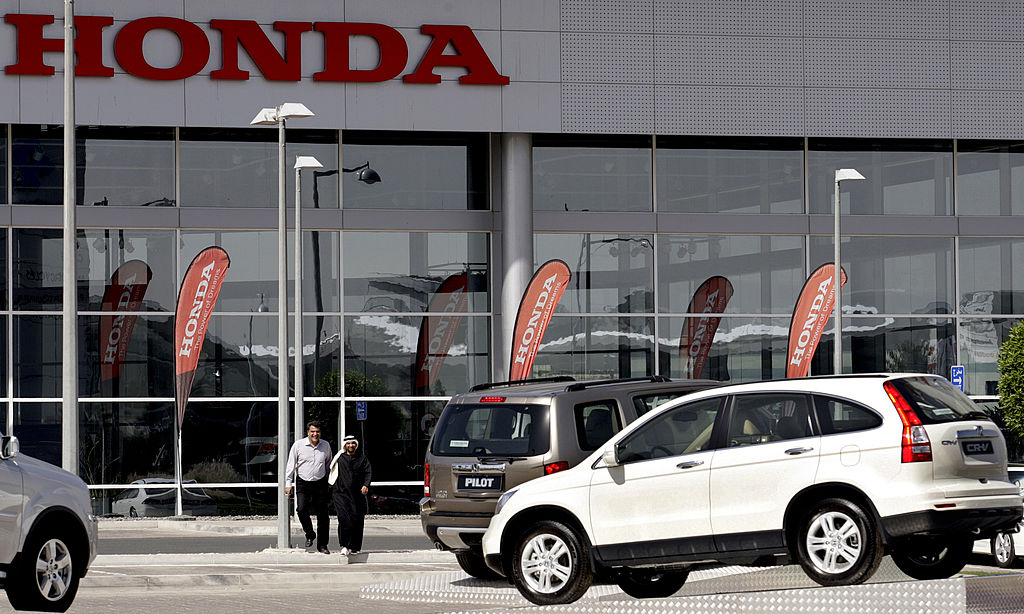
UAE-Japan trade pact aimed at boosting Japanese car exports

The UAE agreed to lift duties on many cars from Japan within seven years, easing costs for manufacturers such as Toyota, Nissan and Honda

AFP via Getty Images

A Honda showroom in Dubai

By
Jonathan H. Ferziger
March 9, 2026
Share
Facebook
Twitter
Email
Add The Circuit on Google

The trade pact negotiated last week by the UAE and Japan should strengthen Japanese auto exports by gradually removing tariffs.

The agreement calls for the UAE to eliminate duties on many finished cars from Japan within seven years, easing costs for manufacturers such as Toyota, Nissan and Honda, Nippon reports.

Japanese officials say the deal will help their companies compete more effectively with South Korean automakers, whose country already has a similar trade agreement with the UAE spaced over 10 years.

The UAE has become Japan’s biggest trading partner in the Middle East and Africa, making the Gulf market increasingly important for Japanese car exports.

Read More
HORSE haven

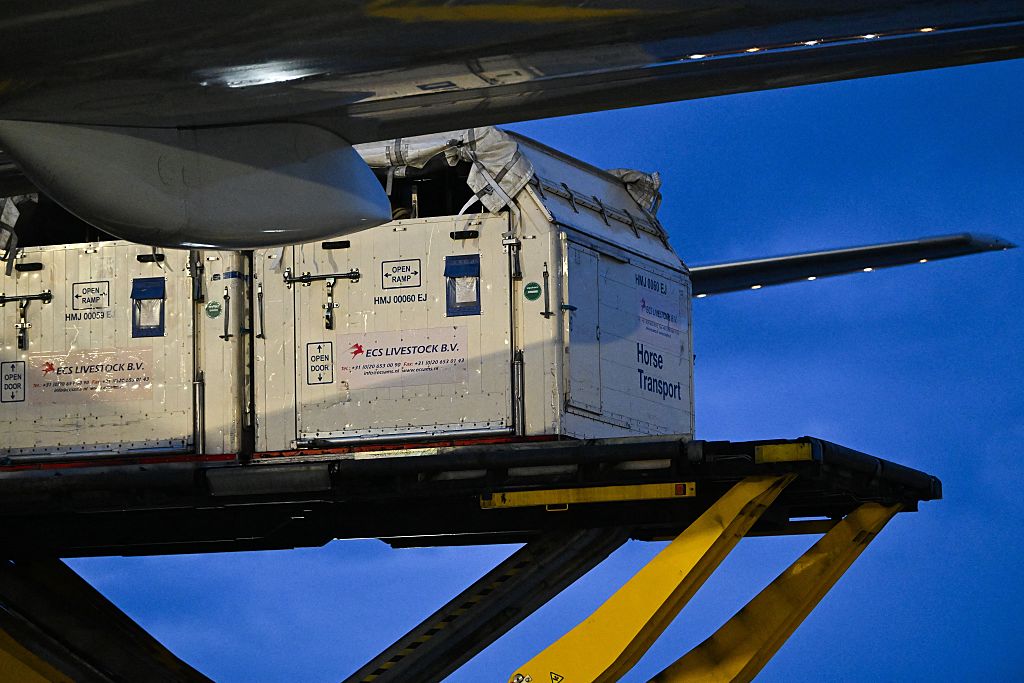
Qatar airlifts throughbreds to Belgian refuge amid Iran conflict

The Belgian facility is a hub for moving high-value sport horses for the Olympics and major tournaments, often in response to geopolitical crises

JILL DELSAUX / BELGA MAG / Belga / AFP via Getty Images

Horses in boxes are unloaded from the plane upon their arrival at Liege airport

By
Omnia Al Desoukie
March 9, 2026
Share
Facebook
Twitter
Email
Add The Circuit on Google

Qatar transported 75 competition horses and their grooms for safe refuge in Belgium after cancellation of the Longines Global Champions Tour of Doha due to the Iran conflict.

Another 63 horses are scheduled to make the crossing from Qatar to the “Horse Inn” in Liege, Belgium, this week, Equnews reports.

The Belgian facility is a hub for moving high-value sport horses for the Olympics and major tournaments, often in response to geopolitical crises.

Meanwhile, leading European trainers and owners say they will delay decisions on sending horses to the $30 million Dubai World Cup meeting, watching security developments in the Middle East before committing runners to the March 28 event, TDN reports.

Read More
ESCAPE ROUTE

Oman’s airport turns into key evacuation hub for private jets

Etihad Airways, Emirates, flydubai and Air Arabia have begun restoring parts of their networks with reduced schedules as restrictions ease

Fabrizio Gandolfo/SOPA Images/LightRocket via Getty Images

Oman Air planes parked at Muscat International Airport

By
Omnia Al Desoukie
March 6, 2026
Share
Facebook
Twitter
Email
Add The Circuit on Google

Muscat International Airport has turned into a key evacuation hub from the Iran conflict for wealthy Gulf travelers, with a surge in business-jet departures.

Since Feb. 28, more than 90 private jets have departed from the normally quiet Omani airport, Bloomberg reports.

Private jet broker LunaJets received over 800 evacuation requests in 24 hours amid regional panic, arranging two large group flights from Muscat.

Meanwhile, Etihad Airways, Emirates, flydubai and Air Arabia have begun restoring parts of their networks with reduced schedules as regional airspace restrictions ease, warning passengers that some journeys may take longer due to rerouted flight paths.

Read More

Posts pagination

Prev 1 2 3 4 5 6 7 8 9 10 … 122 Next
Navigation
Home
Features
Quick Hits
The Daily Circuit
Org Charts
About
Social
Facebook
Twitter
Instagram
Subscribe
Subscribe

Copyright © 2025 · All Rights Reserved · The Circuit

Sign into your account

Email me a link to sign in

I don't have an account

Sign in or subscribe to continue to read this article

Enter your email and create a password to gain access to our exclusive content

Already a subscriber? Sign in

Unlock full access
Become a premium subscriber

Don't miss out! A paid subscription is required to access this page