













Home
Features
Quick Hits
The Daily Circuit
About
Facebook
Twitter
Instagram
Subscribe
SIGN IN
Features Quick Hits The Daily Circuit SWFs Org Charts
Facebook
Twitter
Instagram
Subscribe
SIGN IN
Search

Quick Hits

corporate finance

Goldman, HSBC and Fortress back Saudi private credit deal

deep pockets

Blackstone opens Dubai office to advise wealthy Gulf investors

The Daily Circuit: Blackstone courts Dubai wealthy + FAB’s $4B rights issue

The Daily Circuit: ADNOC ship attacked + DIP jumps on debut

under fire

ADNOC ship attacked as gas unit weighs Hormuz bypass terminal

CASH QUEST

Saudi PIF explores new funding options as war strains finances

foiled again

Iran war derails Emirates chief Tim Clark’s retirement plans

under fire

Riyadh business moves to Zoom amid Houthi missile attacks

The Daily Circuit: Saudi business moves to Zoom + Lucid’s PIF lifeline

The Daily Circuit: GCC gets on track + attack on Aramco tower

crossing borders

Gulf states sign agreement setting up railway from Kuwait to Oman

shattered glass

Houthi attack damages Aramco tower in Riyadh financial district

The Daily Circuit: LIV Golf calls it quits + JPMorgan index adds Saudi debt

It's over

LIV Golf to shut down, liquidate assets after final deal collapses

Emirates announced several promotions among senior management. (Photo: Getty Images)

empty seats

Emirates first-half profit plunges 66% as war disrupts Gulf flights

The Daily Circuit: Emirates profit plunges + LIV Golf may liquidate

final round

LIV Golf faces liquidation after BC Partners scraps investment

costly crossings

ADNOC fleet becomes lifeline for Iraq, Kuwait oil through Hormuz

The Daily Circuit: XRG’s Australian gas deal + PIF raises $3 billion

playing it safe

Saudi hosting of Asian Cup postponed after Houthi attacks

Quick Hits

OIL SAGA

Energy agency weighs record oil release as Iran tensions mount

Saudi pipelines that bypass the Strait of Hormuz to reach export terminals on the Red Sea can help keep oil moving if shipping disruptions worsen

Nicolas TUCAT / AFP via Getty Images

International Energy Agency Executive Director Fatih Birol

By
Jonathan H. Ferziger
March 11, 2026
Share
Facebook
Twitter
Email
Add The Circuit on Google

Governments around the world are scrambling to contain the escalating shock to energy markets from the Iran war, with oil traders tracking disruptions to Gulf exports and tanker traffic as officials weigh emergency measures to stabilize supplies.

Officials from the International Energy Agency are discussing what could be the largest coordinated release of strategic oil reserves in history – about 300 million to 400 million barrels – far exceeding the 182 million barrels released in 2022 after Russia’s invasion of Ukraine, Bloomberg reports.

Saudi Arabia, the UAE and other Gulf producers are assessing how much crude they can continue exporting as tanker insurers and shipping companies review the risks of operating in the region.

Many cargoes have been delayed and freight rates for vessels willing to enter the Gulf have surged as the conflict intensifies.

At the same time, officials are studying whether alternative routes – including Saudi pipelines that bypass the Strait of Hormuz and export terminals on the Red Sea – can help keep oil moving if shipping disruptions worsen, The Wall Street Journal reports.

The U.S. and its allies are also discussing naval measures to safeguard commercial traffic through the Gulf.

Energy traders say the combination of possible supply outages, tanker disruptions and a record emergency stockpile release has turned the oil market into a day-to-day calculation of how quickly governments can offset the barrels at risk from the conflict.

Read More
FERTILIZER CRISIS

Iran crisis sparks farm chemical crunch, threatening food supplies

The Middle East is the source of some 45% of global urea supplies used in making chemical fertilizers, which cannot be stored for long periods

Jc Milhet / Hans Lucas / AFP via Getty Images

Ground-mounted pesticide and fertilizer sprayer

By
Omnia Al Desoukie
March 11, 2026
Share
Facebook
Twitter
Email
Add The Circuit on Google

It’s not just oil. War with Iran is also making a range of chemicals critical for food production more expensive, including fertilizer components like urea and ammonia, Bloomberg reports.

The Middle East is the source of some 45% of the global urea supplies, which cannot be stored for long periods.

That means logistical disruptions such as the shutdown of the Strait of Hormuz can quickly tighten the market and send prices soaring.

Western sanctions have curtailed imports of Russian fertilizers, while China has imposed export restrictions to protect domestic demand and support its farming sector, the news agency said. 

Read More
METROPOLITAN OASIS

Saudi Arabia gets $3.8B foreign investment for King Salman Park

More than 1 million trees will be planted in the massive Riyadh project, which will also contain offices, homes, hotels, schools and shopping centers

Maya Anwar/Bloomberg via Getty Images

The King Salman Park construction site in Riyadh

By
Omnia Al Desoukie
March 11, 2026
Share
Facebook
Twitter
Email
Add The Circuit on Google

Saudi Arabia’s ambition to build the world’s biggest urban park has received a $3.8 billion vote of confidence from foreign investors.

The King Salman Park Foundation said on Tuesday that the new funds raise the total investment in the Riyadh mega-project to more than $5.3 billion.

The development, launched in 2019 under Saudi Crown Prince Mohammed bin Salman’s Vision 2030 economic overhaul plan, calls for construction of offices, homes, hotels, schools and shopping centers within the 17 square-kilometer (6.6 square-mile) metropolitan oasis, along with the planting of more than 1 million trees.

“Securing investment of this scale, supported by international capital and expertise, is an important milestone,” the foundation’s CEO George Tanasijevich said. 

Read More
GULF BOTTLENECK

Strait of Hormuz traffic plummets amid fears of new Iranian attacks

Many of the ships are idling near the narrow waterway, while 2,474 vessels, including 178 oil tankers, have remained in Gulf waters since March 5

Giuseppe CACACE / AFP via Getty Images

Cargo ships and tankers in the Strait of Hormuz off the UAE's coastal city of Fujairah

By
Omnia Al Desoukie
March 10, 2026
Share
Facebook
Twitter
Email
Add The Circuit on Google

About 1,000 vessels carrying roughly 20,000 crew members are unable to pass through the Strait of Hormuz amid fears of Iranian attacks, cutting traffic by nearly 90%.

The International Maritime Organization says many of the ships are idling near the narrow waterway, while 2,474 vessels, including 178 oil tankers, have remained in the Gulf waters since March 5.

IMO Secretary-General Arsenio Dominguez expressed “grave concern” after recent attacks killed at least seven seafarers and called on operators to exercise “maximum caution.”

Roughly 20% of the world’s oil is transported through the Strait of Hormuz.

Read More
'catastrophic consequences'

Aramco CEO sounds alarm on impact of Iran conflict for oil

To protect its oil tankers, Aramco has stopped loading crude from Gulf terminals and is sending shipments by pipeline to the Red Sea port of Yanbu

Stefani Reynolds / Bloomberg via Getty Images

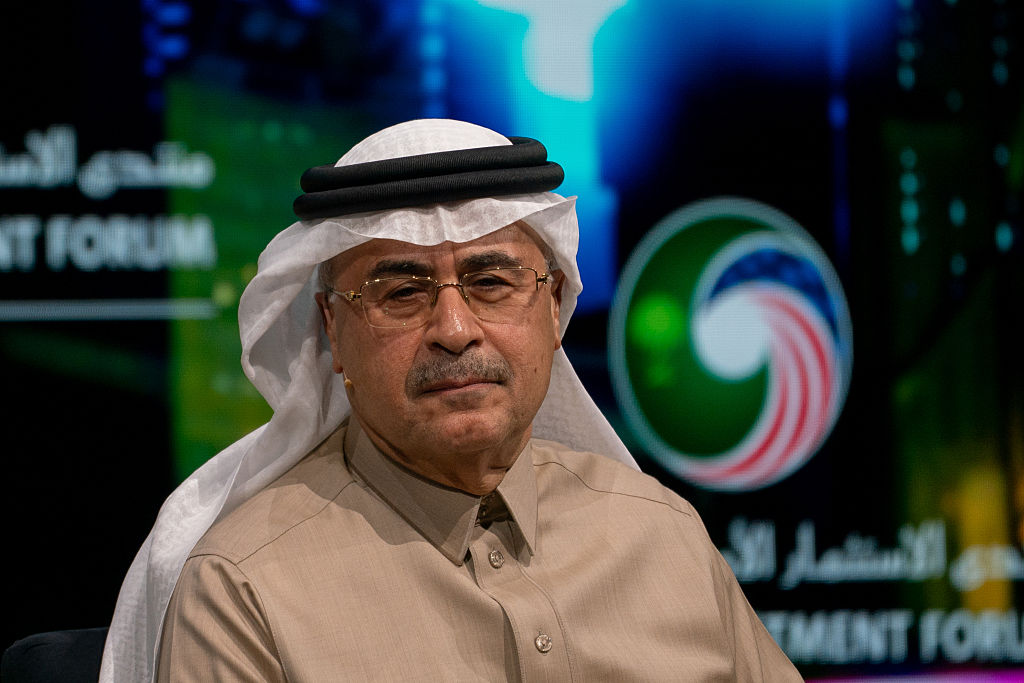
Saudi Aramco CEO Amin Nasser

By
Jonathan H. Ferziger
March 10, 2026
Share
Facebook
Twitter
Email
Add The Circuit on Google

Saudi Aramco CEO Amin Nasser warned that the global energy industry is headed for disaster if conflict with Iran continues and the Strait of Hormuz is shut down.

“There would be catastrophic consequences for the world’s oil markets,” Nasser told reporters on an earnings call today after Aramco reported a 12% drop in 2025 annual profit. “The longer the disruption goes on,” he said, “the more drastic the consequences for the global economy.”

To protect its oil tankers from the threat of Iranian attacks, Aramco has stopped loading crude from Gulf terminals and is redirecting shipments through its East-West pipeline to the Red Sea port of Yanbu, Reuters reports.

The conflict briefly pushed Brent crude to a near four-year high of $120 a barrel on Monday before retreating to $85 today – which is up from $66 in mid-February. Insurers, shipping companies and airlines are making contingency plans for wider disruptions to global supply chains.

Iranian leaders have said no oil will leave the Middle East if U.S. and Israeli attacks continue, prompting a warning ‌from President Donald Trump that the U.S. would hit Iran ⁠much harder if it continues to block exports through Hormuz.

Read More
Gulf gridlock

Oil prices approach 4-year high as Iran conflict stymies shipping

War risk could leave businesses worldwide facing months of higher fuel prices, as suppliers grapple with damaged facilities and disrupted logistics

Stringer/Anadolu via Getty Images)

A commercial ship anchored in the Strait of Hormuz off the coast of the UAE

By
Jonathan H. Ferziger
March 9, 2026
Share
Facebook
Twitter
Email
Add The Circuit on Google

Saudi Arabia, the UAE, Qatar and other energy producers are raising prices to the highest levels since 2022 as the expanding conflict with Iran rattles global energy markets and disrupts shipping routes in the Gulf.

Brent crude surged during trading to around $119 a barrel, its highest level since mid-2022, amid growing fears that supplies from the Middle East could be cut off.

Natural-gas markets are also tightening as producers halt operations and traders scramble to secure alternative supplies.

The war could leave consumers and businesses worldwide facing months of higher fuel prices even if the conflict ends quickly, as suppliers grapple with damaged facilities, disrupted logistics and elevated risks to shipping, Reuters reports.

The U.S., France and other major consuming countries are discussing releasing strategic reserves while energy companies reassess shipments as the Strait of Hormuz – a key route for global oil and LNG – is effectively shut to normal traffic.

The turmoil is already spreading across global markets, forcing airlines, shipping firms and manufacturers to prepare for prolonged energy disruptions.

Read More
AUTO ACCESS

UAE-Japan trade pact aimed at boosting Japanese car exports

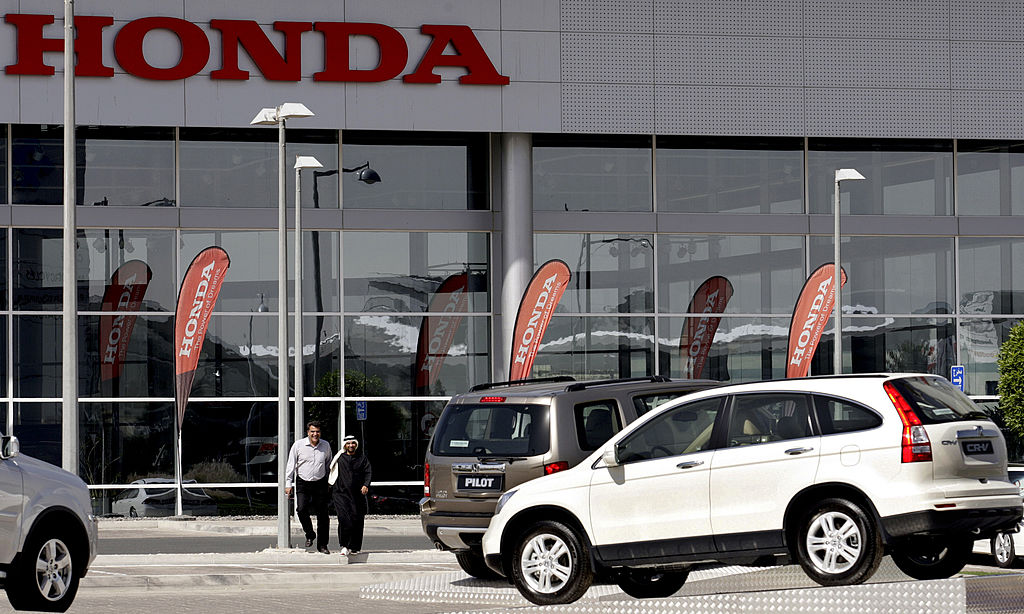
The UAE agreed to lift duties on many cars from Japan within seven years, easing costs for manufacturers such as Toyota, Nissan and Honda

AFP via Getty Images

A Honda showroom in Dubai

By
Jonathan H. Ferziger
March 9, 2026
Share
Facebook
Twitter
Email
Add The Circuit on Google

The trade pact negotiated last week by the UAE and Japan should strengthen Japanese auto exports by gradually removing tariffs.

The agreement calls for the UAE to eliminate duties on many finished cars from Japan within seven years, easing costs for manufacturers such as Toyota, Nissan and Honda, Nippon reports.

Japanese officials say the deal will help their companies compete more effectively with South Korean automakers, whose country already has a similar trade agreement with the UAE spaced over 10 years.

The UAE has become Japan’s biggest trading partner in the Middle East and Africa, making the Gulf market increasingly important for Japanese car exports.

Read More
HORSE haven

Qatar airlifts throughbreds to Belgian refuge amid Iran conflict

The Belgian facility is a hub for moving high-value sport horses for the Olympics and major tournaments, often in response to geopolitical crises

JILL DELSAUX / BELGA MAG / Belga / AFP via Getty Images

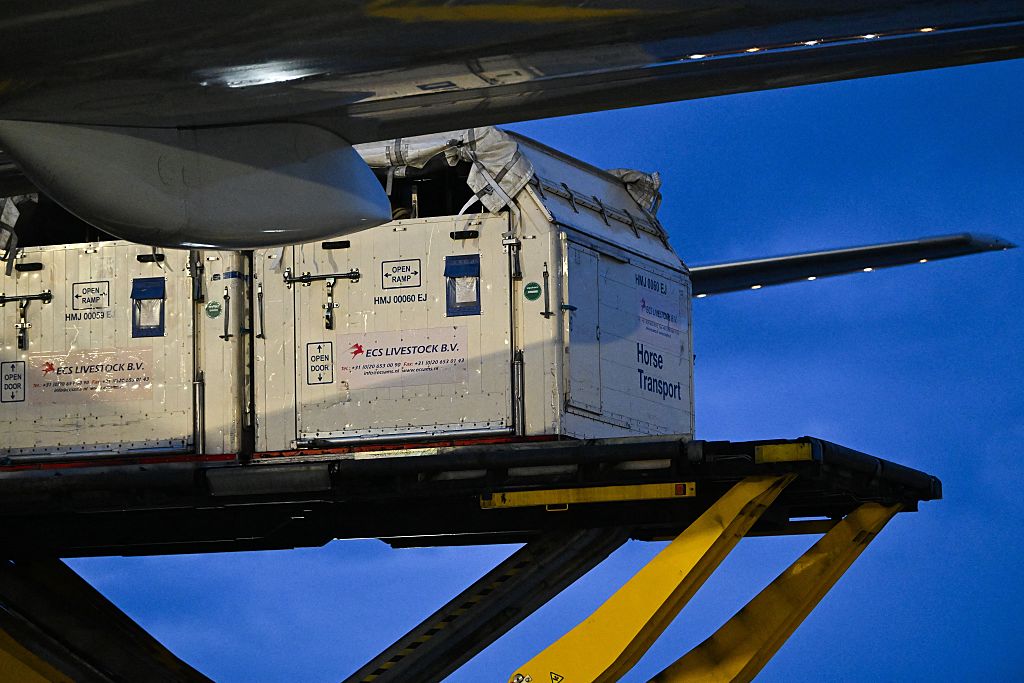
Horses in boxes are unloaded from the plane upon their arrival at Liege airport

By
Omnia Al Desoukie
March 9, 2026
Share
Facebook
Twitter
Email
Add The Circuit on Google

Qatar transported 75 competition horses and their grooms for safe refuge in Belgium after cancellation of the Longines Global Champions Tour of Doha due to the Iran conflict.

Another 63 horses are scheduled to make the crossing from Qatar to the “Horse Inn” in Liege, Belgium, this week, Equnews reports.

The Belgian facility is a hub for moving high-value sport horses for the Olympics and major tournaments, often in response to geopolitical crises.

Meanwhile, leading European trainers and owners say they will delay decisions on sending horses to the $30 million Dubai World Cup meeting, watching security developments in the Middle East before committing runners to the March 28 event, TDN reports.

Read More

Posts pagination

Prev 1 … 37 38 39 40 41 42 43 44 45 … 157 Next
Navigation
Home
Features
Quick Hits
The Daily Circuit
Org Charts
About
Social
Facebook
Twitter
Instagram
Subscribe
Subscribe

Copyright © 2025 · All Rights Reserved · The Circuit

Sign into your account

Email me a link to sign in

I don't have an account

Sign in or subscribe to continue to read this article

Enter your email and create a password to gain access to our exclusive content

Already a subscriber? Sign in

Unlock full access
Become a premium subscriber

Don't miss out! A paid subscription is required to access this page