














Home
Features
Quick Hits
The Daily Circuit
About
Facebook
Twitter
Instagram
Subscribe
SIGN IN
Features Quick Hits The Daily Circuit SWFs Org Charts
Facebook
Twitter
Instagram
Subscribe
SIGN IN
Search

Quick Hits

cargo competitors

Saudi PIF may create logistics giant to rival UAE’s DP World

The Daily Circuit: PIF mulls creating logistics giant + Qatar Airways cuts bonuses

DAMASCUS MOMENT

UAE accelerates investment in Syria, targeting trade corridors

butter & rolls

GCC, U.K. reach milestone trade agreement worth up to $5 billion

The Daily Circuit: Dr. Sultan talks AI infrastructure + GCC-British trade deal

electron edge

UAE boosting use of AI in physical world, Dr. Sultan Al Jaber says

cargo channel

Saudi Arabia launches Red Sea Express lane to bypass Hormuz

The Daily Circuit: Red Sea Express cargo channel + Riyadh Air’s July debut

TAKING FLIGHT

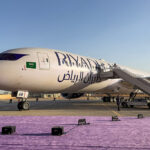
Riyadh Air to begin London flights July 1 with Boeing fleet

tech gateway

Vista looking for AI investments across Middle East, Smith says

Arabian EXPRESS

Dream of the Desert luxury train opens headquarters in Riyadh

island opening

Shura resort launches as Saudi megaprojects bow to budget gaps

The Daily Circuit: UAE bets on rooftop solar + Investcorp’s U.S. acquisition

under fire

Drone attack on UAE nuclear plant stokes escalation fears

TALENT WAR

UBS wealth unit sees senior banker departures in Middle East

getting by

Oman-UAE trade corridor will bypass blocked Strait of Hormuz

The Daily Circuit: UAE probes nuclear plant attack + Saudi green ammonia plant

OMAN IPO

Oman India Fertiliser Co. eyes $2.5B IPO amid price surge

HORMUZ BYPASS

UAE fast-tracks new oil pipeline to sidestep Strait of Hormuz risks

The Daily Circuit: ADNOC to fast-track new pipeline + Mubadala finances LNG

Quick Hits

STAYING PUT

UAE mulls relaxing tax residency rules to lure expats back post-war

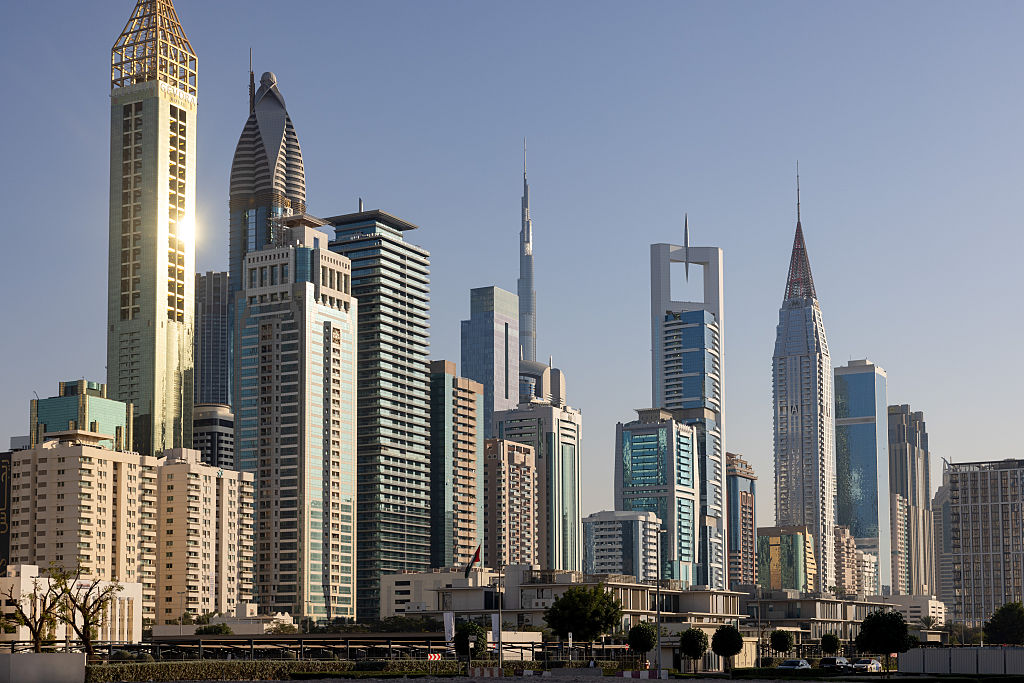
A change in enforcement could be especially significant for Dubai, which has attracted many high-net-worth individuals with its zero-tax appeal

Giuseppe CACACE / AFP via Getty Images

Dubai wants to see its expats come home after the war

By
Omnia Al Desoukie
March 18, 2026
Share
Facebook
Twitter
Email
Add The Circuit on Google

The UAE is considering action to ease tax residency rules for expats who left amid the Iran conflict.

Authorities may allow residents to spend longer periods abroad without losing their favorable tax status in an effort to encourage their return, The Financial Times reports.

The policy could be especially significant for Dubai, which has attracted high-net-worth individuals with its zero-tax appeal.

The adjustment reflects the UAE’s effort to protect its status as a global hub for mobile wealth and talent, the FT notes.

Read More
TROUBLEd waters

War-risk insurance costs surge for ships entering Strait of Hormuz

The insurance costs add another financial barrier for shipowners weighing whether to send vessels through the strait that allows access to the Gulf

Raju Shinde/Hindustan Times via Getty Images

The crude oil tanker Shenlong Suezmax docked at Mumbai Port after navigating the Strait of Hormuz

By
Jonathan H. Ferziger
March 17, 2026
Share
Facebook
Twitter
Email
Add The Circuit on Google

War-risk insurance premiums for ships crossing the Strait of Hormuz are still available, but they’ve climbed to record levels after Iran’s attacks on commercial vessels. 

Coverage now costs about 5% of a ship’s value, roughly five times higher than premiums charged earlier in the conflict, Bloomberg reports. For a tanker valued at $100 million, that rate implies an insurance bill of roughly $5 million for a single voyage.

The Strait of Hormuz normally carries about one-fifth of global oil shipments, making insurance coverage essential for tankers and other vessels transporting energy supplies from the Gulf.

The surge in insurance costs adds another financial barrier for shipowners weighing whether to send vessels through the strait that links the Gulf to global markets.

President Donald Trump has said the U.S. will make sure that ships are able to pass through Hormuz without saying exactly how. Details of a $20 billion reinsurance plan to help revive shipping are still unclear. 

Read More
DRUG DETOURS

Middle East airspace disruptions risk delaying critical medicines

Airlines are diverting aircraft around closed corridors over Iran and parts of the Gulf, adding hours to delivery times and complicating logistics

Beata Zawrzel/NurPhoto via Getty Images

An Etihad cargo plane

By
Jonathan H. Ferziger
March 17, 2026
Share
Facebook
Twitter
Email
Add The Circuit on Google

Disruptions to Middle East airspace are forcing pharmaceutical companies to reroute cargo flights carrying temperature-sensitive medicines, raising concerns about delays to shipments of treatments, including cancer drugs.

Airlines are diverting aircraft around closed corridors over Iran and parts of the Gulf, adding hours to delivery times and complicating cold-chain logistics, Reuters reports.

Industry executives say longer routes increase the risk of temperature fluctuations that can damage sensitive biologic medicines.

Companies are now shifting shipments through alternative hubs in Europe and Asia while monitoring supply risks if the conflict persists.

Read More
Smoky skyline

Iranian drone attack sparks blaze at Dubai International Airport

Drone and missile fire often keep aircraft circling DXB, damaging Mideast tourism worth $367 billion a year and sending air freight ​charges surging

AFP via Getty Images

A smoke plume rises from a fire near Dubai International Airport

By
Omnia Al Desoukie
March 16, 2026
Share
Facebook
Twitter
Email
Add The Circuit on Google

Just as Dubai International Airport sought to show that operations were returning to normal, an Iranian drone attack early today sparked a fuel tank fire that sent plumes of smoke billowing against the city skyline and forced renewed flight suspensions.

As the blaze flared for hours before being brought under control, authorities diverted aircraft to other airports in the UAE while road access around the airport was restricted. Emirates,  flydubai and other carriers reported that services were disrupted

The UAE, Saudi Arabia, Qatar and other Gulf states have faced more than ​2,000 missile and ⁠drone attacks since Feb. 28, with targets including key oil infrastructure, as well as office towers, hotels and residential neighborhoods.

Flights in the region are at about half their usual level, though their number has risen since the start of the war.

Drone and missile fire have regularly kept aircraft circling Dubai’s main airport – one of the world’s busiest – damaging Middle East tourism worth about $367 billion a year. Air freight ​rates have surged as much as 70% on some routes.

Meanwhile, economists say Qatar and Kuwait could see GDP contract by about 14% if the Strait of Hormuz remains shut for two months, while Saudi Arabia and the UAE would likely suffer declines of 3-5% Bloomberg reports. 

Gulf oil producers have lost an estimated $15 billion in energy revenues since Iran’s retaliation against U.S. and Israeli air strikes by disrupting shipments through the Strait of Hormuz, The Financial Times reports.

Read More
FORMULA STUN

Formula One cancels Bahrain, Saudi races over Iran conflict

Concern for the safety of teams, drivers and fans amid continued tensions across the region make it impossible to proceed, F1 officials said

Sona Maleterova/Getty Images)

A practice run in February at the Bahrain International Circuit

By
Jonathan H. Ferziger
March 16, 2026
Share
Facebook
Twitter
Email
Add The Circuit on Google

Formula One has canceled the Bahrain Grand Prix and Saudi Arabian Grand Prix scheduled for April because of the Iran conflict.

The decision removes two key Middle East races from the early part of the 2026 season. Officials said concern for the safety of teams, drivers and fans made it impossible to proceed.

Organizers are now assessing whether the races can be rescheduled later in the year if conditions improve.

“Bahrain and Saudi Arabia are incredibly important to the ecosystem of our racing season ​and I look forward to returning to ​both as soon as circumstances allow.” FIA president Mohammed Ben Sulayem said.

Read More
precious cargo

Air freight rates soar as Middle East conflict disrupts routes

Costs have jumped by as much as 70% as carriers reroute flights around closed airspace, deal with fuel surcharges and address war-risk insurance

AFP via Getty Images

An Emirates plane waiting for cargo to be loaded at Dubai International Airport

By
Jonathan H. Ferziger
March 13, 2026
Share
Facebook
Twitter
Email
Add The Circuit on Google

Air freight rates are surging as the Middle East conflict disrupts global trade routes, forcing companies to divert shipments from sea to air, and driving up transportation costs across the board.

Rates on some cargo routes have jumped by as much as 70% since the war began as airlines reroute flights around closed airspace, deal with fuel surcharges and navigate war-risk insurance costs, Reuters reports.

The disruption has hit shipments from South Asia to Europe particularly hard, including cargo such as generic medicines that are shifting from ocean freight to more expensive air transport.

The surge in costs is adding pressure across industries from electronics to food and pharmaceuticals, the news agency said.

Cargo capacity has also tightened as airlines reduce payloads and alter routes to avoid conflict zones in the Gulf, while operations at major hubs such as Dubai and Doha have been disrupted. The price for shipping goods from South Asia to Europe has climbed to about $4.37 per kilogram from $2.57 on some routes.

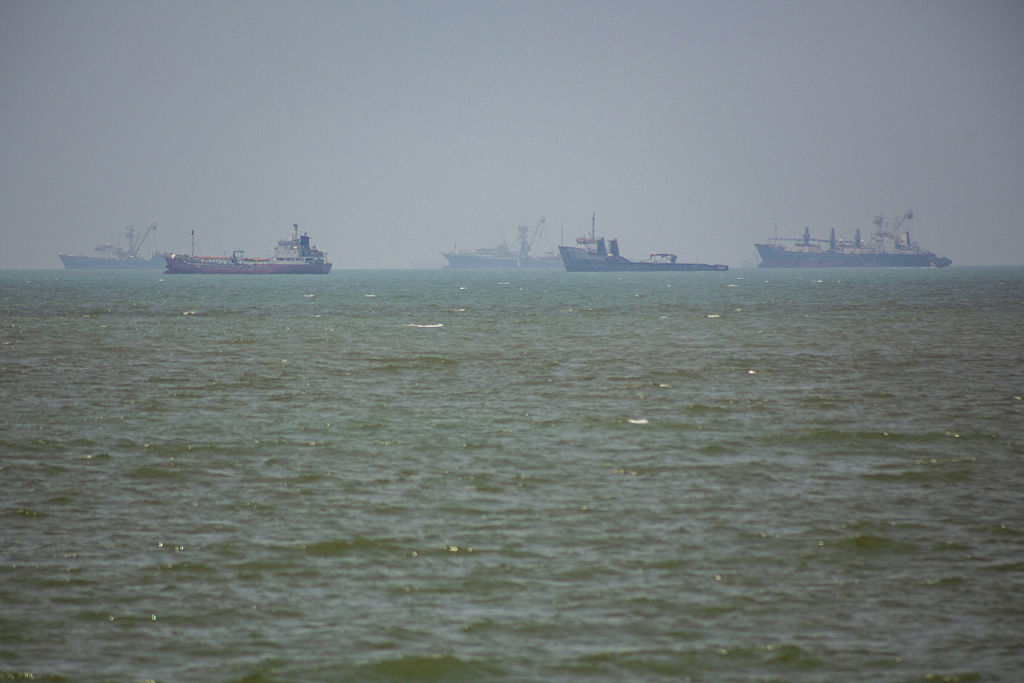
More than 100 container ships have been left stranded near the Strait of Hormuz amid maritime disruptions, forcing companies to scramble for alternative logistics channels. 

Saudi Arabia’s state shipping giant Bahri is booking additional tankers to help move crude exports around disrupted Gulf routes, with vessels heading from as far away as Singapore toward the Red Sea port of Yanbu to load Saudi oil, Bloomberg reports.

Read More
HELIUM SQUEEZE

World helium prices spike as Iran conflict disrupts Qatar processing

Qatar produces roughly one-third of the world’s helium, and the shutdown of some gas facilities and shipping routes has sharply reduced supply

Stringer/picture alliance via Getty Images

The LNG production facility in Qatar's Ras Laffan Industrial City

By
Omnia Al Desoukie
March 13, 2026
Share
Facebook
Twitter
Email
Add The Circuit on Google

Helium prices are surging after the Iran conflict disrupted Qatar’s natural-gas processing, exposing the fragility of a market that supplies industries from semiconductor manufacturing to medical imaging.

Qatar produces roughly one-third of the world’s helium, and the shutdown of some gas facilities and shipping routes has sharply reduced supply.

Spot helium prices have roughly doubled as buyers scramble to secure shipments, Reuters reports.

Qatari Energy Minister Saad al-Kaabi told the Financial Times last week that it would take “weeks to months” for deliveries to return ​to ​normal.

Read More
Trade shock

Gulf states review sovereign wealth funds amid Iran conflict

The reassessments could lead to delaying some overseas investments, reconsidering sponsorship commitments and selling state assets

Jeremy Suyker / Bloomberg via Getty Images

Looking out over Riyadh skyline

By
Jonathan H. Ferziger
March 12, 2026
Share
Facebook
Twitter
Email
Add The Circuit on Google

The financial shock from the Iran war, with its disruptions of oil shipping and global trade, is leading at least three Gulf states to review how their sovereign wealth funds are managing trillions of dollars in global investments.

The reassessments could lead to measures such as delaying some overseas investments, reassessing sponsorship commitments and potentially selling government assets in order to relieve pressure on their economies, Reuters reports, citing an unnamed Gulf official.

The individual sovereign funds were not identified by the news agency, which said three of the four largest economies in the Gulf – which are Saudi Arabia, the UAE, Qatar and Kuwait – were formally conducting the reviews.

Saudi Arabia’s Public Investment Fund, Abu Dhabi’s Mubadala, the Qatar Investment Authority and Kuwait Investment Authority are continuing to pursue international deals, while their governments decide whether spending priorities or the pace of investments should be adjusted as the crisis unfolds, Reuters said.

Meanwhile, Saudi Arabia’s $38 billion push to build a global video-game industry is facing new uncertainty as the Iran war raises security concerns that could deter foreign developers, investors and esports events the kingdom hopes to attract, Bloomberg reports.

The initiative, led by the PIF’s Savvy Games Group as part of the kingdom’s economic diversification strategy, depends heavily on international partnerships that could slow if regional instability persists.

Read More

Posts pagination

Prev 1 … 8 9 10 11 12 13 14 15 16 … 129 Next
Navigation
Home
Features
Quick Hits
The Daily Circuit
Org Charts
About
Social
Facebook
Twitter
Instagram
Subscribe
Subscribe

Copyright © 2025 · All Rights Reserved · The Circuit

Sign into your account

Email me a link to sign in

I don't have an account

Sign in or subscribe to continue to read this article

Enter your email and create a password to gain access to our exclusive content

Already a subscriber? Sign in

Unlock full access
Become a premium subscriber

Don't miss out! A paid subscription is required to access this page